Restaurant Guide

How to Get More Orders on Deliveroo

Boost Deliveroo orders with 10 proven strategies. Optimise your listing, use Marketer ads, master Deliveroo Plus, and climb UK restaurant rankings in 2026.

By Paolo Rosson· Founder, MenuPhotoAI|Updated February 20, 2026|23 min read

How to get more orders on Deliveroo

  1. Deliveroo’s algorithm prioritises prep time, ratings, and acceptance rate—optimise all three simultaneously for maximum ranking impact.
  2. Professional menu photography delivers a 20–30% order boost according to Deliveroo’s own data; having no photo is better than a poor-quality photo.
  3. Deliveroo Marketer campaigns generate an average 25% order increase—budget £100–£300/month and track ROI through the Restaurant Hub.
  4. Set your minimum order at or below £25 to capture Deliveroo Plus subscribers, including Amazon Prime members with free Plus Silver subscriptions.
  5. Virtual Brands can increase your order volume by 75% using your existing kitchen, with 84% of customers being entirely new to your restaurant.

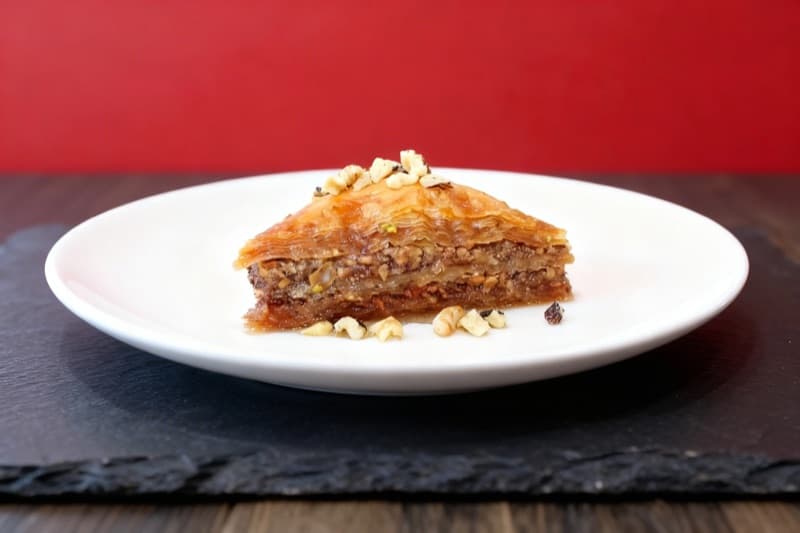
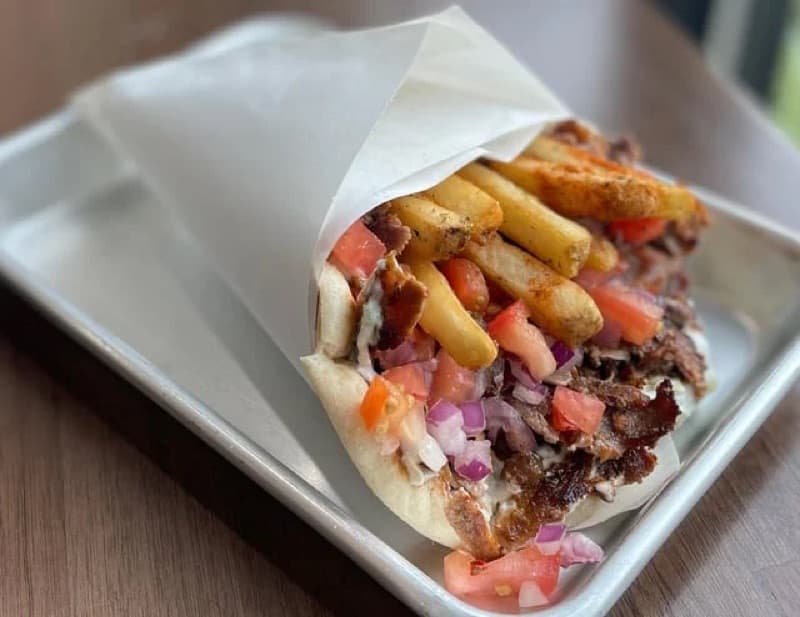
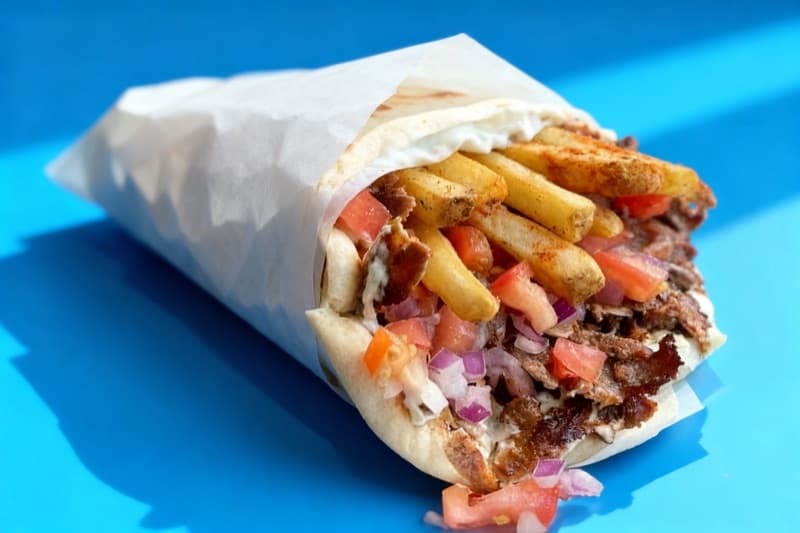
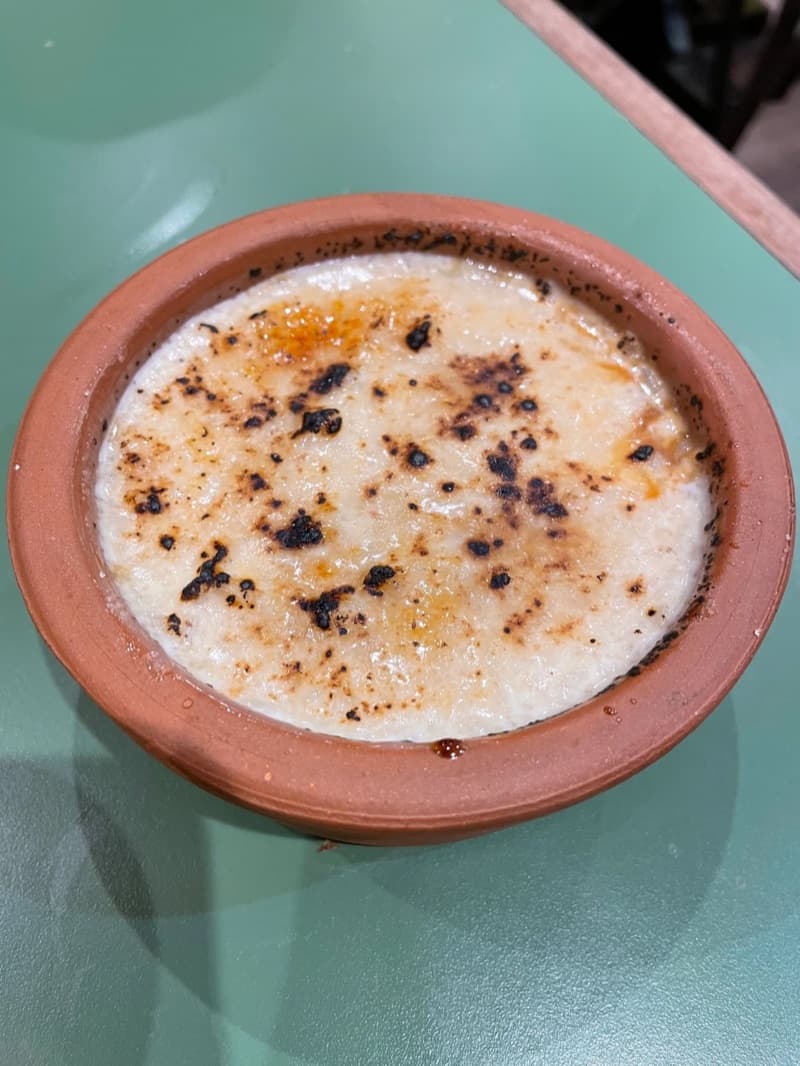
See the difference professional photos make
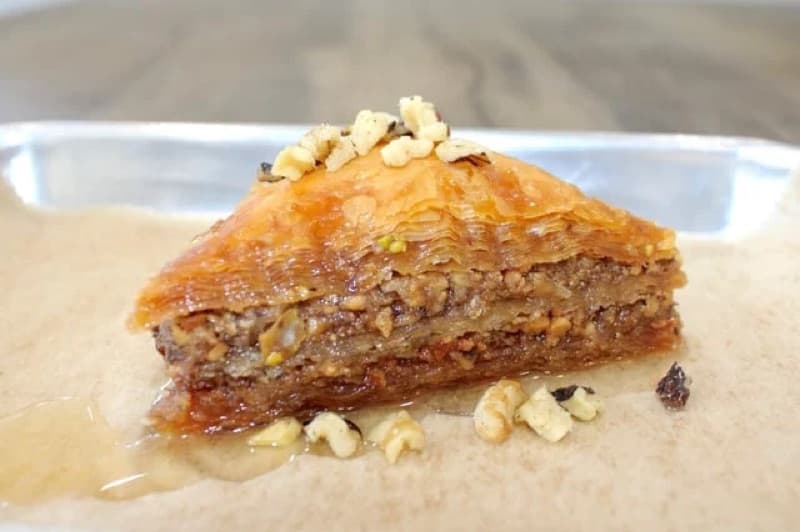
Before: Baklava transformed from messy tray to slate surface with red backdrop

Before

After: Baklava transformed from messy tray to slate surface with red backdrop

After

Before: Gyro wrap transformed from casual tray to vibrant blue backdrop

Before

After: Gyro wrap transformed from casual tray to vibrant blue backdrop

After

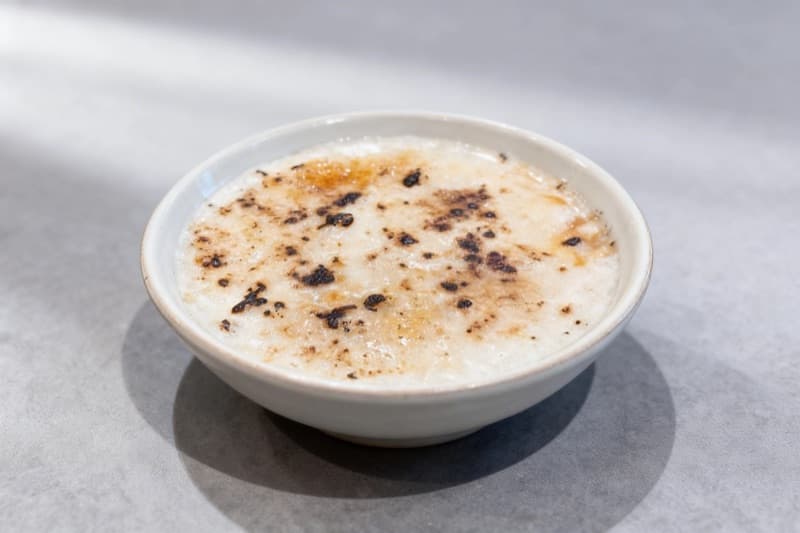
Before: Rice pudding transformed from cluttered table to clean concrete surface

Before

After: Rice pudding transformed from cluttered table to clean concrete surface

After

27% of UK food delivery market

Market share

7.4 million

Active users

25–35%

Commission

£25

Avg order

Why Deliveroo Matters for Your Restaurant

Deliveroo has cemented itself as one of the most influential food delivery platforms in the UK and across Europe, the Middle East, and Asia-Pacific. Founded in London in 2013 by Will Shu, the platform now operates in 10 markets, connects over 163,000 restaurant partners to 7.4 million monthly active consumers, and processed a gross transaction value of £7.4 billion in 2024. In the UK alone, Deliveroo commands a 27% share of the food delivery market, making it the second-largest platform behind Just Eat.

For restaurant owners, Deliveroo represents a significant revenue channel—but one with intense competition. With thousands of restaurants listed in any given postcode, simply being on the platform is not enough. Your ranking in the app, the quality of your menu listing, your operational speed, and how you leverage Deliveroo’s own promotional tools all determine whether customers choose your restaurant or scroll past it.

This guide covers 10 actionable, Deliveroo-specific strategies to increase your order volume. Each tip draws on real platform mechanics, from how Deliveroo’s algorithm weights prep time and acceptance rate, to how its Marketer tool can deliver a 25% uplift in orders. Whether you are a single-location independent restaurant in Manchester or a multi-site chain across London, these strategies are designed to help you climb Deliveroo’s rankings, convert more menu views into orders, and maximise the return on your commission investment.

We also cover Deliveroo’s unique features that set it apart from competitors—Editions dark kitchens, Virtual Brands, Deliveroo for Business corporate ordering, and the Deliveroo Plus subscriber ecosystem—so you can take full advantage of every growth lever the platform offers.

How Deliveroo's Algorithm Ranks Restaurants

Deliveroo’s algorithm determines which restaurants appear at the top of a customer’s feed and search results. Unlike a simple directory, Deliveroo dynamically ranks restaurants based on a combination of performance metrics, relevance signals, and real-time demand patterns. Understanding these factors is the single most important step you can take to increase your visibility and order volume on the platform.

Deliveroo does not publicly disclose its exact ranking formula, but the company’s Restaurant Hub documentation and partner communications have confirmed several key signals. The algorithm operates in real time, meaning your ranking can shift throughout the day based on neighbourhood trends, cuisine popularity, and even weather conditions. This dynamism is actually an advantage for well-run restaurants: consistent operational excellence creates a compounding visibility effect that less disciplined competitors cannot replicate.

FactorWeightDetails
Preparation Time & Delivery SpeedhighDeliveroo tracks your average prep time and the duration couriers wait at your restaurant. Faster preparation directly improves your ranking because Deliveroo prioritises restaurants that can deliver quickly. The platform measures this per-order and aggregates it over time, so consistent speed matters more than occasional fast orders.
Customer Ratings & ReviewshighYour average star rating out of 5 is a primary ranking signal. Deliveroo displays this prominently on your listing and uses it to filter recommendations. Restaurants below 4.0 stars see significantly reduced visibility. The algorithm also considers the volume and recency of reviews, not just the average score.
Order Acceptance RatehighDeliveroo pushes restaurants with high order acceptance rates to the top of listings. Rejecting or cancelling orders signals unreliability to the algorithm. Aim for a 98%+ acceptance rate. The platform also tracks cancellation rate and order accuracy as secondary reliability metrics.
Store Availability & UptimemediumWhen your restaurant goes offline during listed operating hours—even briefly—your ranking drops. Deliveroo rewards consistent availability because it ensures customer demand can always be met. Frequent closures or reduced hours directly reduce your algorithmic visibility, and recovery takes days of consistent uptime.
Menu Completeness & PhotographymediumRestaurants with complete menu descriptions, accurate item modifiers, and professional photography receive a ranking boost. Deliveroo has confirmed that photographed menus increase conversion rates, and higher-converting restaurants naturally rank better because the algorithm favours listings that generate orders.
Conversion RatemediumThe percentage of customers who view your listing and then place an order is a strong relevance signal. High conversion tells the algorithm that your menu, pricing, and presentation match what customers in your area want. This is influenced by your photos, descriptions, pricing, and minimum order value.
Promotions & Offers ActivitylowRunning offers through Deliveroo’s Marketer tool or participating in platform-wide promotions like Tasty Thursdays can provide a temporary ranking boost. Promoted restaurants appear in dedicated sections of the app, and the increased order volume from promotions can sustain higher organic rankings even after the offer ends.

One critical aspect of Deliveroo’s algorithm that many restaurant owners miss is its neighbourhood-level personalisation. The algorithm does not rank restaurants the same way for every customer. A user in Shoreditch will see different rankings than a user in Camden, even for the same restaurant, because Deliveroo factors in estimated delivery time from your kitchen to each specific customer. This means your prep time has an outsized impact: shaving even two minutes off your average preparation time can move you up several positions for customers at the edge of your delivery radius.

Deliveroo also employs a feedback loop where initial performance in your first few weeks on the platform disproportionately affects your long-term ranking. New restaurants receive an initial visibility boost (often called the "new restaurant" honeymoon period) during which the algorithm tests your listing against established competitors. If you perform well during this window—fast prep times, high acceptance rate, strong ratings—you earn a persistent ranking advantage. If you fumble the launch, recovery requires weeks of sustained improvement.

The algorithm also responds to temporal patterns. Restaurants that consistently perform well during peak hours (Friday and Saturday evenings, Sunday lunch) receive priority placement during those high-demand windows. Deliveroo’s data shows that peak-hour performance carries more weight than off-peak metrics because that is when the majority of revenue is generated for both the platform and its partners.

10 Proven Ways to Increase Your Deliveroo Orders

1.Engineer Your Menu for Deliveroo's Unique Customer Behaviour

Deliveroo customers behave differently from dine-in guests. They scroll quickly, compare multiple restaurants, and make decisions in under 30 seconds. Your menu needs to be engineered specifically for this context, not simply copied from your physical menu.

Start by accessing Deliveroo’s Restaurant Hub analytics to identify your top-performing items. The Hub’s Sales section shows which dishes generate the most orders and revenue. Place these items in a dedicated "Most Popular" or "Best Sellers" category at the top of your menu—Deliveroo displays categories in the order you set them, and the first category a customer sees drives the majority of conversions.

Limit your delivery menu to 25–40 items. Unlike a dine-in menu where variety signals quality, a sprawling delivery menu overwhelms customers and slows your kitchen. Remove items that don’t travel well, have low margins, or require excessive prep time. Deliveroo’s algorithm penalises slow preparation, so every item on your menu should be achievable within your target prep time.

Write descriptions that sell the experience, not just list ingredients. Instead of "Chicken burger with lettuce, tomato, cheese," write "Crispy buttermilk chicken with aged cheddar, vine tomato, and house-made sriracha mayo on a toasted brioche bun." Descriptive menu labels have been shown to increase sales by up to 28%. On Deliveroo, where customers cannot smell or see your food, descriptions do the selling.

Price strategically for the delivery context. Deliveroo customers expect a slight markup over dine-in prices (typically 10–15%), but excessive markups drive them to competitors. Review your competitors’ pricing directly in the Deliveroo app by searching your postcode. Ensure your prices are competitive while accounting for the 25–35% commission Deliveroo charges.

Use item modifiers and upsells aggressively. Deliveroo’s Menu Manager lets you add modifier groups (e.g., "Add a side," "Make it a meal," "Choose your sauce"). These modifiers increase your average order value without additional menu complexity. Restaurants that implement structured modifier groups typically see a 15–20% increase in average order value because customers opt into extras they would not have thought to order separately.

Finally, review and refresh your menu every 8–12 weeks. Use the Restaurant Hub data to cut underperformers and test new items. Seasonal updates signal to both the algorithm and customers that your restaurant is active and current.

28%[5]

sales increase from descriptive menu item labels

2.Invest in Professional Food Photography for Every Menu Item

Deliveroo’s own data confirms that restaurants with menu photography see a 20–30% boost in overall orders. Items with photos next to them generate an average 6.5% more sales than unphotographed items. Having food photos on even 10% of your menu can increase online orders by 12%. These are not theoretical numbers—they come directly from Deliveroo’s platform analytics across thousands of UK restaurants.

Deliveroo maintains strict photography requirements that differ from other platforms. Menu item images must be at minimum 1200 x 800 pixels with a 3:2 aspect ratio, allowing space for Deliveroo’s 1:1 crop. Hero images (the banner at the top of your listing) require a minimum of 1920 x 1080 pixels in 16:9 format. Only JPEG files are accepted—Deliveroo rejects PNG, TIFF, and Photoshop files. No stock imagery is permitted; you must own the rights to every image.

Each menu item image should show a single dish centred in the frame, shot from an angle that reveals all components. The entire dish must be visible with sufficient margin on all sides because Deliveroo crops to a 1:1 square. Images cannot include text, watermarks, hands, or faces. Poor-quality images—including basic smartphone shots with poor lighting—actually decrease orders compared to having no image at all.

For your hero image, showcase a curated arrangement of 3–5 of your signature dishes. This image appears in search results and is the first visual impression a customer gets of your restaurant. Invest the most effort here. Use professional lighting, complementary props, and a clean background that matches your brand.

Deliveroo offers an onboarding photography session as part of the sign-up fee, but this typically covers only a limited number of items. For complete menu coverage, consider professional food photography services or AI-powered tools like MenuPhotoAI that can transform basic food photos into professional-quality images that meet Deliveroo’s exact specifications. The ROI calculation is straightforward: if photography increases your orders by even 20% on a restaurant doing £2,000 per week through Deliveroo, that is £400 per week in additional revenue—paying for the photography investment within days.

Prioritise photographing your top 10 sellers first, then work through the rest of your menu. The Restaurant Hub analytics will show you exactly which items generate the most views and orders, so you can photograph high-traffic items before low-traffic ones.

20–30%[1]

order boost from menu photography on Deliveroo

3.Reduce Prep Time to Under 15 Minutes to Climb Rankings

Preparation time is the single most impactful operational metric on Deliveroo. The algorithm directly measures how long couriers wait at your restaurant, and this data feeds into your ranking position for every customer within your delivery radius. Deliveroo’s system timestamps when an order is accepted, when the courier arrives, and when the order is collected—giving the platform precise data on your kitchen efficiency.

The platform’s ideal prep time window is 10–15 minutes. Restaurants consistently hitting this range receive a measurable ranking advantage over competitors averaging 20+ minutes. During peak hours, when demand is highest and ranking competition is fiercest, prep time becomes even more decisive.

Start by auditing your current performance in the Restaurant Hub. Navigate to the performance section to see your average prep time, courier wait time, and the percentage of orders that are delayed. Identify which menu items consistently cause delays—these are candidates for recipe simplification, prep batching, or removal from the delivery menu entirely.

Implement a parallel preparation workflow for delivery orders. Unlike dine-in service where courses are staggered, delivery orders should have all components prepared simultaneously. Station-based preparation—where starters, mains, and sides are prepared at different stations in parallel rather than sequentially—can cut total prep time by 30–40%.

Invest in packaging pre-staging. Have bags, containers, cutlery, and napkins pre-assembled for each order type. The 60–90 seconds spent assembling packaging per order adds up to significant courier wait time across a busy service. Pre-staging reduces this to 15–20 seconds.

Use Deliveroo’s "busy mode" strategically during unexpected rushes. Rather than letting prep times blow out to 30+ minutes (which damages your ranking for days), temporarily increase your listed prep time or pause new orders. A brief pause causes less algorithmic damage than a string of delayed orders with long courier wait times.

Monitor your performance weekly, not monthly. Deliveroo’s algorithm responds to recent trends, so a bad week can undo a month of good performance. Set a team target for average prep time and review it in your weekly kitchen briefing. Restaurants that treat prep time as a key performance indicator—not just an operational afterthought—consistently outrank competitors who only focus on food quality.

10–15 min[2]

ideal prep time window for Deliveroo ranking advantage

4.Use Deliveroo Marketer to Run Targeted In-App Promotions

Deliveroo Marketer is the platform’s self-service advertising tool, accessible directly from the Restaurant Hub. It is one of the most underutilised growth levers available to restaurant partners. Deliveroo’s own data shows that restaurants running offers through Marketer see an average 25% increase in orders and a 32% boost in menu views during the promotion period.

Marketer lets you create several types of offers: percentage discounts (e.g., 20% off orders over £20), free item promotions (e.g., free starter with any main), free delivery offers, and buy-one-get-one-free deals. Each offer type serves a different strategic purpose, and the most successful restaurants rotate between them to avoid discount fatigue.

Percentage discounts work best for acquiring new customers. Set a minimum order threshold that is 20–30% above your current average order value to ensure the discount drives larger baskets rather than simply subsidising existing order patterns. For example, if your average order is £18, set a "20% off orders over £25" offer—this encourages customers to add extra items to qualify.

Free delivery offers are particularly effective for Deliveroo because the platform’s delivery fee is a primary friction point for non-Plus subscribers. Absorbing the delivery fee (typically £1.49–£3.49) costs you far less than a percentage discount but can significantly increase conversion from browse to order.

Time your promotions to coincide with Deliveroo’s own promotional events. Tasty Thursdays (20% off selected restaurants) and Fridge Filler Mondays (grocery discounts) are platform-wide campaigns that drive increased app traffic. Running your own Marketer offer during these periods compounds the visibility effect—you benefit from both the platform’s marketing spend driving users to the app and your own offer converting those users.

Track every promotion’s performance in the Restaurant Hub’s analytics. Marketer provides data on impressions, click-through rate, orders generated, and cost per acquisition. Use this data to refine your approach: if a 20% discount generates 40 extra orders but a free delivery offer generates 35 extra orders at one-third the cost, the free delivery offer delivers better ROI.

Budget £100–£300 per month for Marketer campaigns to start. Test different offer types across different days and times, then scale spending toward the combinations that deliver the strongest return on investment. The compounding benefit is that increased order volume from paid promotions improves your organic ranking, creating a virtuous cycle where paid and organic visibility reinforce each other.

25%[3]

average order increase from Deliveroo Marketer offers

5.Optimise for Deliveroo Plus Subscribers Who Spend More

Deliveroo Plus is the platform’s subscription programme, offering customers free delivery and exclusive discounts for a monthly fee. Plus Silver starts at £3.49/month (free delivery on orders over £25) and Plus Gold at £7.99/month (lower thresholds and 10% credit back on orders over £30). Crucially, Amazon Prime members in the UK receive a complimentary 12-month Plus Silver subscription, which has massively expanded the Plus subscriber base.

Plus subscribers are your most valuable customers on Deliveroo. They order more frequently, spend more per order, and have higher lifetime value than non-subscribers because they have already committed a monthly fee that incentivises repeat ordering. Optimising your menu and operations for Plus subscribers can disproportionately increase your revenue.

First, ensure your minimum order value is set at or below £25—the Plus Silver free delivery threshold. If your minimum order is £30, Plus Silver subscribers still pay a delivery fee, and you lose the primary benefit of their subscription. Many restaurants unknowingly set minimums above this threshold and miss out on the largest subscriber segment.

Structure your menu to make it easy for customers to build a £25+ basket. Create meal deal bundles (main + side + drink for £24.99) that sit just below the threshold. Add a "Perfect for Plus" or "Free Delivery Picks" category that highlights items and combinations that hit the £25 mark. The easier you make it for Plus subscribers to qualify for free delivery, the more likely they are to choose your restaurant over a competitor.

For Plus Gold subscribers, the 10% credit-back kicks in at £30. Create premium bundles or sharing platters priced at £29.99–£34.99 to capture this segment. These customers are actively looking to spend above £30 because they earn credits, so give them a compelling reason to do it at your restaurant.

Monitor your Deliveroo Plus performance in the Restaurant Hub. The analytics section shows what percentage of your orders come from Plus subscribers. If this percentage is below the platform average for your area, your pricing or minimum order value may be creating friction. Adjusting these levers can unlock a significant pool of high-value, repeat customers who are already predisposed to order frequently.

Plus subscribers also tend to leave more reviews and have higher expectations. Meeting those expectations consistently builds a loyal base of repeat customers who order weekly rather than monthly.

6.Protect Your Star Rating with Proactive Quality Control

On Deliveroo, your star rating is displayed prominently on your listing tile—the first thing customers see when browsing. Many customers filter by rating, and Deliveroo’s algorithm uses your rating as a primary ranking factor. A drop from 4.5 to 4.2 stars can reduce your order volume by 20–30% because you lose both algorithmic visibility and customer trust simultaneously.

Deliveroo’s review system allows customers to rate their experience from 1 to 5 stars and leave written feedback. The platform displays your average rating, total review count, and recent reviews publicly. Unlike some platforms, Deliveroo does not let restaurants delete negative reviews—your only options are to respond publicly and to prevent negative experiences from occurring in the first place.

The most common sources of negative ratings on Deliveroo are missing items, incorrect orders, cold food, and poor packaging. Address each systematically. Implement a double-check station where every order is verified against the receipt before sealing. Use tamper-evident stickers or sealed bags so customers know their order has not been interfered with during delivery. Invest in insulated packaging for hot items and separate containers for items that should not touch (e.g., sauces, salads).

Respond to every negative review in the Restaurant Hub within 24 hours. Deliveroo’s review response feature allows you to acknowledge issues publicly, which demonstrates accountability to future customers reading your reviews. A thoughtful response to a 2-star review can actually build trust—customers recognise that mistakes happen, but they want to see that you care enough to respond.

Proactively encourage reviews from satisfied customers. Include a small thank-you card in every order with a message like "Enjoying your meal? We’d love a review on Deliveroo!" Customers who have a positive experience rarely leave reviews unless prompted, while dissatisfied customers almost always do. Actively soliciting positive reviews rebalances your rating toward an accurate reflection of your overall quality.

Track your rating trend weekly in the Restaurant Hub. If you notice a dip, investigate immediately by reading recent negative reviews for patterns. Often, a rating decline traces back to a specific operational issue—a new staff member making errors, a supplier change affecting ingredient quality, or a packaging failure—that can be fixed quickly once identified.

7.Expand Revenue with Deliveroo Editions and Virtual Brands

Deliveroo offers two unique expansion programmes that no other UK delivery platform provides at the same scale: Editions (delivery-only kitchen spaces) and Virtual Brands (additional brand identities from your existing kitchen). Both represent revenue opportunities that go far beyond simply optimising your existing listing.

Deliveroo Editions are purpose-built dark kitchen facilities operated by Deliveroo in strategic locations across the UK, including London, Leeds, Manchester, and other major cities. Deliveroo provides the kitchen space, cleaning, site management, waste disposal, and centralised services—you provide your chefs, ingredients, and recipes. Each Editions site accommodates up to six restaurant operators, and the commission covers rent and operational overhead. This model lets you expand into new delivery zones without the capital expenditure of a full restaurant fit-out, which can easily exceed £100,000 for a high-street location.

Editions is particularly valuable for restaurants that have strong brand recognition but limited geographic reach. If your restaurant in Soho is fully utilised but you are not reaching customers in Canary Wharf, an Editions kitchen lets you serve that market at a fraction of the cost of a second premises. Deliveroo’s data analysis helps identify which locations have unmet demand for your cuisine type, reducing the risk of expansion.

Virtual Brands take a different approach: rather than expanding geographically, you expand your cuisine offering from your existing kitchen. Deliveroo partners with you to analyse local market data, identify cuisine gaps in your area, and develop a new brand and menu that your existing team can prepare using your current equipment. The virtual brand appears as a separate restaurant listing on the platform with its own branding, menu, and customer base.

The results are compelling: participating restaurants have seen a 75% increase in order volume, with 84% of virtual brand customers having never ordered from the original restaurant. This means virtual brands generate genuinely incremental revenue rather than cannibalising existing orders.

To explore either programme, contact your Deliveroo account manager or apply through the Restaurant Hub. Editions requires a minimum track record on the platform and consistent quality metrics. Virtual Brands are available to a broader range of partners but require the kitchen capacity to handle additional order volume without compromising prep time on your primary brand.

75%[6]

order volume increase for Virtual Brand participants

8.Dominate Friday and Saturday Peaks with Operational Precision

Deliveroo’s order volume follows a sharp weekly cycle. Friday and Saturday evenings between 6pm and 9pm typically generate 35–45% of a restaurant’s total weekly Deliveroo revenue. Sunday lunch (12pm–2pm) is the third-highest peak. Deliveroo’s algorithm gives extra ranking weight to restaurants that perform well during these high-demand windows, meaning peak-hour excellence compounds into better off-peak visibility too.

The most common peak-hour failure is accepting more orders than your kitchen can handle, leading to ballooning prep times and courier wait times. Deliveroo’s system does allow you to adjust your listed preparation time upward during busy periods, but a better strategy is to prepare your kitchen specifically for peak throughput.

Create a peak-hour preparation plan. Identify which items are ordered most frequently during Friday and Saturday evenings (the Restaurant Hub analytics show this by time slot) and pre-prep components for those items before service begins. Batch-prepare sauces, pre-portion proteins, par-cook sides, and stage packaging. The goal is to reduce per-order prep time during peak from an average of 15 minutes to 8–10 minutes.

Staff specifically for delivery during peak hours. Many restaurants make the mistake of sharing kitchen staff between dine-in and delivery, leading to both channels suffering. If your Deliveroo revenue justifies it, dedicate one or two staff members exclusively to delivery order preparation during Friday and Saturday peaks. This separation prevents delivery orders from disrupting dine-in service and vice versa.

Use Deliveroo’s busy mode controls strategically. If orders spike beyond your capacity, briefly increase your listed prep time to 25–30 minutes rather than letting actual delivery times blow out. Customers who order knowing the wait is longer give better ratings than customers who expect 15 minutes and receive their food in 35. The algorithm also responds better to accurate time estimates than to consistently missed ones.

Monitor your peak-hour rejection and cancellation rates closely. Rejecting orders during peak hours damages your ranking disproportionately because the algorithm interprets it as an inability to handle demand when it matters most. If you find yourself regularly rejecting orders, it is time to expand kitchen capacity for delivery rather than continuing to cap your growth.

9.Tap Into Corporate Orders Through Deliveroo for Business

Deliveroo for Business (also called Deliveroo for Work) is the platform’s corporate ordering channel, and it represents a revenue stream that most independent restaurants completely overlook. Companies use Deliveroo for Work to provide meal allowances to employees, cater meetings, and order for corporate events. The orders tend to be larger (often £50–£200+ for group orders), more frequent (daily lunch orders for offices), and more predictable than individual consumer orders.

To position your restaurant for corporate orders, you need to understand what business customers prioritise: variety (to accommodate dietary requirements), reliability (orders arriving on time for meetings), and professional presentation (food that looks good in a boardroom setting). These priorities are different from individual consumer orders where speed and value dominate.

Create a specific "Corporate" or "Office Catering" category in your Deliveroo menu. Include sharing platters, sandwich selections, boxed lunches, and group meal deals that are easy to order for 5–20 people. Price these as per-person packages (£8.99 per person for a lunch box, £12.99 per person for a premium selection) to make budgeting simple for office managers.

Label dietary options clearly—vegetarian, vegan, gluten-free, halal—because corporate orders almost always need to accommodate multiple dietary requirements. Deliveroo’s Menu Manager supports dietary tags, and using them increases your visibility in filtered searches that corporate users frequently employ.

Ensure your packaging is appropriate for corporate settings. Individual portions in branded, professional containers make a significantly better impression than foil trays. Include napkins, cutlery, and serving utensils for sharing platters. This attention to detail drives repeat corporate orders, which are far more valuable than one-off consumer orders.

The Deliveroo for Work platform also provides companies with account management tools, monthly invoicing, and spending controls. Restaurants that appear prominently in the corporate channel benefit from recurring, high-value orders that smooth out the peaks and troughs of individual consumer demand. Contact your Deliveroo account manager to discuss how to optimise your listing for corporate visibility, as there may be additional promotional opportunities available specifically for the business channel.

10.Use Restaurant Hub Analytics to Make Data-Driven Decisions

Deliveroo’s Restaurant Hub is more than an order management dashboard—it is a comprehensive analytics platform that provides the data you need to continuously improve your performance. Most restaurant owners only use the Hub to accept orders and check payments, but the analytics sections contain insights that can directly increase your revenue.

The Sales section breaks down your revenue by day, week, and month, and shows which items generate the most orders and revenue. Use this to identify your true best-sellers on Deliveroo, which may differ from your dine-in best-sellers. A dish that is popular in-house may not photograph well or travel well, while a simpler item might be a Deliveroo hit. Let the data, not intuition, guide your menu decisions.

The performance metrics section shows your average prep time, courier wait time, order acceptance rate, and delayed order percentage. These are the exact metrics that feed into Deliveroo’s ranking algorithm, so monitoring them is equivalent to monitoring your visibility. Set weekly targets for each metric and review them in your team briefing.

The customer feedback section aggregates ratings and reviews with the ability to respond publicly. Beyond individual review management, look for patterns in feedback. If multiple customers mention cold food, your packaging needs upgrading. If accuracy complaints are rising, your order-checking process has gaps. Treating review analysis as a diagnostic tool rather than just a reputation management exercise is what separates top-performing restaurants from the rest.

The invoicing section provides detailed financial breakdowns including commission charged, adjustments, and net payments. Review this monthly to understand your true cost per order on Deliveroo. If your commission-adjusted margin on a specific item is below 10%, consider repricing, reformulating, or removing it. The Hub data lets you calculate exact profitability per menu item when combined with your food cost data.

Create a weekly 15-minute ritual of reviewing your Restaurant Hub analytics. Track your key metrics on a simple spreadsheet: weekly orders, average order value, prep time, rating, and acceptance rate. Over time, this data reveals trends that are invisible on a day-to-day basis—seasonal patterns, the impact of menu changes, and the true ROI of promotional campaigns.

Better Deliveroo photos. More orders.

MenuPhotoAI uses AI to turn your phone photos into studio-quality menu images, ready to upload to Deliveroo in minutes. Start with 5 free photos, no credit card required.

Try MenuPhotoAI Free

Deliveroo Photo Requirements

Minimum resolution1200 x 800 pixels (menu items), 1920 x 1080 pixels (hero images)
Aspect ratio3:2 for menu items (cropped to 1:1 in-app), 16:9 for hero images
Max file size5MB
Accepted formatsJPEG
Photos per item1 per menu item, 1 hero image per restaurant
Hero/cover image1920 x 1080 pixels minimum (16:9)

Deliveroo only accepts JPEG format—PNG, TIFF, and Photoshop files are rejected. No stock imagery permitted. Images cannot include text, watermarks, hands, or faces. Each menu item image must show a single dish centred in the frame with the full dish visible and sufficient margin for 1:1 cropping.

Food photography has a measurably larger impact on Deliveroo than on most competing platforms because of how Deliveroo displays restaurant listings. When a customer browses the app, your hero image is the primary visual element on your listing tile—it occupies significantly more screen space than your restaurant name, rating, or delivery time. This means your hero image is doing most of the work in convincing customers to tap on your listing rather than scrolling past it.

Once a customer opens your menu, photographed items receive dramatically more attention and orders than unphotographed items. Deliveroo’s internal data shows that items with photos generate 6.5% more sales than those without. Across a menu of 30 items, this adds up to a substantial revenue difference. More importantly, having photos on even 10% of your menu increases overall orders by 12%, suggesting a halo effect where photography signals quality and professionalism that lifts the entire menu’s performance.

The quality threshold matters critically on Deliveroo. The platform’s photography guidelines explicitly state that poor-quality images—including basic smartphone shots with poor lighting—actually decrease orders compared to having no image at all. This is because low-quality images actively undermine customer confidence in food quality. It is better to have no photo than a bad photo.

Deliveroo’s hero image requirements are particularly important for search visibility. The hero image appears not only on your menu page but also in search results, curated collections, and promotional placements. A compelling hero image showing a carefully arranged spread of your 3–5 best dishes can increase your click-through rate from search results by 30–40%.

For restaurants that cannot afford professional food photography (typically £200–£500 per session in the UK), AI-powered alternatives like MenuPhotoAI offer a practical solution. You can transform basic food photos into professional-quality images that meet Deliveroo’s exact specifications—correct resolution, aspect ratio, and styling—at a fraction of the cost. Given that Deliveroo reports a 20–30% order boost from menu photography, the return on investment from any photography approach pays for itself within the first week for most active restaurants.

24%[4]

average sales increase from menu photos on Deliveroo

Deliveroo Promotion Tools

Deliveroo Marketer

You fund the discount (no additional platform fee); costs vary by offer type and volume

Self-service promotion tool in the Restaurant Hub for creating percentage discounts, free item offers, free delivery deals, and BOGOF promotions. Restaurants see an average 25% order increase and 32% menu view boost during active campaigns. Offers appear in dedicated promotional sections of the app.

Deliveroo Plus Partnership

No additional cost; standard commission applies on Plus orders

Optimising for Plus Silver (£3.49/month) and Plus Gold (£7.99/month) subscribers who order more frequently and spend more. Amazon Prime members receive free Plus Silver, massively expanding the subscriber base. Restaurants benefit by setting minimum orders at or below the £25 free delivery threshold.

Tasty Thursdays

Restaurant funds the 20% discount on participating orders

Platform-wide weekly promotion offering 20% off at selected restaurants every Thursday. Deliveroo promotes the event across its marketing channels, driving increased app traffic. Participating restaurants fund the discount but benefit from Deliveroo’s national marketing spend.

Deliveroo Editions

Commission rate covers kitchen rental and operational costs; no separate rent payment

Delivery-only dark kitchen spaces in strategic locations across the UK. Deliveroo provides the kitchen facility, cleaning, waste management, and site operations. Restaurants bring their chefs, ingredients, and recipes to expand into new geographic areas without opening a full premises.

Virtual Brands

Standard commission on virtual brand orders; Deliveroo provides brand development support

Create additional restaurant brands operating from your existing kitchen. Deliveroo analyses local demand data to identify cuisine gaps, then partners with you to develop a new brand and menu. Participating restaurants see a 75% increase in order volume, with 84% of virtual brand customers being entirely new.

Deliveroo for Business

Standard commission; no additional fee for corporate orders

Corporate ordering channel where companies set up meal allowances, meeting catering, and office lunches. Orders tend to be larger (£50–£200+), more frequent, and more predictable than individual orders. Restaurants can create dedicated corporate menu categories.

Common Mistakes to Avoid

×

Copying your dine-in menu without adapting it for delivery

Delivery menus need to be curated for items that travel well, can be prepared quickly, and photograph compellingly. A 60-item dine-in menu overwhelms delivery customers and slows your kitchen. Trim to 25–40 items optimised for speed, packaging, and Deliveroo’s visual format.

×

Setting your minimum order above £25

Deliveroo Plus Silver subscribers (including all Amazon Prime members) get free delivery on orders over £25. If your minimum order is £30, you are excluding the largest subscriber segment from free delivery, pushing them to competitors with lower minimums.

×

Ignoring courier wait times as a ranking factor

Many restaurants focus on food quality but neglect the time couriers spend waiting. Deliveroo tracks courier wait time separately from prep time, and it directly impacts your ranking. Have orders ready at or before the estimated pickup time, not 5 minutes after the courier arrives.

×

Going offline during listed operating hours

Turning off your Deliveroo tablet during listed hours, even for 30 minutes, signals unreliability to the algorithm. Your ranking drops and takes days of consistent uptime to recover. If you need to pause, use the busy mode controls rather than going fully offline.

×

Uploading low-quality smartphone photos instead of no photos

Deliveroo’s own data shows that poor-quality images decrease orders compared to no images at all. Dark, blurry, or poorly styled photos actively harm your conversion rate. Either invest in professional photography or use AI-powered tools—but never upload substandard images.

×

Not responding to negative reviews in the Restaurant Hub

Unanswered negative reviews signal indifference to future customers. Deliveroo’s review response feature lets you publicly address complaints, demonstrating accountability. Respond within 24 hours with acknowledgement and a concrete fix—this often converts a negative impression into a positive one.

×

Running Marketer promotions without tracking ROI

Funding discounts through Marketer without monitoring cost per acquisition and incremental revenue leads to margin erosion. Use the Restaurant Hub analytics to calculate the true return on every promotion. If a campaign costs more in discounts than it generates in profit, restructure or pause it.

Your Action Checklist

Menu Optimisation

  • Trim menu to 25–40 items optimised for delivery speed and travel quality
  • Create a "Most Popular" category at the top with your 5–7 best-selling items
  • Write descriptive item names and descriptions (not just ingredient lists)
  • Add modifier groups for upsells: sides, drinks, extras, meal deals
  • Set minimum order value at or below £25 to capture Plus subscribers
  • Review and refresh menu every 8–12 weeks based on Restaurant Hub data

Photography & Visual

  • Upload professional JPEG photos for your top 10 best-selling items first
  • Create a compelling hero image showing 3–5 signature dishes (1920x1080, 16:9)
  • Ensure all menu item images are at least 1200x800 with margin for 1:1 crop
  • Remove any low-quality smartphone images (better no photo than a bad photo)
  • Verify images contain no text, watermarks, hands, or stock imagery
  • Consider AI-powered tools like MenuPhotoAI for cost-effective menu coverage

Operations & Speed

  • Reduce average prep time to 10–15 minutes for ranking advantage
  • Implement parallel station preparation for delivery orders
  • Pre-stage packaging (bags, containers, cutlery) before each service
  • Maintain 98%+ order acceptance rate to maximise algorithmic visibility
  • Staff dedicated delivery prep during Friday/Saturday 6pm–9pm peaks
  • Use busy mode controls strategically rather than going offline

Marketing & Promotions

  • Set up your first Deliveroo Marketer campaign with a percentage discount offer
  • Align promotions with platform events (Tasty Thursdays, seasonal campaigns)
  • Test free delivery offers as a lower-cost alternative to percentage discounts
  • Create corporate-friendly menu categories for Deliveroo for Business channel
  • Investigate Virtual Brands with your account manager for incremental revenue
  • Budget £100–£300/month for Marketer and track ROI on every campaign

Reviews & Analytics

  • Respond to every negative review within 24 hours via the Restaurant Hub
  • Include a review-request card in every delivery order
  • Monitor prep time, acceptance rate, and rating weekly in the Hub
  • Track key metrics on a spreadsheet: orders, AOV, rating, prep time trend
  • Implement a double-check station to reduce order accuracy complaints
  • Invest in sealed, insulated packaging to prevent cold food complaints

Key Takeaways

  • -Deliveroo’s algorithm prioritises prep time, ratings, and acceptance rate—optimise all three simultaneously for maximum ranking impact.
  • -Professional menu photography delivers a 20–30% order boost according to Deliveroo’s own data; having no photo is better than a poor-quality photo.
  • -Deliveroo Marketer campaigns generate an average 25% order increase—budget £100–£300/month and track ROI through the Restaurant Hub.
  • -Set your minimum order at or below £25 to capture Deliveroo Plus subscribers, including Amazon Prime members with free Plus Silver subscriptions.
  • -Virtual Brands can increase your order volume by 75% using your existing kitchen, with 84% of customers being entirely new to your restaurant.
  • -Peak-hour performance (Friday/Saturday 6–9pm) carries extra algorithmic weight—dedicated delivery staffing during peaks compounds into better off-peak rankings.
  • -Use the Restaurant Hub analytics weekly to make data-driven menu, pricing, and operational decisions rather than relying on intuition.

Frequently Asked Questions

Better Deliveroo photos. More orders.

MenuPhotoAI uses AI to turn your phone photos into studio-quality menu images, ready to upload to Deliveroo in minutes. Start with 5 free photos, no credit card required.

Try MenuPhotoAI Free

Sources

  1. [1] Deliveroo reports that restaurants with menu photography see a 20–30% boost in overall orders, and items with photos generate 6.5% more sales.. Hikaru Funnell Photography – Deliveroo Food Photography Guidelines. Accessed 2026-02-20.
  2. [2] Deliveroo’s algorithm prioritises fast prep times and short courier wait times, with delivery speed being a key factor in in-app ranking.. Deliverect – Deliveroo 101: The Essential Guide for Restaurants (2025). Accessed 2026-02-20.
  3. [3] Restaurants using Deliveroo Marketer see an average 25% more orders and a 32% boost in menu visits when running an offer.. Deliveroo Design (Medium) – Designing Marketer: Deliveroo’s First Restaurant Ad Platform. Accessed 2026-02-20.
  4. [4] Deliveroo reports a 24% sales increase from menu photos; having photos on 10% of a menu increases online orders by 12%.. Snappr Enterprise Blog – How Deliveroo Became the UK’s #1 Food Delivery Platform. Accessed 2026-02-20.
  5. [5] Descriptive menu labels can increase sales by up to 28% and boost perceived value of dishes by 12%.. WebstaurantStore – Menu Psychology: The Science Behind Menu Engineering. Accessed 2026-02-20.
  6. [6] Deliveroo Virtual Brand participants see a 75% increase in order volume, with 84% of virtual brand customers being new.. Irish Tech News – Deliveroo Launches Virtual Brands. Accessed 2026-02-20.
  7. [7] Deliveroo generated £2 billion revenue in 2024 with 7.4 million monthly active consumers and £7.4 billion gross transaction value.. Business of Apps – Deliveroo Revenue and Usage Statistics (2026). Accessed 2026-02-20.
  8. [8] Deliveroo holds a 27% share of the UK food delivery market, with Just Eat at 45% and Uber Eats at 27%.. SignHouse – Deliveroo Revenue and Growth Statistics (2024). Accessed 2026-02-20.
  9. [9] Deliveroo commission ranges from 25–35% with rates varying by restaurant type, contract, and region.. Menuviel – Deliveroo Fees and Commissions for Restaurants: Detailed 2025 Guide. Accessed 2026-02-20.
  10. [10] High-quality food photos can increase orders on restaurant delivery apps by 35%, with poor photography decreasing orders.. Snappr Enterprise Blog – High-Quality Food Photos Can Increase Orders by 35%. Accessed 2026-02-20.

This guide is reviewed and updated quarterly. MenuPhotoAI is an AI food photo enhancement platform. While we believe professional food photography helps restaurants succeed on delivery platforms, this guide aims to provide comprehensive, unbiased advice for restaurant owners regardless of the tools they use.