Restaurant Guide
How to Get More Orders on DoorDash
Increase DoorDash sales with 10 data-backed tips. Optimize your menu photos, leverage DashPass subscribers, and run Sponsored Listings to rank higher.
How to get more orders on DoorDash
- Add photos to every menu item - DoorDash data shows up to 44% more monthly sales for items with photos compared to text-only listings.
- Maintain price parity with in-store prices to avoid algorithmic penalties that can reduce sales by up to 37% and reorder rates by 78%.
- Upgrade to Plus or Premier to unlock DashPass eligibility and access to 26 million high-frequency subscribers who drive 30% average revenue increases.
- Use DoorDash Storefront for direct orders at 2.9% processing instead of 15-30% marketplace commission - ideal for repeat customers.
- Monitor your Operations Quality dashboard weekly - Dasher wait time, cancellations, accuracy, and downtime directly control your ranking.
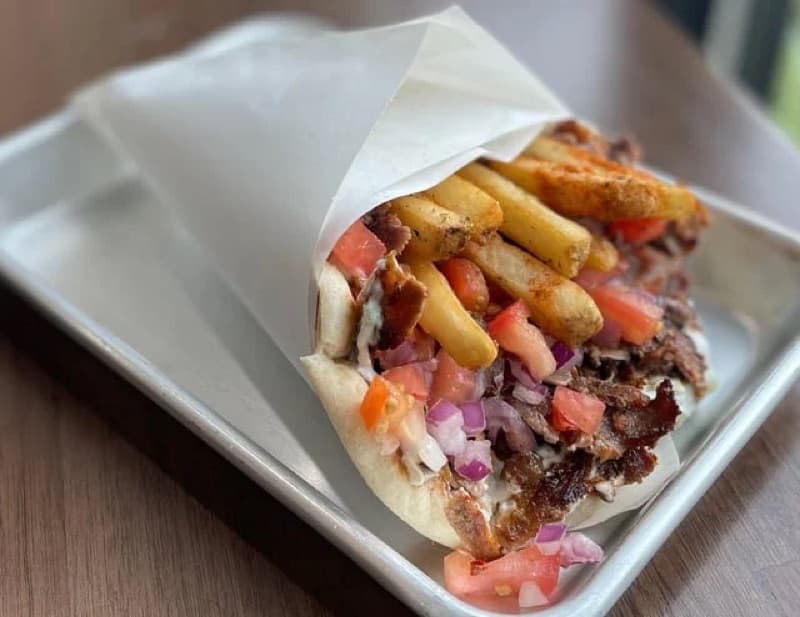
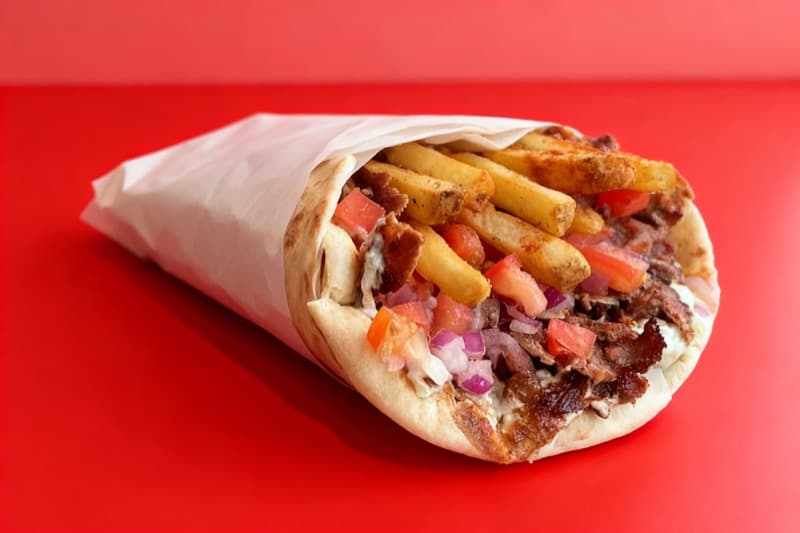
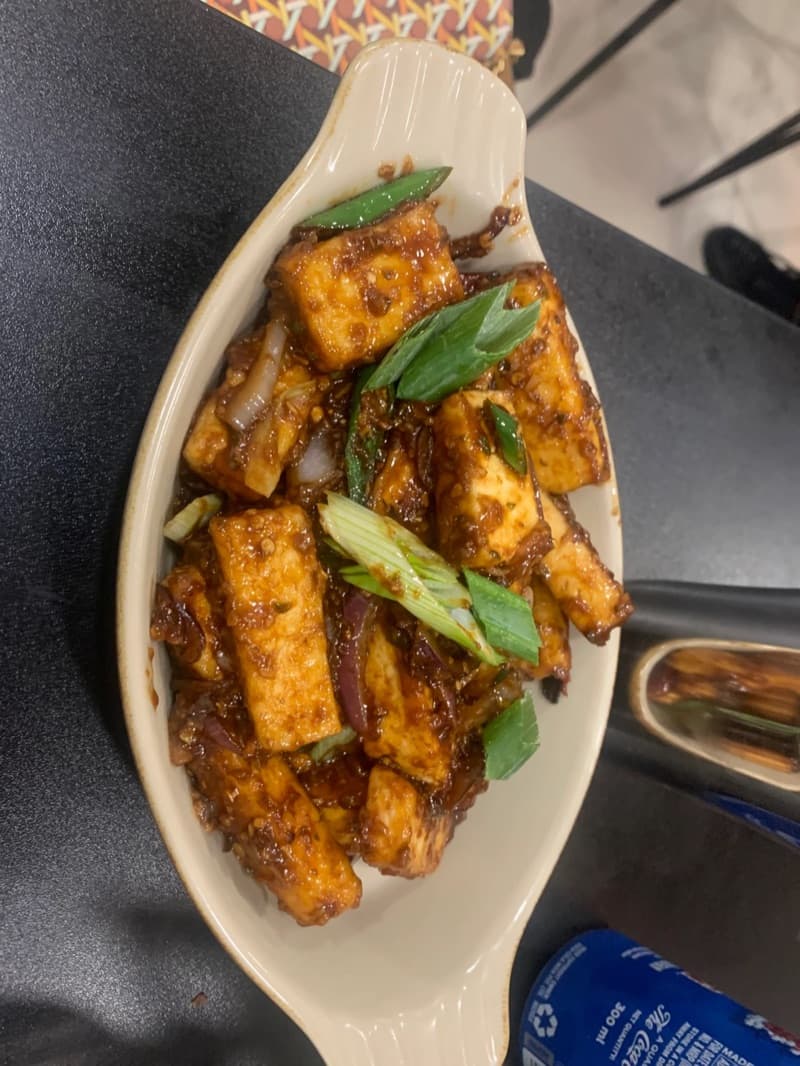
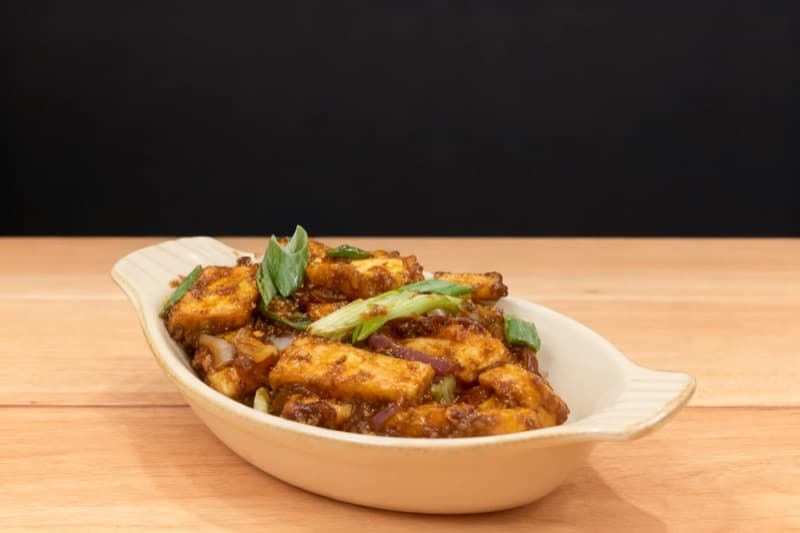
See the difference professional photos make
Before
After
Before
After
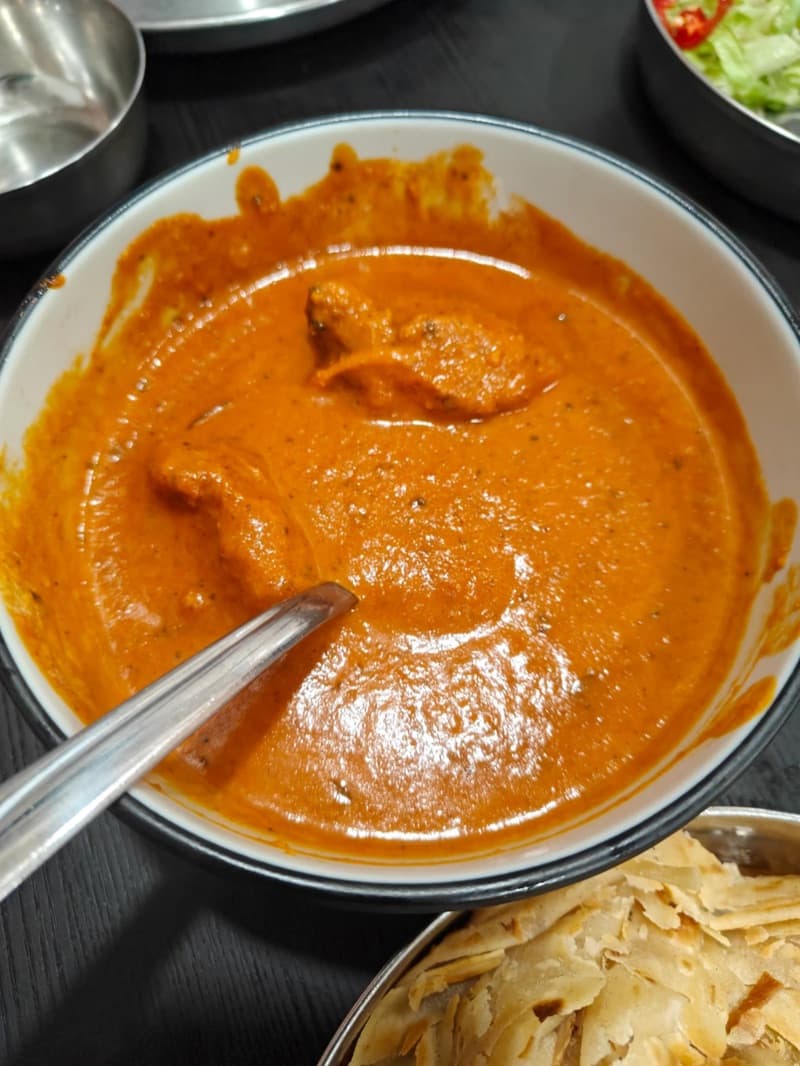
Before
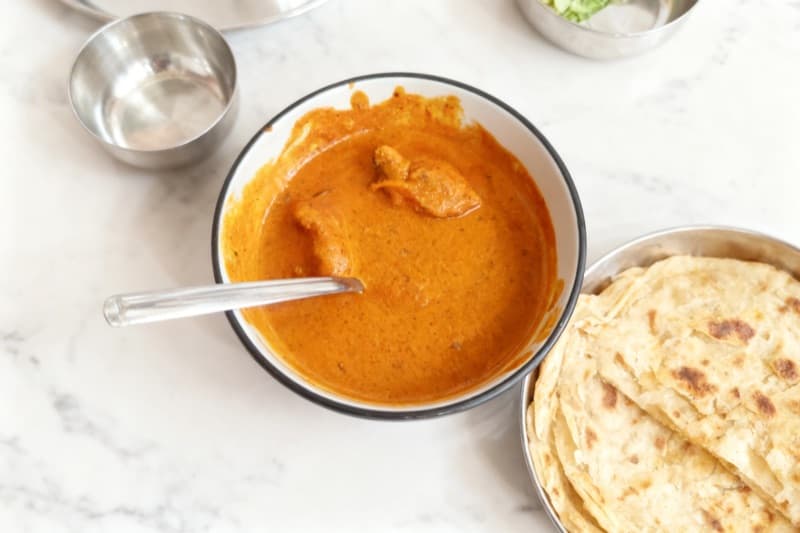
After
67%
Market share
46.3 million
Active users
15%–30%
Commission
$37.28
Avg order
Why DoorDash Matters for Your Restaurant
DoorDash is the dominant force in US food delivery, commanding 67% of marketplace order share and serving 46.3 million active users across the United States, Canada, Australia, and New Zealand. For restaurant owners, being on DoorDash is no longer optional - it is where the majority of online food orders happen. Yet many merchants sign up, upload a bare-bones menu, and wonder why orders trickle in while competitors down the street are drowning in Dasher pickups.
The difference between a low-performing and a high-performing DoorDash listing usually comes down to a handful of controllable factors: menu photography, operational quality metrics, strategic use of DoorDash-specific tools like DashPass and Storefront, and a fundamental understanding of how the platform's ranking algorithm decides which restaurants customers see first.
DoorDash processed over 2.5 billion orders in 2024, generating $80.1 billion in marketplace gross order value. With 26 million DashPass subscribers accounting for 56% of the total user base, the platform has built an ecosystem where loyal, high-frequency customers are concentrated - and your restaurant needs to be positioned to capture their attention. The most-ordered items in 2024 - French fries, garlic naan, and tacos - illustrate the platform's bias toward comfort food that photographs well and travels reliably.
This guide breaks down exactly how DoorDash decides which restaurants to surface, what tools are available to merchants at each commission tier, and the specific tactics that move the needle on order volume. Every recommendation is grounded in DoorDash's own published data and merchant resources, so you can prioritize the changes that deliver the highest return on your time and investment.
How DoorDash's Algorithm Ranks Restaurants
DoorDash's ranking algorithm determines where your restaurant appears when a customer opens the app or searches for food in your area. Unlike a simple directory, DoorDash actively curates what users see based on a complex scoring system that weighs operational reliability, customer satisfaction, pricing strategy, and your participation in DoorDash's growth programs. Understanding these factors is the first step toward getting your restaurant in front of more customers, because even excellent food will go unordered if the algorithm buries your listing on page three.
| Factor | Weight | Details |
|---|---|---|
| Price Parity | high | DoorDash heavily penalizes restaurants that inflate delivery prices above in-store prices. According to DoorDash, significant pricing discrepancies result in up to 37% fewer sales, a 59% reduction in conversion rates, and a 78% reduction in reorder rates. Restaurants with price parity receive a visible badge and enhanced search ranking. |
| Customer Ratings & Reviews | high | Star ratings and review volume directly influence search ranking. DoorDash surfaces higher-rated restaurants more prominently because they signal reliable quality. Ratings are visible in the Operations Quality tab, and merchants can respond to reviews using pre-written or custom templates to demonstrate responsiveness. |
| Order Accuracy & Cancellations | high | Cancelled orders, missing items, and incorrect dishes are tracked in DoorDash's Operations Quality metrics. High cancellation rates or frequent accuracy complaints signal unreliability to the algorithm, reducing your visibility. DoorDash measures this alongside Dasher wait time as a key fulfillment indicator. |
| Dasher Wait Time (Prep Speed) | medium | The total time Dashers spend waiting at your restaurant is tracked and factored into ranking. Long wait times frustrate both Dashers and customers, leading to lower ratings and reduced algorithmic priority. Setting accurate prep times and fulfilling orders on schedule is critical. |
| Store Downtime | medium | DoorDash targets a store downtime goal of 1% or lower. Restaurants that frequently go offline or close during listed hours are penalized with suppressed visibility even after they reopen. Consistent availability during peak hours is essential for maintaining ranking. |
| Partnership Tier & DashPass Eligibility | medium | Restaurants on the Plus (25%) or Premier (30%) plans become DashPass-eligible stores, which means 26 million subscribers see $0 delivery fees on their orders. This access to the DashPass audience directly impacts order volume and algorithmic preference. |
| Promotional Participation | low | Running promotions, Sponsored Listings, or participating in DoorDash campaigns signals active merchant engagement. While not the strongest ranking signal on its own, promotional activity increases impressions and order velocity, which feeds back into the algorithm's relevance calculations. |
| Menu Completeness & Photography | low | Menus with item photos, accurate descriptions, modifiers, and proper categorization convert better. DoorDash's algorithm considers conversion rate as a ranking signal, meaning well-built menus indirectly improve ranking through higher customer engagement. |
DoorDash's algorithm is distinct from competitors because of its aggressive enforcement of price parity. In late 2024, DoorDash began testing visible banners on listings like "Menu Matches In-Store Prices," signaling to customers which restaurants maintain consistent pricing. This is not merely a consumer transparency feature - it is an algorithmic lever. Restaurants that keep their DoorDash prices in line with in-store prices receive enhanced visibility, while those that inflate prices can see their sales drop by up to 40% from reduced ranking alone.
The algorithm also considers temporal factors. Extending your delivery hours by even 30 to 60 minutes beyond typical operating hours can unlock new visibility windows during late-night and weekend periods when demand outstrips supply in many markets. DoorDash has noted that some of the busiest ordering periods occur just outside traditional restaurant hours - Sunday evenings, late-night weekdays, and early weekend afternoons.
Crucially, the algorithm compounds. A restaurant with fast prep times earns better Dasher ratings, which leads to more reliable delivery, which improves customer ratings, which increases ranking, which drives more orders. This virtuous cycle is why the operational fundamentals matter so much - they do not just prevent penalties, they create momentum that the algorithm rewards exponentially over time. Conversely, a single week of high cancellations or extended downtime can take weeks to recover from in terms of ranking position.
10 Proven Ways to Increase Your DoorDash Orders
1.Add Professional Photos to Every Menu Item
Menu photography is the single highest-leverage change most DoorDash merchants can make. DoorDash's own data from a study of over 15,000 local small business merchants shows that menus with item photos generate up to 44% more monthly sales than menus without. Adding a header image to your storefront page boosts sales by up to 50%, and even just uploading a logo increases monthly sales by 23%.
These are not marginal gains. For a restaurant doing $5,000 per month on DoorDash, adding item photos alone could drive an additional $2,200 in monthly revenue based on DoorDash's published statistics. The reason is straightforward: when customers scroll through dozens of restaurant options, visual content stops the thumb. A text-only menu item competes against competitors whose crispy chicken sandwich is photographed with steam rising and a golden bun glistening - and it loses every time.
DoorDash accepts photos at a minimum resolution of 1400x800 pixels in a 16:9 aspect ratio, with file sizes under 16 MB. Photos are displayed as both thumbnails (1:1 crop) and detail page headers (16:9), so your images need to work at both dimensions. DoorDash's built-in photo editor allows you to auto-enhance, crop, adjust lighting and color, change backgrounds, and remove text or overlays after uploading.
For merchants on the Premier plan, DoorDash offers a free professional photoshoot - a photographer visits your restaurant and captures up to 20 dish photos plus a storefront header shot, with a $200 credit toward food and plating costs. Photos are delivered within two business days. However, there is a restriction: images from DoorDash's free photoshoot cannot be used on competing delivery platforms.
If you are not on the Premier plan, or if you want photos you own outright and can use across all channels, AI-powered food photography tools like MenuPhotoAI can transform your existing dish photos into professional-quality images that meet DoorDash's specifications in minutes. This approach gives you unlimited usage rights and consistent styling across DoorDash, Uber Eats, your website, and social media.
DoorDash reviews submitted photos within one business day and rejects images for 14 specific reasons including wrong dimensions, blurry images, bad lighting, distracting backgrounds, text overlays, visible faces, and images that do not accurately represent the dish. AI-generated images are accepted as long as they authentically represent what the customer will receive - DoorDash rejects photos where AI has fundamentally altered the appearance of the dish.
44%[1]
more monthly sales with menu item photos
2.Unlock DashPass to Access 26 Million Subscribers
DashPass is DoorDash's subscription program, and with 26 million subscribers, it represents the platform's most valuable and engaged customer segment. DashPass members get $0 delivery fees and reduced service charges on eligible orders, which means they order more frequently and from a wider range of restaurants. On average, businesses see at least a 30% increase in take-home revenue after one year of offering DashPass eligibility.
To become a DashPass-eligible store, your restaurant must be on the Plus (25% commission) or Premier (30% commission) plan. Restaurants on the Basic (15% commission) plan do not appear as DashPass-eligible, which means 26 million subscribers see a delivery fee on your orders that they do not see on competitors' orders. This price difference fundamentally shifts customer behavior - when a DashPass member is choosing between two similar burger restaurants, the one with $0 delivery wins almost every time.
The math on upgrading from Basic to Plus is often more favorable than merchants expect. If you are on the Basic plan at 15% commission and generating $8,000 per month in DoorDash sales, you are paying $1,200 in commissions. Moving to Plus at 25% costs $2,000 - an increase of $800. But if DashPass eligibility drives even a 20% increase in orders (conservative compared to DoorDash's reported 30% average), your revenue jumps to $9,600, and your net take-home after commissions goes from $6,800 to $7,200. The higher commission percentage is more than offset by higher volume.
DashPass also ties into DoorDash's newer "Going Out" feature, which brings in-store rewards, reservations, and exclusive offers to DashPass members. This means DashPass is no longer just a delivery program - it is evolving into a comprehensive dining loyalty platform that drives both delivery orders and in-store visits. Restaurants that are DashPass-eligible are positioned to benefit from both channels as DoorDash continues investing in this feature.
Evaluate your current plan economics carefully. The 10% commission difference between Basic and Plus may seem steep, but losing access to more than half of DoorDash's most active users is almost always more costly.
30%[2]
average revenue increase after one year on DashPass
3.Maintain Price Parity to Avoid Algorithmic Penalties
DoorDash's price parity policy is one of the most impactful and least understood factors affecting restaurant visibility on the platform. Restaurants that inflate their DoorDash menu prices above in-store prices face severe algorithmic consequences: up to 37% fewer sales, a 59% reduction in conversion rates, and a 78% reduction in reorder rates. These are not theoretical risks - DoorDash actively monitors pricing and adjusts ranking based on discrepancies.
Many restaurant owners markup delivery prices by 15% to 30% to offset DoorDash's commission fees, reasoning that customers expect to pay more for delivery. While this logic is intuitive, DoorDash's data shows it backfires. The platform has begun testing visible "Menu Matches In-Store Prices" banners on compliant restaurants, which function as a trust signal that increases conversion. Restaurants without this badge are implicitly flagged as overpriced in customers' minds.
The practical solution is to absorb commission costs through menu engineering rather than blanket price increases. Analyze your menu contribution margins - the items with the highest food cost percentages are the ones where price parity hurts most, while high-margin items like beverages, sides, and desserts can sustain commission without eroding profitability. Many successful DoorDash merchants restructure their delivery menu to emphasize high-margin combo meals and modifier-heavy items that increase average order value while keeping base prices consistent with in-store.
DoorDash's pickup orders carry only a 6% commission (available to all US partners who maintain price parity), making pickup a highly profitable channel. Promoting pickup availability on your DoorDash listing can shift some order volume to this lower-cost fulfillment method while maintaining your visibility benefits from price parity compliance.
If you absolutely must adjust pricing, keep the difference under 10% and focus increases on items where customers are less price-sensitive. But the data is clear: the algorithmic penalty for price inflation almost always costs more in lost orders than the margin you gain per order. DoorDash's system is designed to reward restaurants that play by its pricing rules, and fighting that system is a losing strategy.
37%[3]
fewer sales from inflated DoorDash prices
4.Use Sponsored Listings for Pay-Per-Order Advertising
DoorDash's Sponsored Listings are fundamentally different from advertising on most other platforms because they use a pay-per-confirmed-order model rather than pay-per-click or pay-per-impression. This means you only pay when a customer actually places an order through your ad - not when they scroll past it or click on your listing without ordering. For restaurants cautious about advertising spend, this model eliminates wasted budget on empty impressions.
Sponsored Listings place your restaurant in premium positions on the DoorDash homepage and in relevant search results. When a customer in your delivery area opens DoorDash or searches for a cuisine type you serve, your restaurant appears at the top of the results with a subtle "Sponsored" label. The cost per order varies by market and competition, but DoorDash's smart targeting feature (introduced in late 2024) has shown a 15% improvement in cost savings on average for participating merchants.
To get started, navigate to the Marketing tab in your Merchant Portal and select Sponsored Listings. You set a daily or weekly budget, and DoorDash's algorithm optimizes your ad spend to reach the most relevant customers. The key metric to watch is your return on ad spend (ROAS) - DoorDash's analytics show you exactly how many orders and how much revenue your Sponsored Listings generated compared to what you spent.
DoorDash also introduced Ghost Ads as its standard measurement methodology for Sponsored Listings. Ghost Ads use a control group approach that only includes customers who actually saw your ad, giving you a clearer view of how your ads drive incremental sales rather than cannibalizing orders that would have happened anyway. This level of measurement transparency is unique to DoorDash among major delivery platforms.
For Premier plan merchants, DoorDash now includes automatic ads run on your behalf at no extra cost as part of the plan benefits. This means if you are on Premier, you are already getting Sponsored Listings exposure without any additional setup or spend - check your Marketing tab to review performance and optimize targeting.
The most effective Sponsored Listings strategy combines paid visibility with strong organic fundamentals. An ad that drives a customer to a listing with no photos, few reviews, and inflated prices will waste your budget. Use Sponsored Listings to amplify a well-optimized listing, not to compensate for a poorly built one.
15%[4]
cost savings with DoorDash smart targeting
5.Set Up DoorDash Storefront for Commission-Free Direct Orders
DoorDash Storefront is a commission-free online ordering system that integrates directly with your restaurant's website, Google Business Profile, and social media pages. Unlike marketplace orders where you pay 15% to 30% commission, Storefront orders incur only a standard 2.9% plus $0.30 payment processing fee - the same rate you would pay with any credit card processor. Delivery is still fulfilled by Dashers, but you keep the vast majority of the revenue.
Setting up Storefront requires an existing DoorDash Marketplace account and takes minutes - your menu, pricing, and photos sync automatically. Orders placed through your website or Google profile appear on the same tablet or POS as your marketplace orders, so there is no additional operational complexity. Customers can place both delivery and pickup orders through Storefront.
The strategic value of Storefront extends beyond commission savings. By 2025, 399 multi-unit restaurant brands were leveraging DoorDash Storefront, including mid-market chains that traditionally relied on custom ordering platforms. The reason is that Storefront captures customers who already know your restaurant and search for you by name - these direct-intent customers do not need to be acquired through marketplace advertising, so paying 15% to 30% commission on their orders is pure margin loss.
DoorDash Storefront also integrates with Order with Google, meaning customers who find your restaurant through Google Search or Google Maps can place orders directly without ever visiting a third-party marketplace. This integration captures high-intent local search traffic and converts it at your lowest possible fulfillment cost.
To maximize Storefront volume, add the ordering link prominently to your website homepage, your Google Business Profile, your Instagram bio, and any printed materials like receipts or table tents. Train your staff to mention direct ordering during in-store interactions: "Next time you want delivery, you can order directly from our website - same DoorDash delivery, better prices for us." Some restaurants offer a small incentive for direct orders, like a free drink or cookie, since the commission savings easily fund it.
The combination of DoorDash Marketplace for customer acquisition and Storefront for customer retention is the most margin-efficient approach to delivery. Let the marketplace bring you new customers through its 46.3 million user base, then convert repeat customers to Storefront for maximum profitability.
2.9%[5]
payment processing fee on Storefront orders (vs 15-30% marketplace)
6.Monitor Your Operations Quality Score to Protect Ranking
DoorDash's Operations Quality tab in the Merchant Portal Insights Hub is the most important dashboard most restaurant owners never check. It displays the four operational metrics that directly impact your algorithmic ranking: order accuracy, cancellation rate, Dasher wait time, and store downtime. Neglecting these metrics is like driving with your eyes closed - you will not see the ranking drop coming until orders have already fallen off.
Dasher wait time is the total time Dashers spend at your restaurant waiting for orders to be ready. Long wait times frustrate Dashers (who may decline future orders from your restaurant), increase total delivery time for customers (who leave lower ratings), and signal to DoorDash's algorithm that your restaurant is operationally unreliable. The fix is setting accurate prep times in your Merchant Portal and adjusting them for peak hours when your kitchen is busier. If your listed prep time is 15 minutes but orders consistently take 25 minutes, your Dasher wait time metric will deteriorate rapidly.
Store downtime - the percentage of time your restaurant is offline during listed operating hours - should stay at or below 1%. DoorDash tracks this aggressively because customers who encounter a closed restaurant have a poor experience and may leave the platform entirely. Restaurants with high downtime are penalized with suppressed visibility even after reopening, creating a compounding problem where lost visibility leads to fewer orders, which leads some owners to reduce hours, which further reduces visibility.
Cancellation rate tracks orders that were not prepared, picked up, or delivered. Every cancelled order is a customer who had a negative experience, and DoorDash weights this metric heavily. If your restaurant experiences frequent cancellations due to ingredient shortages, equipment failures, or staffing issues, address the root cause immediately. Temporarily reducing your menu to items you can reliably fulfill is better than maintaining a full menu with frequent cancellations.
Use the Merchant Portal's reporting tools to schedule automatic weekly operations reports. Review them every Monday morning, identify any metrics trending in the wrong direction, and make adjustments before small problems become ranking-damaging patterns. DoorDash provides up to two years of historical operations data, so you can track seasonal patterns and prepare proactively.
1%[6]
DoorDash's target maximum store downtime percentage
7.Engineer Your Menu for Delivery with DoorDash-Specific Features
DoorDash's menu system offers features that many merchants leave untouched, leaving significant revenue on the table. Modifiers, item grouping, delivery-only specials, and strategic category structure can increase your average order value and conversion rate without any additional marketing spend.
Modifiers are the most underused revenue tool on DoorDash. When a customer selects a burger, modifiers prompt them to add bacon ($2), upgrade to a premium bun ($1.50), or include a side of fries ($3). DoorDash's own menu optimization guidance emphasizes that modifiers give customers a reason to spend more while feeling like they are customizing their experience rather than being upsold. Build modifiers into every entree: protein additions, sauce choices, side upgrades, drink pairings. A well-structured modifier tree can increase average order value by $4 to $7 per order.
DoorDash-exclusive items create urgency and differentiation. Consider offering a "DoorDash Family Bundle" or "Delivery Date Night Combo" that is only available through the platform. Exclusive items give DashPass members a reason to choose your restaurant over competitors and can be highlighted in your promotions. According to DoorDash's 2025 trend data, combo meals and bundled items consistently outperform individual items in conversion rate.
Category structure matters more than most merchants realize. DoorDash's interface shows categories as horizontal tabs, and customers rarely scroll past the first three or four. Put your highest-margin, best-photographed items in the first category - label it "Most Popular" or "Chef's Picks" rather than burying your best dishes under generic headers like "Entrees." DoorDash's machine learning research on menu best practices found that strategic item placement within categories significantly impacts conversion.
Write descriptions that sell, not just describe. "Grilled Chicken Sandwich" converts at a lower rate than "Char-Grilled Chicken Breast on a Toasted Brioche Bun with House-Made Garlic Aioli and Fresh Arugula." Every description should answer the customer's implicit question: why should I order this instead of something else? Include specific ingredients, cooking methods, and flavor profiles. DoorDash displays these descriptions below the item photo, and they serve as the final nudge between consideration and cart addition.
Finally, audit your menu quarterly using DoorDash's product mix reports. Identify items that get views but few orders (improve the photo or description), items that get orders but low ratings (improve execution or remove them), and items that consistently drive high satisfaction (promote them more aggressively).
8.Run Strategic Promotions During High-Demand Windows
DoorDash promotions drive an average 20% increase in sales for stores that run them, but the key word is "strategic." Running a blanket discount 24/7 trains customers to expect lower prices and erodes your margins. The most effective DoorDash promotion strategy targets specific time windows, customer segments, and order behaviors.
The highest-ROI DoorDash promotions are $0 Delivery Fee offers and spend-threshold discounts like "Spend $25, Get $5 Off." These formats work because they increase order value rather than discounting individual items. A $0 delivery fee costs you $3 to $5 in absorbed fees but can convert customers who were on the fence. A spend-threshold discount encourages customers to add an extra item to hit the minimum, increasing your revenue per order even after the discount.
Time your promotions to match demand patterns. DoorDash's trend data shows that ordering peaks during Friday and Saturday evenings, Sunday nights, and during major sporting events or cultural moments. Running a promotion during your slowest periods (like Tuesday lunch) can fill kitchen capacity that would otherwise sit idle, while the marginal cost of ingredients and labor is minimal since your staff is already present.
DoorDash's Merchant Portal lets you target promotions to specific customer segments: new customers who have never ordered from you, lapsed customers who have not ordered recently, or all customers in your delivery area. New customer promotions have the highest long-term ROI because acquiring a customer once can lead to months of repeat orders. A "First Order: $5 Off" promotion is essentially a customer acquisition cost that pays for itself if the customer returns even once.
Combine promotions with seasonal and cultural moments. DoorDash's 2024 trend data showed a viral surge in cucumber salad orders driven by social media trends, demonstrating how quickly consumer behavior shifts. Monitor food trends on social media and launch limited-time offers that ride these waves - DoorDash's algorithm gives additional visibility to restaurants running active promotions, so your timing multiplies both organic and paid reach.
Avoid deep discounts on individual items, which attract price-sensitive one-time customers without building loyalty. Instead, use promotions to reduce friction (free delivery), increase order size (spend thresholds), and acquire new customers (first-order offers). Track your promotion performance in the Merchant Portal's Marketing tab and cut anything with a ROAS below 3x.
20%[7]
average sales increase from running promotions
9.Actively Manage Ratings and Respond to Every Review
Customer ratings are one of the highest-weight factors in DoorDash's ranking algorithm, and the platform provides tools for proactive review management that many merchants ignore. Every negative review that goes unanswered is a missed opportunity to recover a customer and demonstrate quality to future diners browsing your listing.
DoorDash's Merchant Portal includes a review management system where you can see customer ratings, read detailed feedback, and respond using pre-written templates or custom messages. Responding to reviews - especially negative ones - signals to both the customer and DoorDash's system that you are an engaged, quality-focused merchant. A thoughtful response to a complaint about a missing item ("We're sorry about the missing sauce - we've updated our packaging checklist and would love to make it right on your next order") can convert a 1-star reviewer into a repeat customer.
The most common rating killers on DoorDash are missing items, incorrect orders, cold food, and excessive delivery time. You can directly control the first two through better packaging and order verification processes. Implement a "double-check" step where a manager or designated team member verifies every DoorDash order against the ticket before handing it to the Dasher. This takes 15 seconds per order and can dramatically reduce missing-item complaints.
Cold food is addressed through packaging optimization. Invest in insulated containers for hot items, vent holes for crispy items (to prevent steam from making them soggy), and separate packaging for temperature-sensitive components. DoorDash's customers consistently rate food temperature as a top factor in their satisfaction, and proper packaging is the only variable you control after the Dasher leaves your restaurant.
For delivery time, set realistic prep time estimates in your Merchant Portal. It is better to quote 25 minutes and deliver in 20 than to quote 15 minutes and deliver in 25. DoorDash communicates your quoted time to the customer, and exceeding expectations improves ratings more than aggressive estimates that you cannot meet. Your Operations Quality tab shows your actual versus quoted prep times - use this data to calibrate your estimates by daypart and day of week.
Monitor your rating trend weekly. A drop from 4.7 to 4.5 may seem small, but on a competitive DoorDash marketplace, it can mean the difference between appearing on page one or page two of search results. The cumulative effect of consistent 4.8+ ratings compounds over time through better ranking, more impressions, higher conversion, and ultimately more orders.
10.Extend Your Delivery Hours to Capture Off-Peak Demand
One of the simplest ways to increase DoorDash orders is extending your delivery availability into time periods when fewer competitors are open. DoorDash has noted that some of the busiest ordering periods occur just outside traditional restaurant hours - late-night weekdays, early weekend afternoons, and Sunday evenings. In many markets, extending hours by even 30 to 60 minutes can unlock significant incremental revenue because you face dramatically less competition.
The math is compelling. During peak dinner hours (6-8 PM), your restaurant competes against every other restaurant in your area. During late-night hours (10 PM - midnight), your competition may drop by 60% to 80%, meaning customers who want food have far fewer options - and you get the order by default. If your kitchen can operate during these hours without significant additional labor costs (perhaps your staff is already closing), the incremental orders are almost pure profit.
DoorDash's algorithm specifically considers availability consistency. A restaurant that is reliably open until midnight, seven days a week, will accumulate late-night ordering data that the algorithm uses to surface you to late-night searchers. Inconsistent hours - open late on Friday but closed early on Tuesday - confuse the algorithm and customers, reducing your late-night visibility even on the days you are open.
Before extending hours across your full menu, start with a streamlined late-night menu featuring items that are easy to prepare with minimal staff. Late-night DoorDash customers tend to order comfort food: fries, wings, loaded nachos, quesadillas, and desserts. You do not need your full kitchen running - a fryer, a grill, and one prep cook can fulfill a profitable late-night menu.
Track the results in your Merchant Portal analytics. DoorDash provides sales data by hour of day, so you can see exactly how much revenue each additional hour generates. Give the experiment at least four weeks, because the algorithm needs time to learn your new hours and start surfacing you to late-night customers. Most restaurants that test extended hours on DoorDash find that certain windows (typically Sunday 9-11 PM and Friday/Saturday 10 PM - midnight) generate enough volume to justify the expansion permanently.
Also consider early hours. Breakfast delivery on DoorDash is an underserved category in many markets. If your restaurant can offer breakfast items, you may find minimal competition and a hungry audience of remote workers and busy families ordering through DashPass.
Better DoorDash photos. More orders.
MenuPhotoAI uses AI to turn your phone photos into studio-quality menu images, ready to upload to DoorDash in minutes. Start with 5 free photos, no credit card required.
Try MenuPhotoAI FreeDoorDash Photo Requirements
| Minimum resolution | 1400 x 800 pixels |
| Aspect ratio | 16:9 (displayed as 1:1 thumbnails and 16:9 detail headers) |
| Max file size | 16 MB |
| Accepted formats | JPEG, PNG |
| Photos per item | 1 item photo + carousel photos |
| Hero/cover image | 1400 x 800 pixels (minimum) |
DoorDash reviews submitted photos within 1 business day. Photos are rejected for 14 specific reasons including wrong dimensions, blurriness, bad lighting, text overlays, visible faces, distracting backgrounds, and AI-generated images that do not accurately represent the dish. DoorDash accepts AI-enhanced photos that faithfully represent the actual food.
Photography is the most data-backed lever for increasing DoorDash sales, and DoorDash itself quantifies its impact more precisely than any other delivery platform. Their internal study of over 15,000 local small business merchants found three tiers of visual impact: item photos boost monthly sales by up to 44%, header images by up to 50%, and even a simple logo by 23%. Customers are also relying on food photos more than ever, with DoorDash reporting an 11% year-over-year increase in customer engagement with menu images.
What makes DoorDash's photography ecosystem unique is its built-in editing tools and free photoshoot program. After uploading a photo, DoorDash's photo editor opens automatically, allowing you to auto-enhance, crop, adjust lighting and color, change backgrounds, and remove text or overlays. This means even imperfect photos can be improved before going live. However, DoorDash's AI editing tools are basic compared to dedicated food photography solutions - they handle brightness and cropping but cannot transform a dimly lit smartphone photo into a professional studio-quality image.
DoorDash Premier merchants get access to a free professional photoshoot covering up to 20 menu items plus a header shot, with a $200 food prep credit. The catch is that these photos are restricted from use on competing platforms. For restaurants active on multiple delivery apps, this exclusivity creates a fragmented visual identity where your DoorDash listing looks professional but your Uber Eats and Grubhub listings use different, potentially lower-quality images.
The most efficient approach for multi-platform restaurants is to invest in consistent, high-quality photography that you own outright. AI food photography tools like MenuPhotoAI let you transform existing dish photos into professional images with consistent styling, proper lighting, and appetizing presentation - all meeting DoorDash's 1400x800 pixel minimum and 16:9 aspect ratio requirements. You upload your dish photo, the AI enhances lighting, backgrounds, and composition, and you download a DoorDash-ready image that you can also use on Uber Eats, your website, and social media.
The bottom line: every single menu item on your DoorDash listing should have a photo. Items without photos are invisible to the 44% sales uplift that photographed items capture. Even a smartphone photo that has been properly enhanced is dramatically better than no photo at all.
44%[1]
more monthly sales for DoorDash menus with item photos
DoorDash Promotion Tools
Sponsored Listings
Pay-per-order (varies by market, typically $2-$6 per incremental order)Pay-per-confirmed-order advertising that places your restaurant in premium positions on the DoorDash homepage and in relevant search results. DoorDash's smart targeting uses AI to optimize delivery, with merchants seeing a 15% average improvement in cost savings. Ghost Ads measurement ensures transparent incrementality tracking.
Promotions ($0 Delivery / Discounts)
You fund the discount (absorbed delivery fee or item discount amount)Offer free delivery, spend-threshold discounts (e.g., "Spend $25, Get $5 Off"), percentage-off deals, or first-order incentives. Targetable to new customers, lapsed customers, or all customers. Stores running promotions see a 20% average increase in sales.
DashPass Eligibility
Included with Plus (25%) or Premier (30%) commission plansAvailable on Plus and Premier plans. Your restaurant shows $0 delivery fee to 26 million DashPass subscribers. Businesses see an average 30% increase in take-home revenue after one year on DashPass.
DoorDash Storefront
2.9% + $0.30 payment processing fee per order (no commission)Commission-free online ordering for your website, Google profile, and social media. Powered by DoorDash technology with Dasher delivery. Captures direct-intent customers at minimal cost. Integrates with Order with Google for local search visibility.
Premier Plan Automatic Ads
Included with Premier plan (30% commission)Premier plan merchants receive automatic Sponsored Listings at no extra cost. DoorDash runs ads on your behalf, placing your restaurant in front of relevant customers without any setup or additional spend required.
Free Professional Photoshoot
Free (Premier merchants get $200 prep credit; photos restricted from competing platforms)DoorDash sends a professional photographer to your restaurant to capture up to 20 menu item photos and a header shot. Premier merchants also receive a $200 food prep credit. Photos are delivered within two business days.
Common Mistakes to Avoid
Inflating DoorDash prices above in-store prices
This triggers DoorDash's price parity algorithm penalty, reducing visibility by up to 40% and cutting reorder rates by 78%. Absorb commission through menu engineering and high-margin modifiers instead of blanket markups.
Staying on the Basic plan to save on commission
The Basic plan's 15% commission saves money per order but excludes you from DashPass, which has 26 million subscribers. The lost access to this high-frequency customer segment usually costs more in forgone revenue than the commission savings.
Leaving menu items without photos
DoorDash data shows items with photos generate up to 44% more monthly sales. A text-only menu cannot compete with photographed competitors. Even a basic smartphone photo enhanced with AI tools is dramatically better than no image.
Setting unrealistic prep time estimates
Quoting 12-minute prep when your kitchen takes 20 minutes inflates Dasher wait times, damages your Operations Quality score, and leads to late deliveries that hurt customer ratings. Set honest estimates and adjust by daypart.
Ignoring the Operations Quality dashboard
Cancellation rate, Dasher wait time, order accuracy, and downtime directly influence ranking. Merchants who never check these metrics are often unaware their visibility is declining until revenue drops significantly.
Running promotions without targeting or time limits
A permanent 20% discount across all items trains customers to expect lower prices and erodes margins. Target promotions to specific customer segments (new or lapsed), time windows (slow periods), and order thresholds (spend minimums).
Not using Storefront for repeat customers
Paying 15-30% commission on customers who already know your restaurant is unnecessary. DoorDash Storefront captures direct orders at just 2.9% processing, and integrating it with your website and Google profile takes minutes.
Inconsistent operating hours and frequent closures
DoorDash targets 1% or lower store downtime. Going offline during listed hours triggers ranking suppression that persists even after reopening, and inconsistent hours prevent the algorithm from learning when to surface your restaurant.
Your Action Checklist
Menu & Photography
- Add professional photos to every menu item (1400x800px minimum, 16:9 ratio)
- Upload a header image for your storefront page (up to 50% sales boost)
- Add your restaurant logo to your DoorDash profile (up to 23% sales boost)
- Write detailed, appetizing descriptions for all menu items
- Add modifiers to every entree (protein upgrades, sides, sauce choices)
- Create at least one DoorDash-exclusive combo or bundle
- Organize categories with highest-margin items in the first position
- Remove underperforming items that drag down ratings
Pricing & Plan
- Audit DoorDash prices against in-store prices for parity compliance
- Evaluate upgrading to Plus or Premier for DashPass eligibility
- Set pickup pricing at in-store levels to qualify for 6% pickup commission
- Calculate commission break-even point for each plan tier
Operations & Quality
- Review Operations Quality tab weekly (accuracy, cancellations, wait time, downtime)
- Set accurate prep time estimates for each daypart
- Implement a double-check process for every DoorDash order before Dasher handoff
- Invest in delivery-optimized packaging (insulated containers, vent holes)
- Keep store downtime below 1% - avoid closing during listed hours
- Respond to all customer reviews within 24 hours
Marketing & Growth
- Set up DoorDash Storefront on your website and Google Business Profile
- Launch Sponsored Listings with a test budget during peak dinner hours
- Run a first-order promotion targeting new customers
- Test extended delivery hours during low-competition time windows
- Schedule weekly operations reports in the Merchant Portal
- Track ROAS on all promotions and cut anything below 3x return
Key Takeaways
- -Add photos to every menu item - DoorDash data shows up to 44% more monthly sales for items with photos compared to text-only listings.
- -Maintain price parity with in-store prices to avoid algorithmic penalties that can reduce sales by up to 37% and reorder rates by 78%.
- -Upgrade to Plus or Premier to unlock DashPass eligibility and access to 26 million high-frequency subscribers who drive 30% average revenue increases.
- -Use DoorDash Storefront for direct orders at 2.9% processing instead of 15-30% marketplace commission - ideal for repeat customers.
- -Monitor your Operations Quality dashboard weekly - Dasher wait time, cancellations, accuracy, and downtime directly control your ranking.
- -Run targeted Sponsored Listings during peak hours using DoorDash's pay-per-order model, and track ROAS through Ghost Ads measurement.
- -Extend delivery hours to capture late-night and off-peak demand where competition is 60-80% lower than during peak dinner hours.
Frequently Asked Questions
Better DoorDash photos. More orders.
MenuPhotoAI uses AI to turn your phone photos into studio-quality menu images, ready to upload to DoorDash in minutes. Start with 5 free photos, no credit card required.
Try MenuPhotoAI FreeSources
- [1] Menus with item photos can get up to 44% more monthly sales; header images boost sales up to 50%; logos boost sales up to 23%. DoorDash Merchant Learning Center. Accessed 2026-02-20.
- [2] On average, businesses see at least a 30% increase in take-home revenue after one year of offering DashPass; 26 million DashPass and Wolt+ subscribers. DoorDash Merchant Learning Center. Accessed 2026-02-20.
- [3] Significant pricing discrepancies can result in up to 37% fewer sales, 59% reduction in conversion rates, and 78% reduction in reorder rates. Cuboh. Accessed 2026-02-20.
- [4] Smart targeting shows 15% improvement in cost savings; Ghost Ads standard measurement methodology for Sponsored Listings. DoorDash Newsroom. Accessed 2026-02-20.
- [5] DoorDash Storefront: commission-free online ordering with 2.9% + $0.30 payment processing; integrates with Order with Google. DoorDash Storefront. Accessed 2026-02-20.
- [6] Operations Quality metrics: downtime goal of 1% or lower; Dasher wait time, cancellations, accuracy tracked in Insights Hub. DoorDash Merchant Learning Center. Accessed 2026-02-20.
- [7] On average, stores that run promotions see a 20% increase in sales. DoorDash Promotions. Accessed 2026-02-20.
- [8] DoorDash commands 67% US delivery market share; 46.3 million active users; $80.1 billion marketplace GOV in 2024. DemandSage. Accessed 2026-02-20.
- [9] Premier plan includes automatic ads, $200 photography credit, and 35% discount on Commerce Platform Pro. DoorDash Merchant Blog. Accessed 2026-02-20.
- [10] French fries, garlic naan, and tacos top list of most-ordered foods on DoorDash; 35% of users ordered delivery twice in a single day. DoorDash Food Delivery Statistics. Accessed 2026-02-20.
Guides for Other Platforms
Also see our photo requirements guide for detailed upload specifications.
This guide is reviewed and updated quarterly. MenuPhotoAI is an AI food photo enhancement platform. While we believe professional food photography helps restaurants succeed on delivery platforms, this guide aims to provide comprehensive, unbiased advice for restaurant owners regardless of the tools they use.
