
Restaurant Guide
How to Get More Orders on Menulog
Boost Menulog orders with 10 proven strategies for Australian restaurants. Master the algorithm, Promoted Placement, StampCards, and professional menu photos.
How to get more orders on Menulog
- Menulog ceased Australian operations in November 2025, but the strategies that drove success on the platform transfer directly to Uber Eats, DoorDash, and Deliveroo in the Australian market.
- Professional photos on every menu item were the single highest-ROI investment on Menulog, with listings featuring complete photo coverage seeing significantly more clicks and orders than those without.
- The Customer Experience Score in Partner Hub was a transparent composite metric that determined both your ranking and your eligibility for growth tools like Promoted Placement. Weekly monitoring was essential.
- StampCards drove repeat orders through a five-stamp loyalty cycle that rewarded customers with 15% back, and every repeat order also reinforced your algorithmic ranking.
- Delivery timing accuracy mattered more than speed -- following the system notification for when to start cooking ensured food was fresh when the courier arrived.
See the difference professional photos make
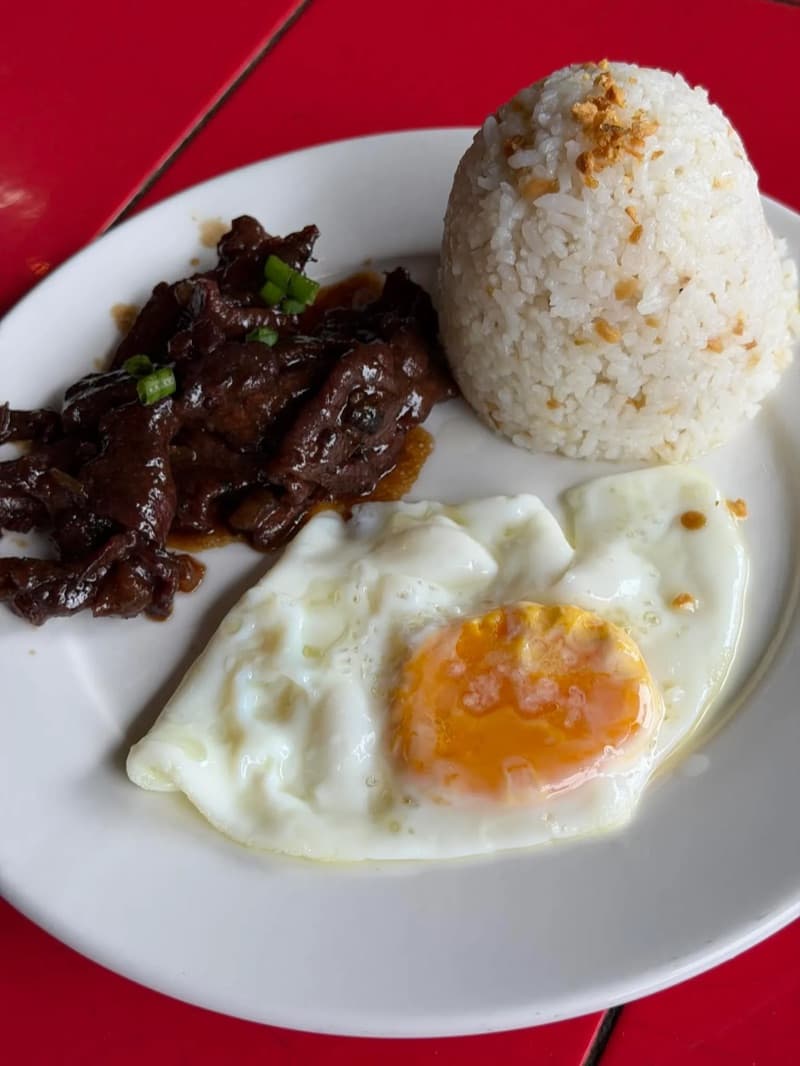
Before
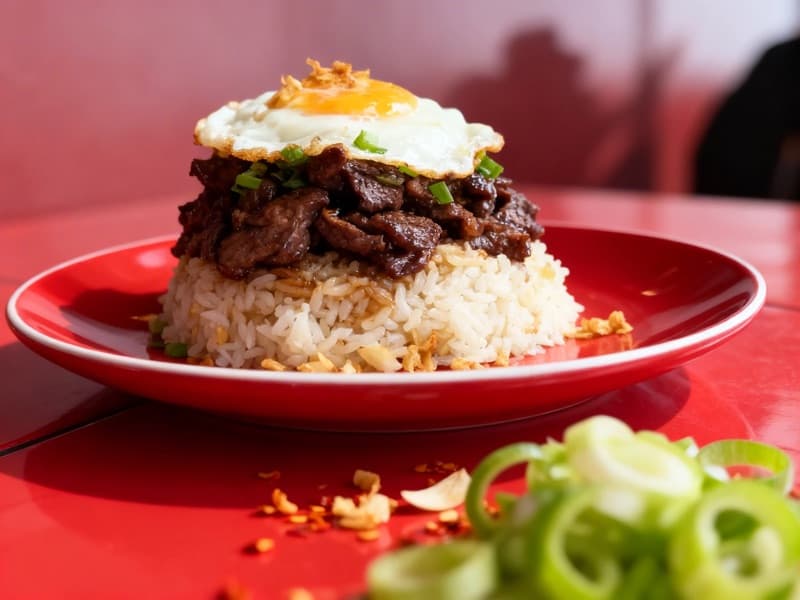
After
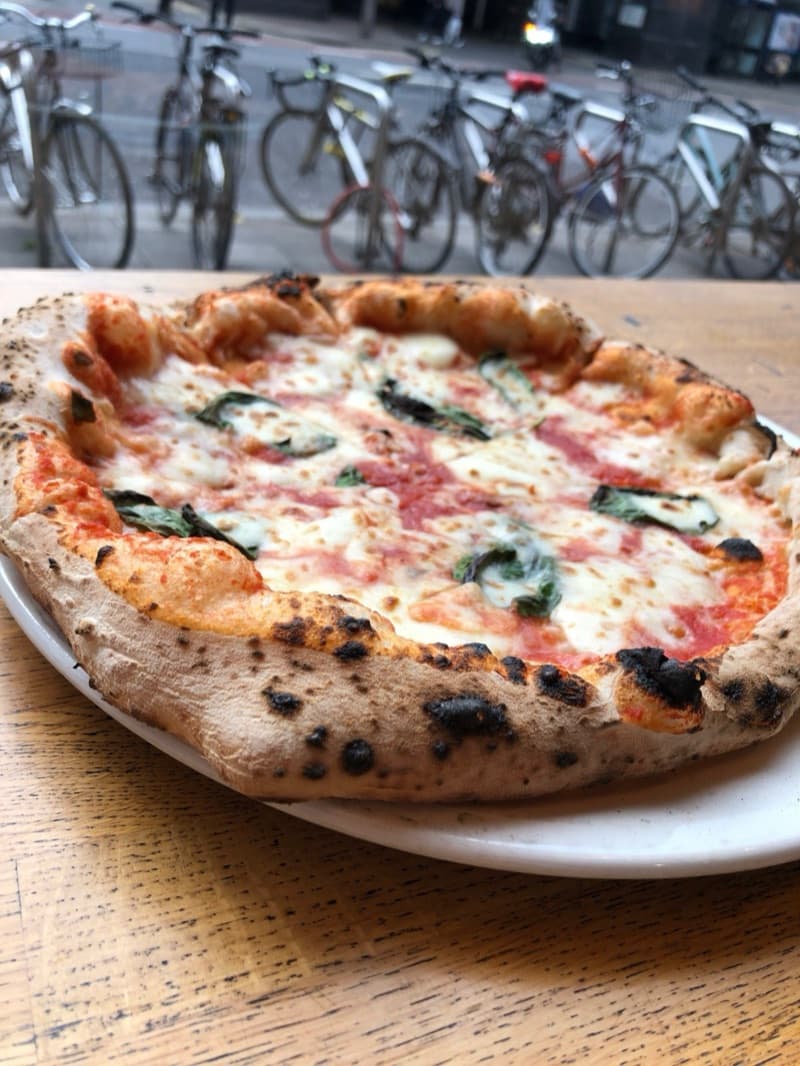
Before
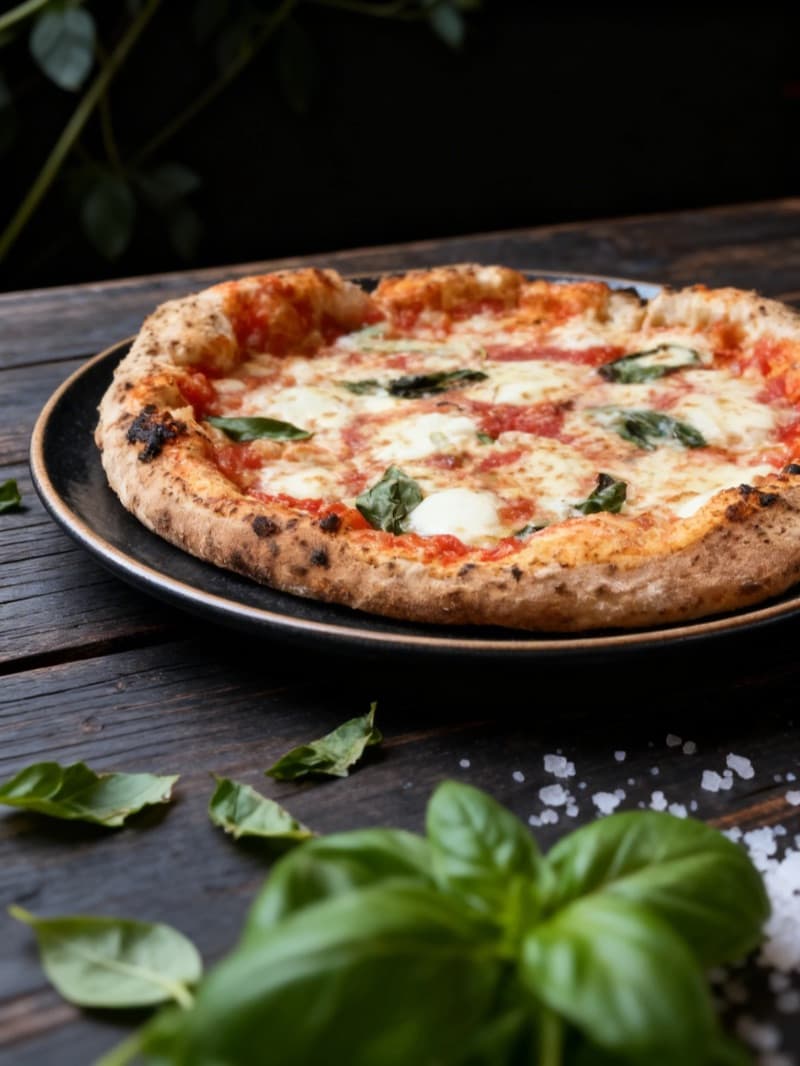
After
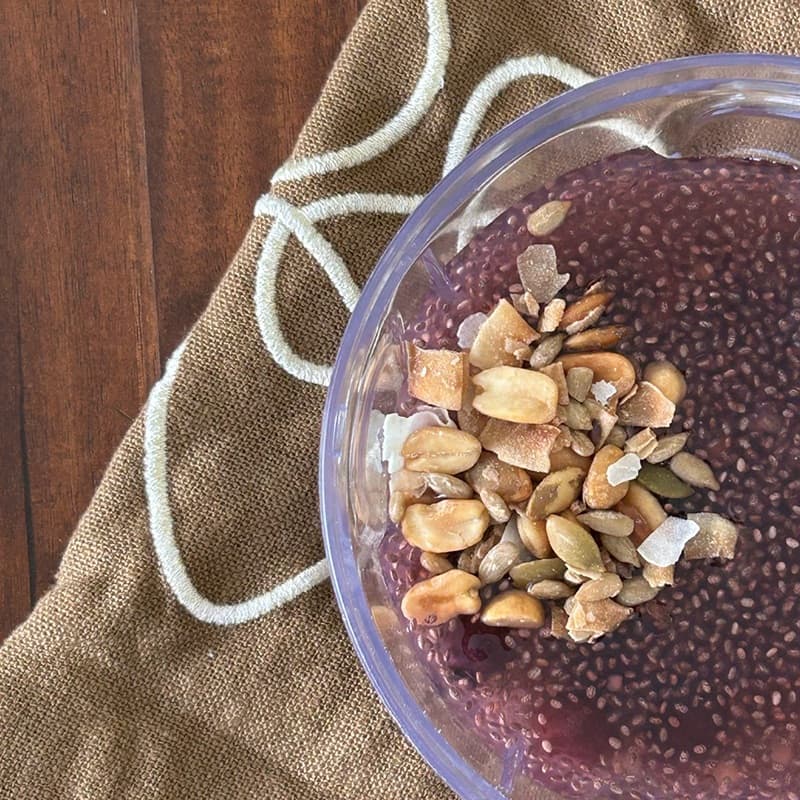
Before
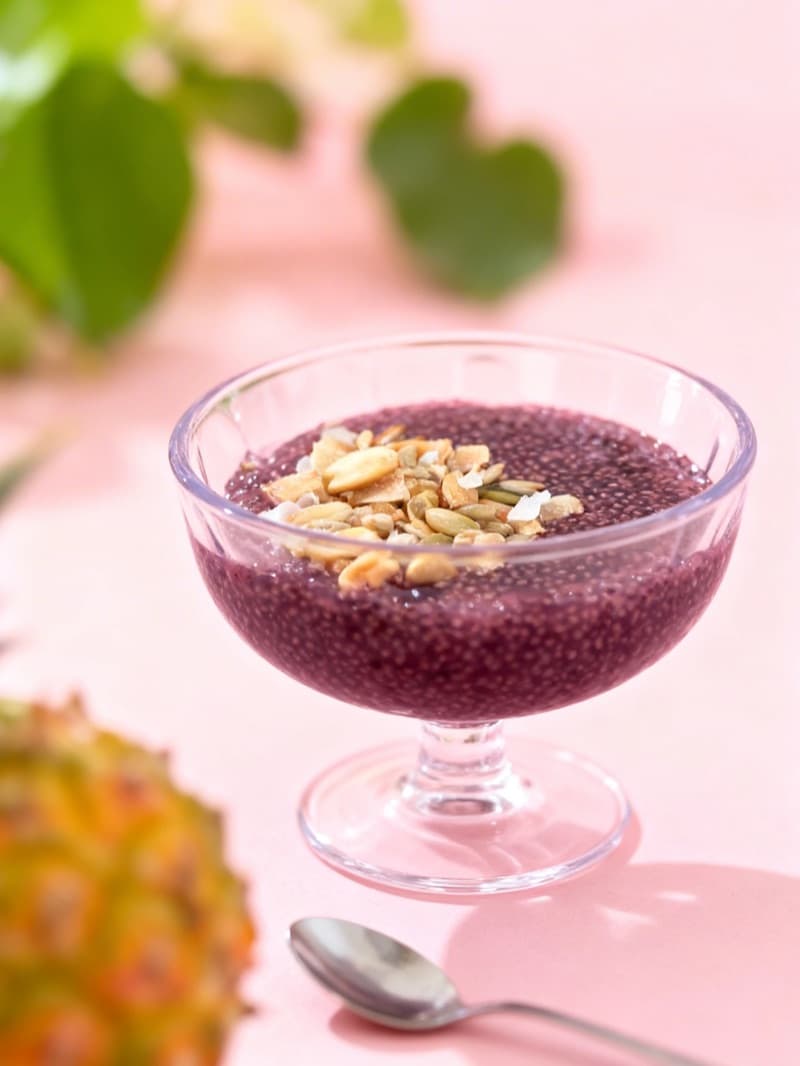
After
| Market share | ~24% of Australian food delivery market (pre-closure) |
|---|---|
| Customers | 3.8 million active customers (at peak) |
| Partners | 30,000+ restaurant partners across AU & NZ (at peak) |
| Commission | 14%-30% (pickup vs. managed delivery) |
| Average order | $39-42 AUD |
| Menu photo | 1024 x 768 pixels (recommended minimum); Landscape preferred (4:3) |
Why Menulog Matters for Your Restaurant
Menulog was Australia's pioneering food delivery platform, founded in Sydney in 2006 by Dan Katz, Leon Kamenev, and Kevin Sherman. After nearly two decades connecting millions of Australians with local restaurants, Menulog ceased operations in Australia on 26 November 2025, following its exit from New Zealand in May 2024. The platform's parent company, Just Eat Takeaway.com, entered into a commercial agreement with Uber Eats to redirect customers, merchants, and couriers to that platform.
At its peak, Menulog partnered with over 30,000 restaurants across Australia and New Zealand, served 3.8 million active customers, and processed more than 15 million online food orders annually. The platform held approximately 24% of the Australian delivery market, trailing Uber Eats at around 54% but maintaining a significant presence ahead of DoorDash at roughly 15%. Just Eat Takeaway acquired Menulog in 2015 for A$855 million, reflecting its dominant position in the Australian market at the time.
While Menulog is no longer accepting orders, the strategies that drove success on the platform remain directly applicable to every major delivery marketplace operating in Australia today. The principles of menu optimisation, professional food photography, customer engagement through loyalty programmes, and algorithmic visibility are universal across Uber Eats, DoorDash, and Deliveroo. Australian restaurant owners who mastered Menulog's tools -- Partner Hub analytics, Promoted Placement advertising, StampCards loyalty, and Performance Score management -- developed skills that transfer seamlessly to competing platforms.
This guide preserves the proven tactics that thousands of Australian restaurants used to grow their Menulog order volume and applies them to the broader delivery landscape. Every recommendation reflects real platform mechanics and Australian market conditions.
How Menulog's Algorithm Ranks Restaurants
Menulog used a dynamic ranking system within its app and website that determined the order in which restaurants appeared when customers searched for food in their area. Like other Just Eat Takeaway platforms worldwide, the algorithm balanced multiple factors to surface restaurants most likely to deliver a positive customer experience. Understanding these mechanics was essential for any restaurant serious about growing its delivery revenue, and the same principles now govern ranking on every major Australian delivery platform.
The ranking system operated in real time, recalculating positions based on live data including customer location, restaurant performance metrics, order history, and promotional activity. When a customer in Surry Hills opened Menulog at 7pm on a Friday, the restaurants they saw first were not the same ones a customer in Parramatta would see at the same moment. Proximity was the anchor, but performance determined who won the top spots within a given delivery zone.
Menulog also provided a new restaurant boost for partners who had recently joined the platform. During the first few weeks, new listings received temporary visibility uplift and a "New" badge that attracted curious customers. This window was critical -- restaurants that launched with complete menus, professional photos, and competitive pricing built the order volume and review base needed to sustain ranking after the boost expired. Those that launched unprepared often struggled to recover visibility once the initial advantage wore off.
A distinctive feature of Menulog's system was the Customer Experience Score, a composite metric visible in Partner Hub that rated your restaurant on a scale toward 100. This score factored in order accuracy, delivery timing, customer ratings, and rejection rates. A minimum score of 25 was required to qualify for Promoted Placement advertising, creating a direct link between operational quality and access to growth tools. The score incentivised consistent excellence rather than occasional peaks.
| Factor | Weight | Details |
|---|---|---|
| Customer Proximity | high | Menulog prioritised restaurants geographically closest to the customer to minimise delivery times and ensure food quality on arrival. This was the single most influential ranking factor and mirrored the approach used by every Australian delivery platform. While location cannot be changed, it underscored why operational speed within your delivery radius mattered enormously for capturing orders from nearby customers. |
| Customer Experience Score | high | Menulog calculated a composite Performance Score displayed in Partner Hub, rating restaurants on a scale toward 100. The score incorporated order accuracy, prep-to-handoff timing, customer ratings, and order rejection rates. Restaurants with higher scores appeared more prominently in search results and qualified for premium tools like Promoted Placement. A minimum score of 25 was required to access Promoted Placement advertising. |
| Customer Ratings & Reviews | high | The overall rating on a Menulog listing was calculated by averaging all customer ratings from the most recent 12 months, ensuring the score reflected current performance rather than historical peaks. Consistently high ratings pushed restaurants above competitors at similar distances. Responding to reviews and addressing negative feedback directly influenced whether dissatisfied customers returned or left permanently. |
| Order Volume & Frequency | medium | Restaurants generating consistent order flow received algorithmic preference because high volume served as a confidence signal that customers valued the offering. New restaurants received a temporary boost and "New" badge to help them accumulate initial data, but sustained ranking required ongoing order momentum. Seasonal drops or temporary closures could cause ranking dips that took weeks to recover. |
| Menu Completeness & Photo Coverage | medium | Menulog rewarded listings where every item had a photo, accurate descriptions, and logical category organisation. Items without images converted at significantly lower rates, dragging down overall storefront performance. The platform recommended adding photos to every item and stated that restaurants with complete visual menus attracted more customer engagement and higher order values. |
| Delivery Time Accuracy | medium | Menulog tracked the gap between estimated and actual delivery times, and restaurants that consistently met or beat their quoted prep times received ranking preference. The system dispatched couriers based on predicted prep completion, so inaccurate time estimates caused cascading delays that hurt both rankings and customer satisfaction. Partners were advised to start preparing fresh food only when the system notified them, not when the order arrived. |
| Promotional Activity | low | Restaurants running promotions, StampCards loyalty offers, or Promoted Placement campaigns received additional visibility within the app. Active promotional engagement signalled to the algorithm that the restaurant was investing in customer acquisition, which correlated with higher relevance scores. This factor was additive rather than required -- strong organic performance without promotions could still achieve high rankings. |
One aspect of Menulog's ranking that distinguished it from some competitors was the transparency of its Customer Experience Score. While platforms like Uber Eats and DoorDash use opaque algorithmic signals, Menulog surfaced a single composite number in Partner Hub that gave restaurant owners a clear benchmark. This score was recalculated continuously, meaning a bad weekend of rejected orders or late deliveries could visibly drop your score within days, while a sustained run of accurate, well-rated orders would gradually lift it.
The practical implication was straightforward: before investing in Promoted Placement or other paid tools, restaurants needed to ensure their Customer Experience Score was healthy. Running ads to drive traffic to a listing with a score below 50 often resulted in poor conversion and wasted spend, because the underlying customer experience was not strong enough to generate repeat orders or positive reviews.
Menulog's algorithm also factored in personalisation for returning customers. If a user had previously ordered from your restaurant, your listing received a boost in their search results. This created a compounding effect where building a loyal customer base through StampCards and consistent quality did not just generate direct repeat orders -- it also trained the algorithm to show your restaurant more prominently to those customers and similar users in your delivery zone. Australian restaurant owners who understood this feedback loop invested heavily in retention tools, knowing that every repeat customer improved both direct revenue and algorithmic visibility.
11 Proven Ways to Increase Your Menulog Orders
1.Build a Complete Partner Hub Listing Before You Go Live
The first and most important step for any restaurant joining a delivery platform is ensuring your listing is fully optimised before your first order arrives. On Menulog, this meant completing every section of Partner Hub -- your restaurant description, opening hours, delivery zones, menu categories, item descriptions, and most critically, menu photography. Restaurants that launched with incomplete listings wasted the valuable new restaurant boost that every platform provides during the first few weeks.
Your restaurant description should communicate your unique selling proposition in the first two sentences. Australian customers scrolling through dozens of options in their suburb need an immediate reason to tap on your listing. Instead of generic copy like "We serve delicious food," specify what makes you different: "Family-owned Thai kitchen in Newtown using imported ingredients from Chiang Mai" or "Wood-fired Neapolitan pizza made with 72-hour fermented dough in Melbourne's inner west."
Menu organisation directly impacts conversion. Structure your categories with your best-selling items in the first visible section, labelled something inviting like "Most Popular" or "Customer Favourites." Customers on delivery platforms typically decide within 30 seconds whether to order from your restaurant, and the items visible without scrolling receive disproportionately more orders. Place high-margin combos and bundles prominently rather than burying them in a "Specials" category at the bottom.
Delivery zone settings deserve careful attention. Setting your radius too wide means longer delivery times, colder food, and lower ratings. Setting it too narrow means missing customers who would happily order from you. Analyse your kitchen's capacity during peak periods and set a delivery radius that allows you to consistently deliver within your quoted time. In Australian cities, a 3-5 kilometre radius is typical for suburban restaurants, while CBD locations often work with tighter 2-3 kilometre zones due to traffic.
Opening hours should match real demand patterns. If your kitchen closes at 9pm but local delivery demand peaks at 9:30pm, extending your hours by 30-45 minutes captures orders your competitors are turning away. Use Partner Hub analytics to identify when customer demand in your area exceeds available restaurant supply -- these are the windows where extending hours generates the highest return.
Every element of your listing works together. A compelling description attracts the click, professional photos convert the browse into an order, logical menu organisation increases basket size, and accurate delivery zones ensure a positive experience that generates the reviews needed to sustain your ranking.
2.Add Professional Photos to Every Menu Item
On delivery platforms, customers cannot smell your food, see your kitchen, or watch dishes being plated. Photography is the only sensory input available, making it the single most important conversion factor after price. Industry data consistently shows that menu items with professional photographs generate significantly more orders than items without images. Menulog's own partner guidelines urged restaurants to add images to every dish, stating it was "a great way to optimise your listing and make your menu more appealing to customers."
Menulog enforced specific photo guidelines that mirrors what every Australian delivery platform requires today. Photos must show your actual products -- stock images, illustrations, and AI-generated imagery were explicitly rejected. Each image should feature a single menu item, not a table spread or a combination of dishes. The background should be clean and neutral, such as a plain table or plate, with no distracting elements like dirty dishes, packaging, or kitchen clutter.
Lighting is where most Australian restaurant owners struggle. The typical fluorescent lighting in commercial kitchens creates unflattering colour casts and harsh shadows. Position dishes near a window for natural light, or invest in a basic two-light softbox setup for A$80-120 from retailers like Hypop. Shoot during daylight hours when natural light is strongest. Never use your phone's built-in flash, which flattens the food and creates an unappealing washed-out look.
Composition matters beyond the technical requirements. Ensure the quantity shown matches your menu listing -- if you sell "Spring Rolls 2 Pieces," show exactly two spring rolls. Fill the frame with the food item, leaving minimal dead space. Shoot from a 45-degree angle for items with height (burgers, stacked dishes) and from directly above for flat items (pizza, sushi platters).
For header images on your restaurant listing, Menulog recommended including a minimum of five products tastefully composed with the largest item centred. Use a clean, plain background with neutral colours that complement the bright colours of your food. This hero image is the first thing customers see when browsing, and it determines whether they tap through to your menu or scroll to a competitor.
Once uploaded through Partner Hub, photos were submitted for review, with approval typically completed within five business days. This meant planning ahead -- uploading photos on a Monday could mean waiting until the following week before they appeared on your live listing. Prioritise your top-selling items first, then systematically work through the rest of your menu. AI-powered photo enhancement tools like MenuPhotoAI can transform basic smartphone food photos into professional-quality images that meet platform standards, saving Australian restaurants the A$400-800 cost of a professional food photography session.
40%[5]
More likely to click a listing when menu items have photos
3.Use StampCards to Build a Loyal Customer Base
StampCards was Menulog's built-in loyalty programme and one of the most underutilised growth tools on the platform. The concept was simple: customers collected a stamp for every order they placed with your restaurant, and after five stamps, they received a discount reward equal to 15% of the combined value of all five orders. The reward was issued as a credit and redeemed automatically on the customer's sixth order, creating a powerful incentive loop that drove repeat purchasing.
The psychology behind StampCards leveraged what behavioural economists call the "goal gradient effect" -- people who feel they are making progress toward a reward accelerate their efforts to reach it. After placing two or three orders and seeing stamps accumulate, customers became significantly more likely to choose your restaurant again over competitors because they were invested in reaching the five-stamp milestone. This made StampCards one of the most cost-effective customer retention tools available to Australian restaurant owners.
To activate StampCards, partners simply selected the programme via Partner Hub, reviewed the terms, and enabled it. Menulog handled all the customer-facing mechanics -- emailing stamp progress updates, sending recommendations, and issuing reminders when customers were close to earning their reward. The value of the customer's basket had to exceed the discount amount for the reward to apply; otherwise, the credit carried over to a future order.
The strategic value of StampCards extended beyond direct retention. Every repeat order generated by the programme reinforced your algorithmic ranking because order frequency and customer loyalty are signals that every delivery platform algorithm interprets as quality indicators. A customer who orders from you five times tells the algorithm that your restaurant reliably delivers a positive experience, which in turn increases your visibility to similar customers in your area.
For maximum impact, promote your StampCards participation in your restaurant description and consider mentioning it on packaging inserts. Many successful Menulog partners included a small card in every delivery bag saying "You are earning stamps on Menulog! Order again to unlock your 15% reward." This reinforced the programme to customers who might not have noticed the digital stamp tracking in the app.
The StampCards model is now replicated across other delivery platforms. Uber Eats and DoorDash both offer similar loyalty and repeat-order incentive tools in the Australian market. Restaurant owners who built retention strategies on Menulog can apply the same principles to loyalty programmes on whichever platform they migrate to.
15%[4]
Discount reward after five orders via StampCards loyalty programme
4.Invest in Promoted Placement for Top Search Visibility
Promoted Placement was Menulog's native advertising product, and it remains one of the clearest examples of how paid visibility works on delivery platforms. When a restaurant activated Promoted Placement, its listing appeared in one of the top five search positions on the Menulog app or website for selected suburbs, tagged with a "Promoted" label. The pricing model was cost-per-click (CPC), meaning restaurants only paid when a customer actually clicked on their listing -- impressions alone were free.
The CPC model made Promoted Placement accessible to restaurants of all sizes because you could set a weekly spend limit that matched your budget. A small fish-and-chip shop in Geelong might set a A$50 weekly cap, while a busy Thai restaurant in Sydney's CBD might allocate A$200 per week. The price per click was dynamic, varying based on competition in your area, time of day, and demand levels. Menulog provided a "Promoted Placement Insights" dashboard that let businesses track campaign performance, giving visibility into click-through rates, resulting orders, and return on ad spend.
The critical prerequisite was your Customer Experience Score. Menulog required a minimum score of 25 to qualify for Promoted Placement, ensuring that restaurants advertising to customers could actually deliver a satisfactory experience. This was a smart design choice that every delivery platform now implements in some form -- there is no point driving traffic to a listing that will generate poor reviews and cancellations.
Before spending on Promoted Placement, optimise your listing first. A customer who clicks on your promoted listing and sees a menu without photos, a low rating, or limited opening hours is unlikely to convert. The click costs you money regardless of whether the customer orders. Australian restaurants that achieved the highest return on Promoted Placement followed a specific sequence: perfect the listing, build the Customer Experience Score above 50, then activate paid placement to amplify an already-strong storefront.
Target your Promoted Placement to specific suburbs where you deliver reliably. Rather than promoting across your entire delivery radius, focus on the two or three postcodes that generate your highest order volume and have the shortest delivery times. This concentrated approach improves both click-to-order conversion (because you deliver quickly to these areas) and customer satisfaction (because food arrives in optimal condition).
Monitor your campaign weekly using the Insights dashboard. If your cost per acquisition exceeds your margin on an average order, pause the campaign and troubleshoot. Common fixes include narrowing your suburb targeting, improving your menu photos, or running a concurrent promotional offer that gives clicked-through customers an additional incentive to order.
Top 5[6]
Search positions for restaurants using Promoted Placement
5.Get Your Delivery Timing Right to Protect Your Score
Delivery timing was one of the most heavily weighted factors in Menulog's Customer Experience Score, and it remains critical on every delivery platform operating in Australia. Menulog's system was designed so that when everything went to plan, there was perfect timing between the order being ready and the delivery driver arriving to pick it up. The system analysed data points about your listing to determine when you should start cooking, and restaurants were explicitly told not to start preparing fresh food before receiving this notification.
This instruction was counterintuitive for many restaurant owners. The natural instinct when an order arrives is to start cooking immediately, but on a platform with managed delivery, starting too early means the food sits waiting for the courier, cooling down and losing quality. Starting too late means the courier waits at your restaurant, the customer receives a later-than-expected delivery, and your timing metrics suffer. The sweet spot was following the system's prompt to begin preparation, trusting that the algorithm had calculated courier arrival based on traffic, distance, and your historical prep times.
For restaurants using self-delivery rather than Menulog's courier network, timing management was even more critical because you controlled the entire chain. Set your quoted delivery times conservatively -- it is far better to promise 40 minutes and deliver in 35 than to promise 25 minutes and deliver in 40. Australian customers consistently rate early deliveries positively and late deliveries negatively, with the penalty for lateness significantly exceeding the reward for earliness.
During peak periods such as Friday and Saturday evenings, consider temporarily increasing your quoted prep time or reducing your delivery radius. A restaurant in Melbourne's inner suburbs that normally delivers within a 5km radius might tighten to 3km during a Saturday night rush, ensuring every order within that zone arrives on time. This is preferable to accepting orders from outer suburbs that you cannot fulfil within the estimated window.
Track your timing performance in Partner Hub's reporting section. The analytics showed your average prep time, delivery time, and how these compared to similar restaurants in your area. If your delivery times were consistently five minutes longer than competitors in the same cuisine category, that single metric could suppress your entire ranking. Australian restaurants that reviewed this data weekly and made adjustments -- whether staffing up for busy periods, streamlining their kitchen workflow, or adjusting delivery zones -- consistently maintained stronger Customer Experience Scores.
Order rejection is the most damaging timing-related action. Rejecting an order after it has been placed devastates your Performance Score because the customer has already committed to ordering from you. If you know your kitchen is overwhelmed, temporarily close your listing rather than accepting and then rejecting orders. A planned closure is invisible to the algorithm, while a rejected order is a permanent black mark.
100[7]
Target Customer Experience Score in Partner Hub (scale to 100)
6.Layer Multiple Promotional Tools During Off-Peak Hours
Menulog offered Australian restaurants a suite of promotional tools through Partner Hub, and the most successful operators layered multiple offers during strategic time windows rather than running a single blanket discount. The available tools included percentage-off discounts, single item discounts, free delivery offers, and the StampCards loyalty programme. Each served a different purpose, and combining them during off-peak hours maximised incremental revenue without eroding margins during your busiest periods.
Single item discounts were particularly effective because they let you choose exactly which item to discount and by how much, rather than applying an offer across your entire menu. The strategic use was to discount a high-margin signature item that introduced new customers to your restaurant. A Thai restaurant might discount their pad thai by 20% -- their most popular dish with strong margins -- knowing that first-time customers who try it are likely to return and order at full price. The discount served as a customer acquisition cost rather than a permanent price reduction.
Free delivery offers removed the most common friction point in the ordering process. Delivery fees were consistently cited as the primary reason Australian customers abandoned their carts before completing an order. By absorbing the delivery fee during your slowest periods -- typically Tuesday and Wednesday evenings, or the mid-afternoon window between 2pm and 5pm -- you converted price-sensitive browsers into paying customers at a relatively low cost, since delivery fees in Australian cities typically ranged from A$3 to A$8.
The key principle was timing. Running promotions during your Friday dinner rush discounted orders you would have received anyway, directly eroding your margins. Instead, use Partner Hub's Live Reporting to identify your actual off-peak hours -- the specific days and times when your order volume drops below your kitchen's capacity. These are the windows where promotional spend generates genuinely incremental orders.
Layer your promotions strategically. During a slow Tuesday evening, combine a single item discount on your signature dish with free delivery. A customer browsing sees two incentives simultaneously, significantly increasing the probability of conversion compared to either offer alone. The combined cost might be A$8-12 per order (the delivery fee plus the item discount), but if that order brings in A$35-45 in revenue with a 65% gross margin, the promotion generates profit even after accounting for the incentive cost.
Track promotion performance using the analytics in Partner Hub. Compare order volume during promotional periods against your baseline for the same time slot. If a promotion generates ten incremental orders over a Tuesday evening, calculate whether the margin on those orders exceeds the total discount cost. When structured correctly, off-peak promotions should be margin-positive while simultaneously building the order volume that strengthens your algorithmic ranking.
A$3-8[3]
Typical delivery fee range -- absorbing this removes the #1 cart abandonment factor
7.Actively Manage Your Ratings and Reviews
Menulog calculated your overall listing rating by averaging all customer ratings from the most recent 12 months, ensuring the score reflected your current performance rather than historical peaks or anomalies. This rolling window meant that a string of negative reviews could quickly erode a rating that took months to build, while sustained improvement in quality would gradually lift your score as older reviews aged out.
The most impactful action Australian restaurant owners could take was responding to every review. Engaging with customer feedback -- both positive and negative -- demonstrated that your restaurant was actively managed and responsive. For positive reviews, a personalised thank-you reinforced the customer's decision to order from you and increased the likelihood of a repeat order. For negative reviews, a specific acknowledgment of the issue and a description of corrective action taken showed potential new customers that you take quality seriously.
Negative reviews followed predictable patterns on Menulog. The most common complaints were missing items, incorrect orders, food arriving cold, and delivery taking longer than estimated. Each of these is an operational issue with a specific fix. Missing items: implement a double-check packing station where a designated staff member verifies every order against the ticket. Incorrect orders: introduce a labelling system for customised items. Cold food: invest in insulated delivery bags and heat-retaining containers. Late delivery: adjust your quoted prep times and delivery radius.
Menulog surfaced item-level feedback alongside overall restaurant ratings. If a specific dish consistently received negative ratings, it was dragging down your entire score. Rather than defending a problematic menu item, consider reformulating the recipe, adjusting the portion size, improving its packaging for delivery, or removing it entirely. One poorly-rated item generating three complaints per week can offset dozens of positive reviews on other items.
For Australian restaurants, packaging deserves special attention in the context of ratings. Australia's climate -- particularly during summer months -- means food travelling even short distances in a delivery bag can arrive at significantly different temperatures than intended. Invest in containers appropriate for your cuisine: insulated foil containers for hot items, sealed containers with ice packs for cold items, and sturdy boxes that prevent movement during transit. Many successful Menulog partners invested A$0.30-0.50 per order in upgraded packaging and saw their ratings improve by 0.2-0.3 stars, which translated into meaningful ranking improvements.
Set a daily routine for review management. Allocate 10-15 minutes each morning to read and respond to all reviews from the previous day. Consistent, timely responses compound over weeks and months into a significantly better rating profile that drives higher visibility and more orders.
12 months[7]
Rolling window used to calculate your Menulog listing rating
8.Structure Your Menu to Increase Average Order Value
Average order value (AOV) is one of the most important metrics for profitability on delivery platforms because higher-value orders generate more absolute margin even at the same commission percentage. Menulog's own partner resources advised restaurants to boost the value of online orders through strategic menu design, and the principles apply identically to every Australian delivery platform today.
The most effective AOV strategy is adding modifier groups to every applicable menu item. A burger listing should include options for "Add cheese" (A$1.50), "Premium toppings" (A$2-3 each), "Make it a meal" (A$5.99 for chips and a drink), and "Upgrade to sweet potato chips" (A$1.50). Each modifier is a micro-upsell that most customers engage with because they want to customise their meal. Include at least one free option in each modifier group to encourage interaction -- once customers start customising, they are significantly more likely to add paid upgrades.
Combo meals and bundles belong in the first category on your menu. Create packages that group a main item with a side and drink at a slight discount compared to ordering individually. If your most popular items are a chicken schnitzel (A$18), chips (A$6), and a can of drink (A$3.50), create a "Chicken Schnitty Combo" for A$24.50 -- saving the customer A$3 while increasing your total order value from the A$18 they might have spent on just the main. Name your first category "Popular Combos" or "Best Value" to signal that these are the recommended options.
Menu item pricing on delivery platforms requires a different approach than dine-in pricing. Factor in the commission -- at 14-30% on Menulog -- and adjust your delivery menu prices upward by 10-15% compared to your dine-in menu. Most Australian customers understand that delivery pricing includes platform costs, and a transparent approach (mentioning slightly higher delivery prices in your restaurant description) is better than receiving complaints about price differences.
Item descriptions that mention specific ingredients and preparation methods increase conversion. Instead of "Beef Burger," write "Grass-fed Angus beef patty with smoked cheddar, house-made pickles, and our signature smoky aioli on a brioche bun." Descriptive names create perceived value that justifies higher prices and encourages customers to add premium modifiers.
Cross-selling through strategic menu placement also lifts AOV. If analytics show that customers who order your pad thai frequently add spring rolls, position spring rolls directly below pad thai in your menu, or create a modifier group that suggests them. Menulog's Partner Hub analytics showed which items were most frequently ordered together, giving you data to create bundles and modifiers that formalised natural purchasing patterns.
Track your AOV weekly in your platform analytics and compare it to the category average for your cuisine type in your delivery zone. If your AOV is below the zone average, you are likely losing visibility to competitors with higher basket sizes, because platforms generally favour restaurants that generate higher total order values per transaction.
A$39-42[1]
Average Menulog order value -- structure your menu to match or exceed this benchmark
9.Choose the Right Delivery Model for Your Business
Menulog offered Australian restaurants a choice that most delivery platforms continue to provide: use the platform's managed courier network or handle delivery yourself. This decision significantly impacted both your commission rate and your control over the customer experience, and getting it right was one of the highest-leverage choices a restaurant owner could make.
Self-delivery on Menulog carried a lower commission rate, typically around 14% for pickup and collection orders, compared to 25-30% when using Menulog's managed delivery network. The commission savings were substantial -- on a A$40 order, the difference between 14% and 30% is A$6.40 per order, which adds up to thousands of dollars monthly for a busy restaurant. However, self-delivery required maintaining your own driver fleet, managing insurance, and handling the logistics of route optimisation and driver scheduling.
For restaurants already operating their own delivery -- such as pizza shops, Chinese takeaways, and Indian restaurants that have historically offered delivery -- self-delivery on a platform was almost always the right choice. You were already bearing the cost of drivers and vehicles, and the lower commission rate made platform orders meaningfully more profitable. The trade-off was full accountability for delivery timing, food temperature, and driver professionalism, all of which directly impacted your ratings.
Managed delivery through Menulog's courier network made sense for restaurants without existing delivery infrastructure, particularly those in dense urban areas where the platform had strong courier coverage. In Sydney, Melbourne, and Brisbane CBDs, couriers were typically available within minutes, making managed delivery reliable during peak hours. The higher commission covered a genuine operational cost -- you did not need to hire, train, or insure delivery staff.
A hybrid approach worked well for many Australian restaurants. Use managed delivery during peak hours when your own drivers might be stretched thin, and switch to self-delivery during off-peak periods when courier availability can be unreliable and your own staff have capacity. Menulog allowed restaurants to toggle between models, and this flexibility meant you could optimise for cost during slow periods and reliability during rushes.
Consider the lifetime value calculation. If self-delivery saves you A$6 per order but results in 10% more delivery complaints due to less reliable service, the savings may be illusory. Track your customer ratings separately for self-delivered and platform-delivered orders to understand which model actually produces better outcomes for your specific operation. In regional Australian towns where courier coverage was limited, self-delivery was often the only viable option -- and restaurants that invested in reliable delivery infrastructure gained a competitive advantage over those relying on inconsistent courier availability.
The delivery model choice also affected your listing's appeal to customers. Menulog displayed estimated delivery times prominently, and restaurants using managed delivery often showed faster estimates because the platform optimised courier dispatch. Self-delivery restaurants needed to ensure their quoted times were competitive, which meant investing in efficient dispatch processes.
14%[3]
Typical commission rate for self-delivery/pickup orders vs. 25-30% for managed delivery
10.Use Partner Hub Analytics to Find and Fix Revenue Leaks
Menulog's Partner Hub included a Live Reporting function that provided real-time performance data, and most restaurant owners either ignored it entirely or checked it only when something went wrong. The restaurants that consistently grew their order volume on the platform were those that treated analytics as a weekly operational practice, not an occasional troubleshooting exercise.
The Live Reporting dashboard showed your Performance Score, listing status, order and revenue data, busiest days, busiest postcodes, and top-performing menu items. Each of these data points could drive a specific optimisation. Your busiest postcode told you where to target Promoted Placement campaigns. Your top-performing items told you what to feature in your first menu category and which items to build combo meals around. Your busiest days told you when your kitchen needed maximum staffing and when you had capacity to run promotions.
Start with the Performance Score trend line. If your score has been declining over the past month, something operational has changed -- perhaps a new staff member is causing more order errors, or a kitchen equipment issue is slowing prep times. Identify the specific metric dragging your score down (accuracy, timing, ratings) and address it before it compounds into a ranking decline.
Revenue analysis in Partner Hub revealed your effective margin on Menulog orders. Track your gross order value, subtract commission and any promotional costs, and calculate your net revenue per order. If your average order generates A$40 in gross revenue with a 25% commission, your net platform revenue is A$30 per order. Subtract your food cost (typically 28-32% for Australian restaurants) and packaging (A$1-2 per order), and you arrive at your contribution margin per delivery order. If this number is negative or thin, you need to either increase your AOV through bundles and modifiers or raise your delivery menu prices.
The busiest-day data is particularly valuable for staffing decisions. If Partner Hub shows that Sunday evenings generate 40% more orders than Monday evenings, allocate your kitchen staff accordingly. Many Australian restaurants operate with the same staffing levels across the week, which means they are understaffed during peaks (causing delays and errors) and overstaffed during troughs (eroding profitability).
Item-level data reveals your menu's conversion performance. Every item has an implicit view-to-order conversion rate. Items with high views but low orders have a presentation problem -- typically a missing photo, an unappealing description, or pricing that feels too high. Items with low views but high conversion are hidden gems that deserve better placement. Reorganise your menu categories based on this data quarterly, moving high-performers to more prominent positions.
Set a weekly 15-minute analytics review routine. Every Monday morning, open Partner Hub and check your Performance Score, weekly revenue, and any items with declining order counts. This small time investment compounds into significantly better performance over months, because you catch and fix issues before they become entrenched problems.
11.Transition Your Menulog Success to Other Australian Platforms
With Menulog's closure in November 2025, Australian restaurant owners who built thriving delivery businesses on the platform face a strategic decision about where to redirect their efforts. The good news is that the skills, systems, and practices that drove Menulog success transfer directly to Uber Eats, DoorDash, and Deliveroo -- the three major platforms now serving the Australian market. Uber Eats, which absorbed many Menulog merchants through a migration agreement with Just Eat Takeaway, is the natural starting point for most operators.
Begin by auditing what worked on Menulog. Export or screenshot your Partner Hub analytics before the data becomes inaccessible. Document your top-performing menu items, best-selling postcodes, peak ordering hours, and average order value. This historical data is invaluable for configuring your new platform listings because it tells you exactly what Australian customers in your area want, when they want it, and how much they spend.
When setting up on Uber Eats, DoorDash, or Deliveroo, do not simply replicate your Menulog listing. Each platform has different photo specifications, menu organisation conventions, and promotional tools. However, the underlying principles are identical: lead with professional photos on every item, structure your menu with best-sellers and combos first, set delivery zones that match your realistic capacity, and quote conservative prep times.
Your Menulog photography assets can be repurposed across platforms, but you may need to adjust dimensions and aspect ratios. Uber Eats requires a 5:4 aspect ratio with a minimum of 1200x800 pixels. DoorDash prefers square images. Deliveroo has its own specifications. AI-powered tools like MenuPhotoAI can batch-process your existing photos to meet each platform's requirements, saving you from reshooting your entire menu.
Multi-platform presence is now essential for Australian restaurants. With Menulog gone, the market has consolidated around fewer options, and being present on at least two platforms maximises your exposure. Many successful restaurants operate on all three major platforms, adjusting their promotional strategies to leverage each platform's unique strengths: Uber Eats for its massive customer base and Uber One subscribers, DoorDash for its DashPass members, and Deliveroo for its premium customer demographic.
The operational infrastructure you built for Menulog -- order management tablets, packaging systems, kitchen workflows for delivery prep -- transfers seamlessly. The main adjustment is learning each new platform's partner dashboard and promotional toolkit. Invest time during your first two weeks on each platform to fully explore the analytics, advertising, and promotional features available. The Australian delivery market is more competitive post-Menulog, but restaurants that bring optimised operations and data-driven decision-making from their Menulog experience have a significant advantage over operators joining delivery for the first time.
Better menu photos from your own phone photos
MenuPhotoAI turns a photo of your own dish into a professional menu image in minutes. You decide where to use it. Start with 5 free photos (watermarked), no credit card required.
Try MenuPhotoAI FreeMenulog Photo Requirements
| Minimum resolution | 1024 x 768 pixels (recommended minimum) |
| Aspect ratio | Landscape preferred (4:3) |
| Max file size | 5MB |
| Accepted formats | JPEG, PNG |
| Photos per item | 1 per menu item |
| Hero/cover image | Minimum 5 products composed with largest item centred |
All photos must be actual photographs of your real products. No stock images, illustrations, AI-generated images, or screenshots. No people, hands, cutlery, or storefronts. No logos, text, or watermarks unless on product packaging. Clean, neutral background required. Single item per photo for item images. Header images should feature minimum 5 products. Photos submitted for review with approval within 5 business days.
On delivery platforms like Menulog, photography was the primary driver of customer engagement and conversion. Customers scrolling through dozens of restaurant listings in their suburb made split-second decisions based on visual appeal, and restaurants without photos were effectively invisible in a competitive market. Menulog's own partner resources stated that adding images was "a great way to optimise your listing and make your menu more appealing to customers," and the platform reported that listings with complete photo coverage attracted significantly more clicks and orders.
Menulog enforced content guidelines that reflected best practices across all Australian delivery platforms. Every image had to be an actual photograph of your real product -- stock photography, illustrations, graphics, and screenshots were explicitly rejected during the review process. Photos could not include people, hands, cutlery, or storefront images. The food itself had to be the hero, set against a clean, neutral background like a plain table, plate, or counter surface.
The most common reason photos were rejected was poor lighting. Australian restaurant kitchens typically use fluorescent overhead lighting that creates harsh shadows and unflattering colour casts. The fix is straightforward: position dishes near the largest window in your venue during daylight hours. If natural light is not available, a basic two-light softbox kit from Australian retailers like Hypop costs A$80-120 and produces professional results. The key is diffused, even lighting that eliminates harsh shadows and accurately represents the colours of your food.
For individual menu items, each photo should show only the item it will be attached to. A photo for "Chicken Parma" should show a single chicken parmigiana, not a chicken parma alongside chips and salad -- those should have their own separate images. Ensure the quantity matches the listing: if you sell "Dumplings 6 Pieces," show exactly six dumplings. Fill the frame with the food, leaving minimal empty space around the edges.
Header images for your restaurant listing followed different rules. Menulog recommended a minimum of five products arranged tastefully with the largest item positioned in the centre. The background should be clean and neutral, using colours that complement rather than compete with the vibrant colours of your food. This hero image appeared in search results and was the single most important visual asset for driving click-through to your menu.
The photo review process on Menulog took up to five business days, which meant planning was essential. Upload new photos early in the week to avoid gaps in coverage over weekends. For Australian restaurant owners managing tight budgets, AI-powered photo enhancement tools like MenuPhotoAI offer a practical alternative to professional photography sessions, transforming smartphone food photos into platform-ready images at a fraction of the cost of hiring a food photographer.
40%[5]
More likely to click a listing when menu items have professional photos
Menulog Promotion Tools
Promoted Placement
CPC model (pay only when clicked); set a weekly spend limit. Dynamic pricing per click based on competition, time, and demand. Billed in arrears based on unique click-throughs.Pay-per-click advertising that placed your restaurant in the top 5 search positions for selected suburbs. Tagged as "Promoted" in results. Included a Promoted Placement Insights dashboard for tracking campaign performance. Required a minimum Customer Experience Score of 25 to qualify.
Percentage-Off Discounts
Restaurant-funded; you absorb the discount on each qualifying order.Storewide percentage discount applied to all orders (e.g., 20% off). Appeared as a tag on your restaurant listing in search results and browse feeds. Could be scheduled for specific days and time windows to target off-peak periods.
Single Item Discounts
Restaurant-funded; you set the discount amount per item.Targeted discounts on specific menu items rather than the entire menu. Ideal for promoting signature dishes, driving trial of new items, or clearing excess inventory on specific ingredients. Gave restaurants precise control over which items to discount and by how much.
Free Delivery Offers
Restaurant-funded; you pay the delivery fee on behalf of the customer (typically A$3-8 per order depending on distance).Removed the delivery fee for customers ordering from your restaurant. Delivery fees were the primary cause of cart abandonment on Australian delivery platforms. Particularly effective during off-peak hours when incremental orders justified absorbing the fee.
StampCards Loyalty Programme
Restaurant-funded; you absorb the 15% discount on the sixth (reward) order. Effectively spreads the discount cost across six orders.Built-in loyalty system where customers earned a stamp per order. After five stamps, they received a 15% discount reward (calculated on the sum of all five orders) automatically applied to their sixth order. Menulog managed all customer communications including stamp progress emails and reminders.
Menulog Plus (Customer Membership)
No direct cost to restaurants; Menulog subsidised the delivery fees for Menulog Plus members.Customer-facing membership programme offering 90 days of unlimited free delivery on orders over A$20 for a one-time payment of A$10. Restaurants benefited from increased order frequency from subscribers without bearing the delivery fee cost. No subscription or auto-renewal for customers.
Common Mistakes to Avoid
Launching Without Complete Menu Photography
Many Australian restaurants activated their Menulog listing with few or no photos, wasting the valuable new restaurant boost that the platform provided during the first weeks. Without images, click-through rates were significantly lower, meaning the algorithmic boost period generated fewer orders and reviews than it should have. Every listing should have photos on 100% of menu items before going live.
Setting Delivery Zones Too Wide for Your Kitchen Capacity
Restaurants eager to reach more customers often set delivery radiuses of 8-10 kilometres or more. In Australian cities with variable traffic conditions, this led to long delivery times, cold food on arrival, and poor ratings. A tighter zone of 3-5 kilometres with fast, consistent delivery generates better reviews, higher repeat order rates, and stronger algorithmic ranking than a wide zone with unreliable service.
Ignoring the Customer Experience Score Until It Drops
Many restaurant owners only checked their Performance Score when they noticed a decline in orders. By that point, weeks of accumulated issues had already suppressed their ranking. Regular weekly monitoring catches problems early. A score declining from 72 to 65 is easier to fix than one that has already dropped from 65 to 35, because the ranking impact compounds over time.
Running Promotions During Peak Hours
Offering discounts during Friday and Saturday dinner rushes discounted orders that would have come in at full price. Target promotions for genuinely slow periods -- Tuesday and Wednesday evenings, mid-afternoon slots, or early lunch hours. Use Partner Hub analytics to identify the specific time windows where your order volume drops below kitchen capacity.
Starting Food Preparation Before the System Notification
Menulog explicitly advised restaurants not to start preparing fresh food until the system notification told them to begin. Preparing food too early meant it sat cooling while waiting for the courier, resulting in lower food quality on arrival and worse customer ratings. Following the system timing ensured food was fresh when the courier arrived.
Using the Same Prices as Your Dine-In Menu
Platform commissions of 14-30% significantly reduce margins if dine-in prices are used for delivery. Most Australian restaurants need to increase delivery menu prices by 10-15% to maintain acceptable margins. Customers generally understand that delivery pricing includes platform costs, and transparent communication about the difference prevents negative reviews.
Not Responding to Customer Reviews
Leaving reviews unanswered -- especially positive ones -- missed the opportunity to reinforce customer loyalty and encourage repeat orders. A personalised response to a 5-star review takes 30 seconds and significantly increases the probability that the customer will order again. Batch-responding to all reviews each morning should be a daily operational habit.
Rejecting Orders Instead of Temporarily Closing the Listing
Order rejections were among the most damaging actions for your Performance Score on Menulog. When your kitchen is overwhelmed, temporarily closing your listing is far less harmful than accepting orders and then rejecting them. A planned closure is invisible to the algorithm; a rejected order is a permanent mark against your quality metrics.
Your Action Checklist
Listing Setup & Menu
- Write a compelling restaurant description highlighting your unique selling proposition
- Upload professional photos for 100% of menu items before going live
- Create a header image with minimum 5 products on a clean background
- Organise menu with best-sellers and combos in the first visible category
- Add modifier groups (sizes, toppings, sides, drinks, upgrades) to all mains
- Create 3-5 combo meals at a slight discount to individual ordering
- Set delivery menu prices 10-15% above dine-in to account for commission
- Set accurate delivery zones matching your realistic capacity (3-5km typical)
- Verify opening hours match actual demand, extending for peak delivery windows
Photography & Visual Presentation
- Photograph all menu items with clean backgrounds and natural lighting
- Ensure each item photo shows only the specific product being listed
- Match quantities in photos to menu descriptions (e.g., 2 pieces = 2 shown)
- Remove all logos, text, and watermarks from food images
- Use AI enhancement tools like MenuPhotoAI to meet platform photo standards
- Submit photos early in the week to account for the review period
Delivery & Operations
- Choose the right delivery model (self-delivery vs. managed) based on your capacity
- Set conservative prep time estimates (2-3 minutes above actual average)
- Implement a double-check packing station for every order
- Invest in quality insulated packaging suited to Australian climate conditions
- Use tamper-evident seals on all delivery containers
- Follow system timing notifications for when to start food preparation
- Temporarily close your listing rather than rejecting orders during peak overload
Promotions & Growth
- Activate StampCards (or equivalent loyalty programme) to drive repeat orders
- Identify off-peak hours using analytics and schedule promotions for those windows
- Set up a Promoted Placement campaign targeting your strongest delivery postcodes
- Ensure Customer Experience Score is above 50 before running paid campaigns
- Create single item discounts on high-margin signature dishes for customer acquisition
- Layer free delivery with item discounts during slow periods for compounding effect
Reviews & Customer Management
- Respond to every customer review within 24 hours
- Address specific complaints with corrective actions in your responses
- Monitor item-level feedback and reformulate or remove poorly-rated items
- Include branded packaging inserts encouraging repeat orders and loyalty participation
- Track repeat customer rate and aim for 25%+ over time
Analytics & Ongoing Optimisation
- Review Partner Hub analytics weekly (Performance Score, revenue, item performance)
- Identify top-performing and underperforming items by view-to-order conversion
- Compare your AOV to the category average and adjust bundles if below benchmark
- Analyse busiest postcodes and allocate Promoted Placement budget accordingly
- Calculate net revenue per order after commission, food cost, and packaging
- Adjust staffing levels based on day-of-week order volume patterns
Key Takeaways
- -Menulog ceased Australian operations in November 2025, but the strategies that drove success on the platform transfer directly to Uber Eats, DoorDash, and Deliveroo in the Australian market.
- -Professional photos on every menu item were the single highest-ROI investment on Menulog, with listings featuring complete photo coverage seeing significantly more clicks and orders than those without.
- -The Customer Experience Score in Partner Hub was a transparent composite metric that determined both your ranking and your eligibility for growth tools like Promoted Placement. Weekly monitoring was essential.
- -StampCards drove repeat orders through a five-stamp loyalty cycle that rewarded customers with 15% back, and every repeat order also reinforced your algorithmic ranking.
- -Delivery timing accuracy mattered more than speed -- following the system notification for when to start cooking ensured food was fresh when the courier arrived.
- -Promoted Placement cost-per-click advertising placed you in the top 5 search positions for chosen suburbs, but only when your listing was optimised and your score was healthy.
- -Choosing the right delivery model (self at 14% vs. managed at 25-30%) was one of the highest-leverage margin decisions, worth thousands of dollars monthly for busy restaurants.
- -Off-peak promotional layering (combining single item discounts with free delivery during slow hours) generated incremental orders without eroding peak-hour margins.
Frequently Asked Questions
Better menu photos from your own phone photos
MenuPhotoAI turns a photo of your own dish into a professional menu image in minutes. You decide where to use it. Start with 5 free photos (watermarked), no credit card required.
Try MenuPhotoAI FreeSources
- [1] Menulog - Wikipedia: History, founding, and market statistics. Wikipedia. Accessed 2026-02-20.
- [2] Menulog redirects Australian customers to Uber Eats. Uber Newsroom Australia. Accessed 2026-02-20.
- [3] Menulog Fees and Commissions for Restaurants: Detailed Guide. Menuviel Restaurant Success Blog. Accessed 2026-02-20.
- [4] Menulog's StampCards Loyalty Program. Menulog Partner Essentials. Accessed 2026-02-20.
- [5] How to Take Professional Food Photography Photos for Delivery Apps. Hypop Australia. Accessed 2026-02-20.
- [6] Promoted Placement: How It Works for Menulog Partners. Menulog Partner Centre. Accessed 2026-02-20.
- [7] How Reviews and Ratings Work on Menulog. Menulog Partner Essentials. Accessed 2026-02-20.
- [8] Guide to Partner Hub: Features and Analytics. Menulog Partner Essentials. Accessed 2026-02-20.
- [9] Menulog is closing in Australia: Market analysis. The Conversation. Accessed 2026-02-20.
- [10] Promotional Tools for Menulog Partners. Menulog Partner Essentials. Accessed 2026-02-20.
Guides for Other Platforms
This guide is reviewed and updated quarterly. MenuPhotoAI is an AI food photo enhancement platform. While we believe professional food photography helps restaurants succeed on delivery platforms, this guide aims to provide comprehensive, unbiased advice for restaurant owners regardless of the tools they use.