
Restaurant Guide
How to Get More Orders on Toast
Boost Toast online orders with 10 proven tactics. Master Toast Online Ordering, Local by Toast, Order with Google, and professional menu photography.
How to get more orders on Toast
- Toast operates on a subscription model with zero commissions on online orders -- every optimization you make flows directly to your bottom line without marketplace commission erosion.
- Order with Google is a free, commission-free ordering channel that captures customers at the moment of highest purchase intent. Enable it immediately if you have not already.
- Toast syncs menu photos across three ordering channels (website, Local by Toast app, Order with Google), making professional photography one of the highest-ROI investments on the platform.
- Toast Online Ordering generates 23% higher average check sizes compared to in-store orders -- promote your direct ordering URL aggressively to capture this premium.
- Toast Email Marketing at $75/month drives up to 20% more repeat guests through automated campaigns. The ROI from a single well-timed re-engagement campaign can pay for months of the subscription.
See the difference professional photos make
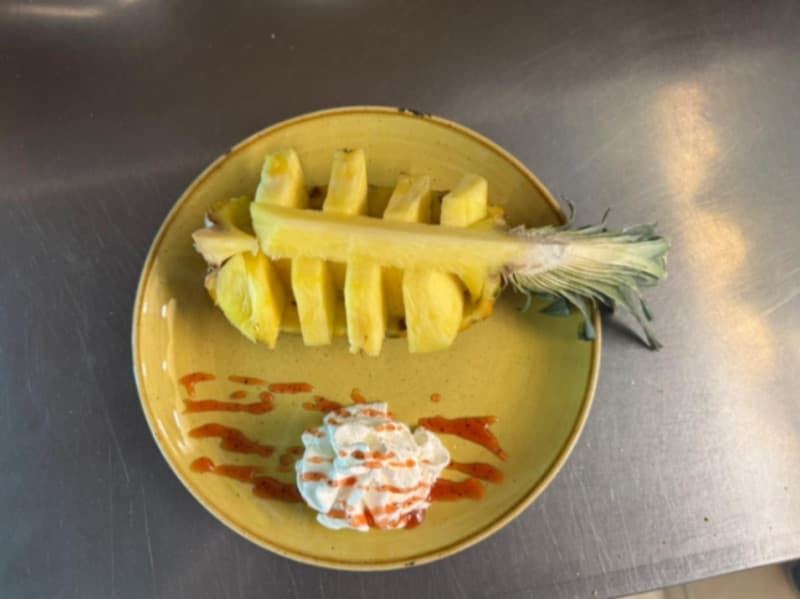
Before
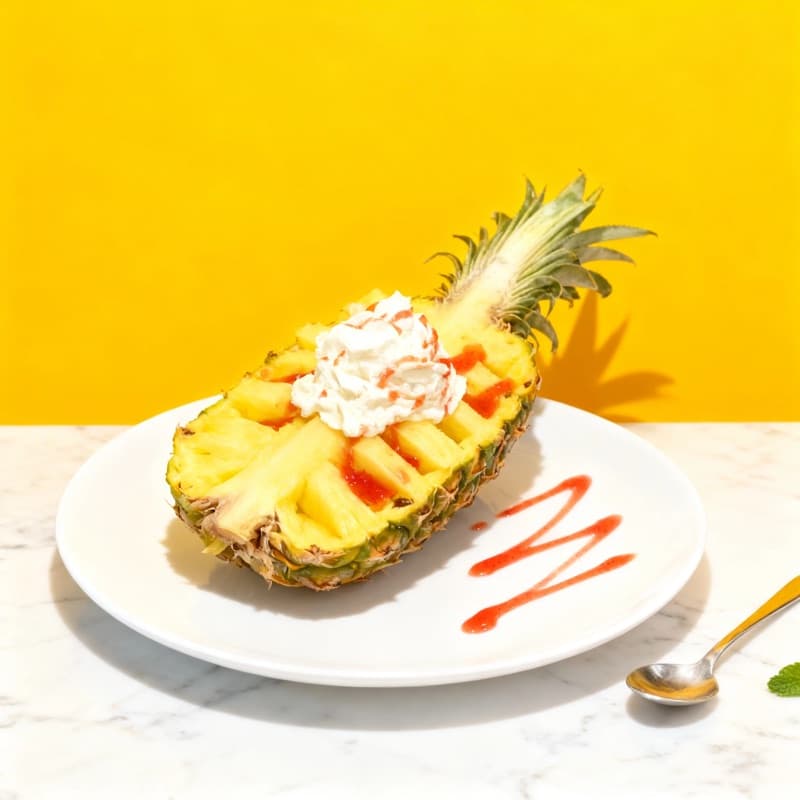
After
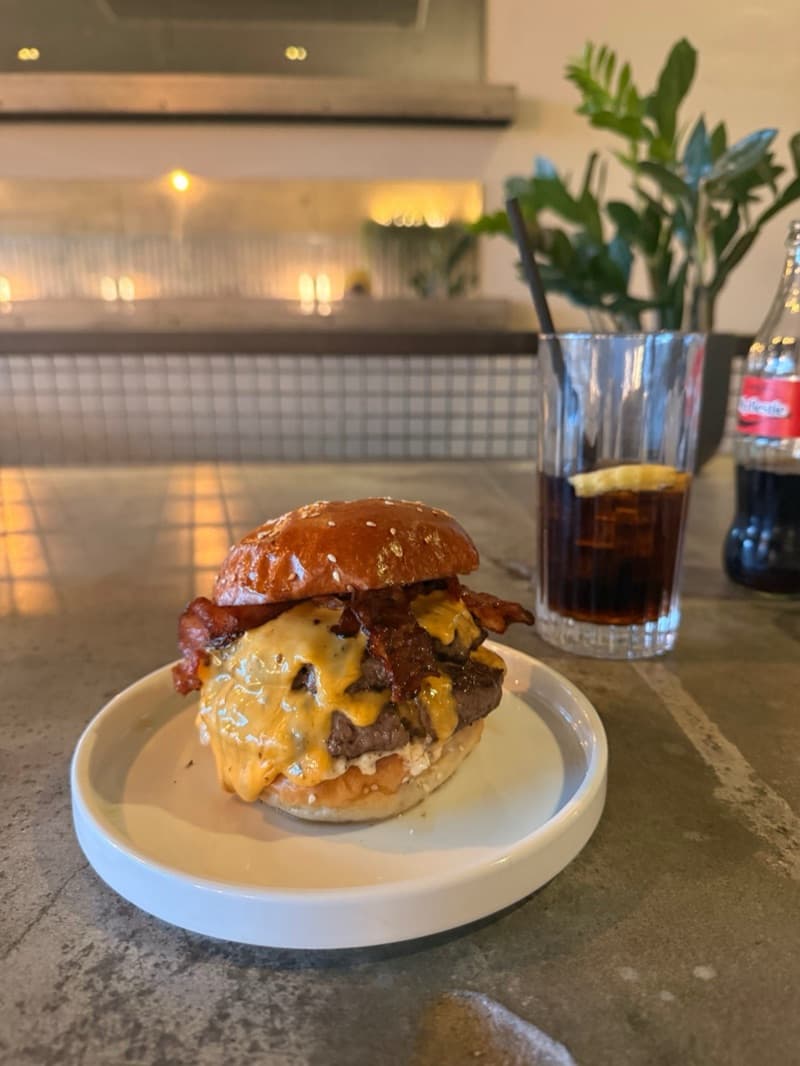
Before
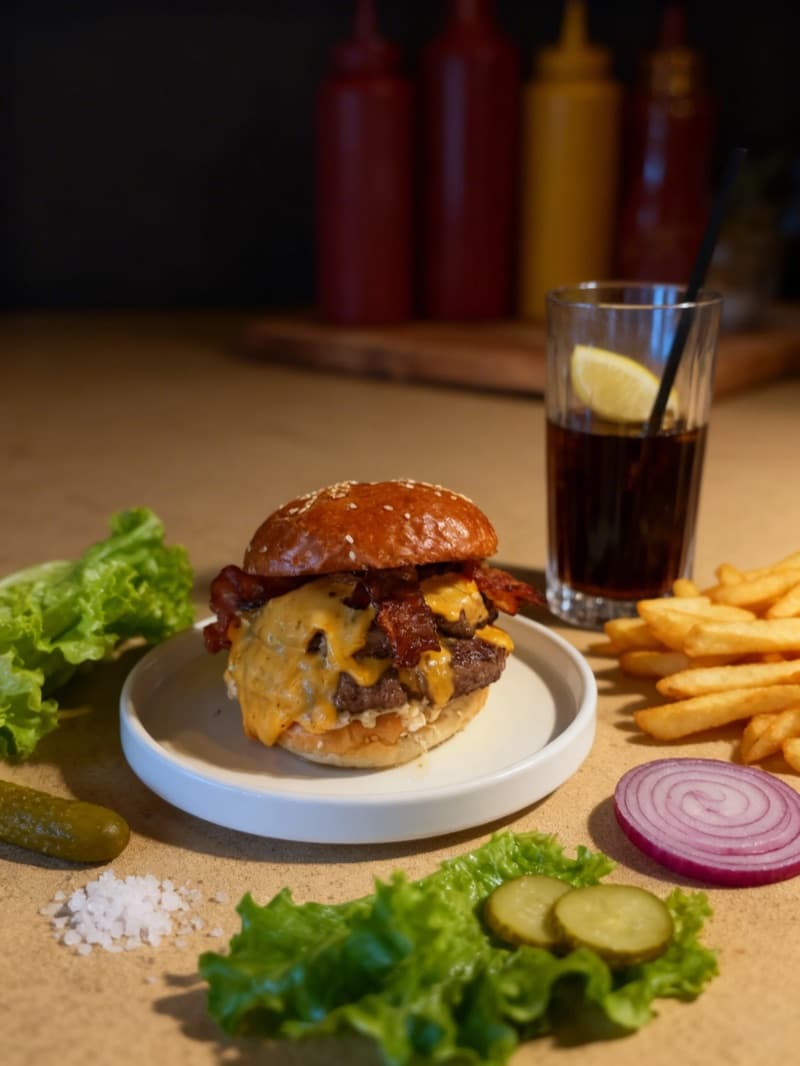
After
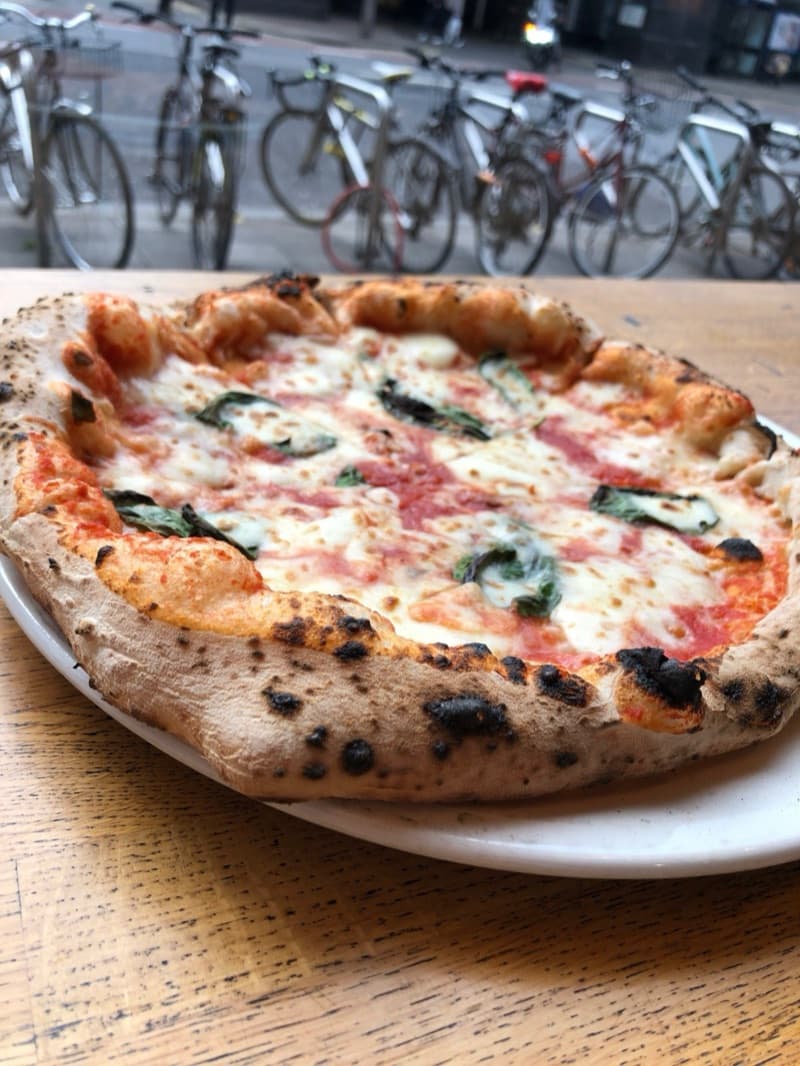
Before
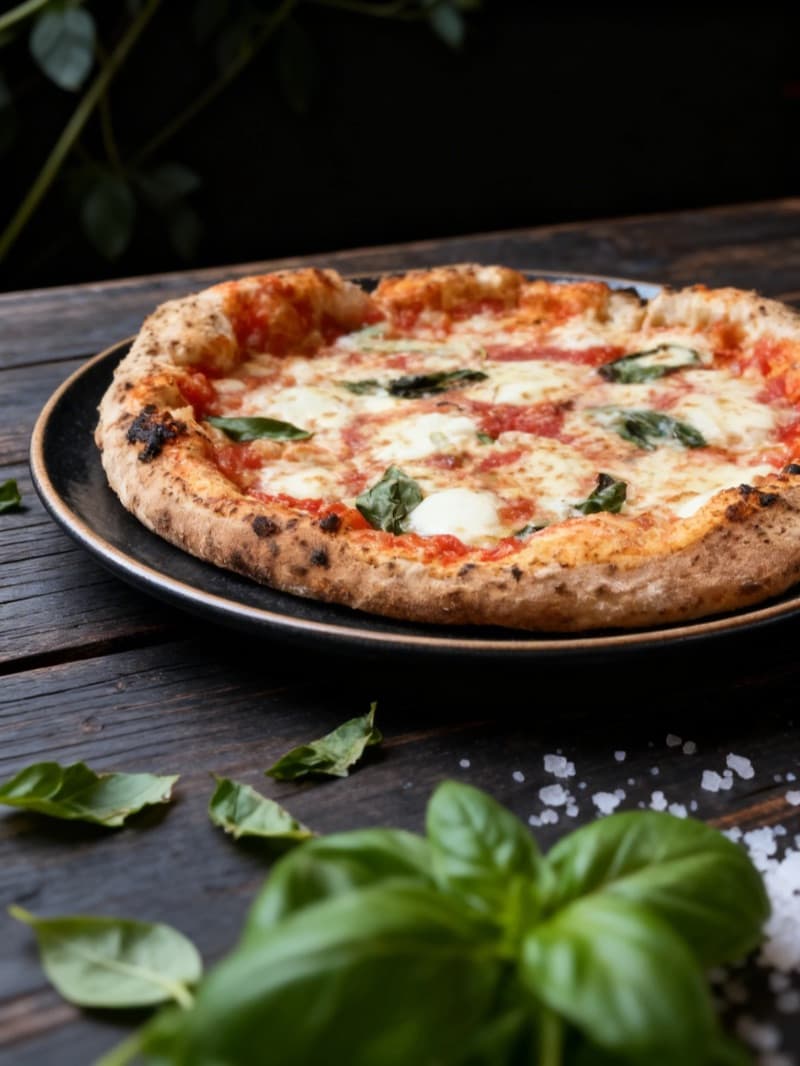
After
| Market share | ~20% of US restaurants (1 in 5 independent restaurants) |
|---|---|
| Customers | 2M+ Local by Toast app downloads |
| Partners | 127,000+ restaurant locations |
| Commission | $0 commission -- subscription-based ($0-$165+/mo software plus 2.49%-3.50%+ payment processing) |
| Average order | $35-45 USD (online orders average 23% higher than in-store) |
| Menu photo | 1200 x 800 pixels recommended minimum; 1:1 or 4:3 recommended (displays across website, app, and Google) |
Why Toast Matters for Your Restaurant
Toast is the largest restaurant-specific technology platform in the United States, powering over 127,000 restaurant locations and representing roughly one in five independent restaurants and small chains across the country. Unlike third-party delivery marketplaces such as DoorDash or Uber Eats that charge per-order commissions of 15-30%, Toast operates on a subscription model with zero commission on orders placed through your own online ordering system. That fundamental difference means every optimization you make to your Toast storefront flows directly to your bottom line.
Toast gives restaurants three distinct ordering channels: your branded Toast Online Ordering website, the Local by Toast consumer app (formerly Toast TakeOut), and Order with Google, which lets customers place orders directly from Google Search and Google Maps. Each channel syncs automatically with your Toast POS, so menu updates, hours, and prep time estimates flow through in real time without duplicate management.
The economics are compelling. Toast's own data shows that restaurants using their online ordering platform see a 23% larger average check size on digital orders compared to in-store transactions. When you combine that higher ticket size with zero commissions, the revenue per online order significantly outpaces what you would earn through a third-party delivery marketplace after their fees are deducted. For a restaurant doing $30,000 per month in online ordering volume, the commission savings alone can exceed $36,000 per year compared to a typical third-party platform.
This guide provides ten actionable strategies for maximizing orders through your Toast platform in 2026. Every recommendation is specific to Toast's tools, features, and ecosystem rather than generic advice that applies to any ordering system.
How Toast's Algorithm Ranks Restaurants
Toast's ordering ecosystem operates differently from third-party delivery marketplaces. There is no single algorithmic feed ranking restaurants against each other the way DoorDash or Uber Eats works. Instead, Toast surfaces your restaurant through three channels, each with its own discovery mechanics: your branded online ordering website (driven by SEO and direct traffic), the Local by Toast consumer app (driven by geographic proximity and user preferences), and Order with Google (driven by Google Search and Maps ranking factors).
On the Local by Toast app, restaurants appear based on the customer's location, cuisine preferences, and ordering history. The app shows nearby Toast restaurants with their menus, ratings, and estimated prep times. Restaurants with complete profiles -- including logo, cover photo, menu item images, accurate hours, and competitive prep times -- naturally receive more engagement than incomplete listings. Toast does not charge restaurants to appear on Local by Toast, making it a zero-cost acquisition channel for pickup and delivery orders.
Order with Google is arguably the highest-value discovery channel because it captures customers at the moment of intent. When someone searches "pizza near me" on Google, Toast restaurants with Order with Google enabled can display an order button directly in the Google Search results and Google Maps listing. This integration uses the same menus, hours, and quote times as your Toast Online Ordering configuration, so there is no additional setup. The orders that come through this channel are commission-free and flow directly into your Toast POS. The visibility of your restaurant in Google results depends on standard local SEO factors: your Google Business Profile completeness, review count and rating, website quality, and relevance to the search query.
Understanding these three channels and optimizing for each one is the foundation of growing orders on Toast. Unlike a marketplace algorithm where you compete against hundreds of restaurants in a single feed, Toast's model gives you direct control over your discoverability through your own website, Google presence, and the Local by Toast app.
| Factor | Weight | Details |
|---|---|---|
| Google Business Profile Optimization | high | Your Google Business Profile is the gateway to Order with Google visibility. Restaurants with complete profiles -- including accurate hours, high-quality photos, updated menus, and 50+ reviews -- rank significantly higher in local search results. When a customer searches for your cuisine type, Google prioritizes restaurants with strong profile signals. Ensure your business name, address, phone number, categories, and attributes are accurate and consistent across all platforms. |
| Menu Completeness & Photo Coverage | high | Across all three Toast ordering channels, menus with item-level photos and detailed descriptions convert at dramatically higher rates than text-only menus. On your Toast Online Ordering site and the Local by Toast app, items without photos are visually skipped by browsing customers. Toast syncs your menu across all channels, so investing in complete photo coverage pays dividends on every ordering surface simultaneously. |
| Online Ordering Website SEO & Speed | high | Your Toast-powered online ordering website is your primary owned ordering channel. Its visibility in search results depends on page load speed, mobile responsiveness, metadata quality, and content relevance. Toast Websites include built-in SEO tools to help with metadata and discovery, but restaurants should also ensure their site links are prominent in their Google Business Profile, social media bios, and all marketing materials. |
| Prep Time Accuracy & Quote Times | medium | Toast shares your estimated prep times with customers across all ordering channels including Order with Google. Restaurants that consistently quote accurate times build customer trust and generate repeat orders. If your quoted time is 15 minutes but orders routinely take 30, customers leave negative reviews that damage your Google ranking and Local by Toast reputation. Quote conservatively and deliver consistently. |
| Customer Reviews & Ratings | medium | Google reviews directly impact your Order with Google visibility, and ratings on the Local by Toast app influence customer browsing decisions. Restaurants with 4.5+ star ratings and a high volume of recent reviews attract significantly more click-throughs. Actively encouraging satisfied customers to leave reviews on Google creates a compounding visibility effect across both Google and Toast ordering channels. |
| Operating Hours & Availability | medium | Restaurants that maintain extended and consistent online ordering hours capture more orders, particularly during late-night and early-morning windows when competition is lower. Toast syncs your hours across all channels, so expanding your online ordering window -- even by one extra hour in the evening -- can generate incremental orders with minimal additional overhead. |
| Local by Toast App Profile Quality | low | Your restaurant listing on the Local by Toast app includes your logo, cover image, menu, hours, and customer ratings. Complete and visually appealing profiles receive more engagement from customers browsing the app. You can update your restaurant image for the app through Toast Central. While the app user base is smaller than major delivery platforms, these customers order commission-free, making each order more profitable. |
The critical distinction between Toast and third-party delivery platforms is ownership. On DoorDash or Uber Eats, you are renting access to someone else's customer base and competing against every other restaurant in their marketplace feed. On Toast, you own the customer relationship. When someone orders through your Toast Online Ordering site, you capture their email address, ordering history, and preferences -- data you can use for targeted email marketing, loyalty programs, and personalized promotions.
This ownership model means your growth strategy on Toast should focus on driving traffic to your own ordering channels rather than optimizing for a marketplace algorithm. The most successful Toast restaurants treat their online ordering URL as a primary marketing asset, promoting it in every customer touchpoint: receipts, table tents, social media bios, email signatures, Google Business Profile, and even their voicemail greeting.
Order with Google deserves special strategic attention because it captures customers with high purchase intent. Someone searching "Thai food delivery near me" is ready to order -- and if your Toast restaurant appears with an order button directly in the search results, you can capture that order commission-free before the customer even considers opening a delivery app. Toast reports that this integration is available at no additional cost to restaurants already using Toast Online Ordering, making it one of the highest-ROI features on the platform.
The Local by Toast app, while smaller than major delivery platforms in user base, serves a valuable function as a zero-commission discovery channel. Customers who download the app are specifically looking for Toast-powered restaurants, which means they are predisposed to ordering directly. Ensuring your Local by Toast listing has an appealing cover image, complete menu with photos, and accurate hours maximizes your capture rate from this channel.
10 Proven Ways to Increase Your Toast Orders
1.Build and Optimize Your Toast Online Ordering Website
Your Toast Online Ordering website is the single most important revenue channel on the platform because it generates commission-free orders and captures customer data you own. Unlike orders through third-party delivery apps where you pay 15-30% per transaction, every order through your Toast website costs only the flat monthly software fee plus payment processing. For a restaurant doing $20,000 per month in online orders, that difference can amount to $3,000-6,000 per month in saved commissions.
Start by ensuring your Toast Online Ordering site is fully customized with your brand. Upload a high-quality logo, set your brand colors, and add a compelling hero image of your best-selling dish. Toast Websites let you customize fonts, colors, and layout from a library of professionally designed templates. A branded, professional-looking ordering site builds trust with first-time customers and signals that yours is an established operation, not a fly-by-night kitchen.
The menu structure on your online ordering site matters more than most owners realize. Place your highest-margin and most popular items in the first visible category. Name this category something action-oriented like "Most Popular" or "Customer Favorites" rather than generic labels like "Appetizers." Customers who land on your ordering page make their purchasing decision within the first few seconds of scrolling, so the items they see immediately should be your strongest offerings with professional photos and detailed descriptions.
Enable every ordering option Toast supports: pickup, delivery (using Toast Delivery Services or your own drivers), and scheduled orders. Scheduled ordering is particularly valuable because it lets customers plan ahead for lunch or dinner, locking in the order before they have a chance to browse competitor options. Toast also supports group ordering, which dramatically increases average order value for office and event orders.
Promote your ordering URL aggressively. Include it on your Google Business Profile as the primary ordering link, add it to your Instagram and Facebook bios, print it on physical receipts and packaging, and mention it in your voicemail message. Every customer who orders through your own site instead of a third-party app is a customer whose data you keep and whose order generates full margin.
Make sure your site loads quickly on mobile devices. Toast's own research shows that speed is the number one factor customers care about when placing online orders. A slow-loading menu page causes abandonment, pushing customers to faster alternatives. Test your ordering page on a mobile phone regularly to ensure images load quickly and the checkout flow is smooth.
$36K+[1]
Average annual commission savings by using Toast Online Ordering vs. third-party apps
2.Enable Order with Google to Capture High-Intent Customers
Order with Google is one of Toast's most powerful and underutilized features. It places an "Order Online" button directly on your Google Business Profile, visible in Google Search results and Google Maps. When a customer searches for "burgers near me" or your restaurant name, they can begin ordering without ever leaving Google. The order flows directly into your Toast POS, commission-free, using the same menu and hours as your online ordering site.
The setup is straightforward. In Toast Central, navigate to your online ordering settings and enable the Order with Google toggle. Toast automatically syncs your menu, pricing, hours, and estimated prep times to Google. Updates flow in real time, so when you change a menu item or adjust your hours in Toast, the Google listing reflects the change immediately. There is no additional monthly fee for this feature beyond your existing Toast Online Ordering subscription.
The strategic value of Order with Google lies in capturing customers at the moment of maximum purchase intent. Someone typing "pizza delivery" into Google is not casually browsing -- they want to order food right now. If your restaurant appears with a direct ordering button while competitors only show a phone number or a link to a third-party app, you have a significant conversion advantage. The customer can read reviews, see your photos, and place an order all within the Google interface.
To maximize your Order with Google visibility, invest in your Google Business Profile. Upload at least 10-15 high-quality food photos directly to your Google listing (separate from your Toast menu photos). Respond to every Google review within 48 hours, as response rate is a ranking signal. Ensure your business categories are accurate and specific -- "Italian Restaurant" ranks better for relevant searches than the generic "Restaurant." Add attributes like "Offers delivery," "Offers takeout," and "Online ordering" to your profile.
Encourage satisfied dine-in customers to leave Google reviews. A simple table tent or receipt insert that says "Love your meal? Leave us a review on Google!" can steadily build your review count. Restaurants with 100+ Google reviews and a 4.5+ rating dominate local search results, which directly feeds more Order with Google transactions. Every incremental Google review is an investment in a commission-free ordering channel that pays dividends for months.
Track the performance of your Order with Google orders in Toast's reporting dashboard. Compare the volume and average order value to your direct website orders to understand how much incremental revenue this channel generates. Most restaurants find that Order with Google contributes a meaningful percentage of total online orders within the first few months of activation.
$0[3]
Commission on Order with Google transactions for Toast restaurants
3.Add Professional Photos to Every Menu Item Across All Channels
On Toast's online ordering platform, menu item photos are the single most important conversion factor after price. When a customer lands on your ordering page, they scan visually for appealing items. Menu entries without photos get scrolled past in favor of items with appetizing images. Industry data consistently shows that items with professional photos generate significantly more orders than text-only listings, and Toast's multi-channel architecture means a single set of photos pays dividends across your website, the Local by Toast app, and Order with Google simultaneously.
Toast accepts menu images in JPG and PNG format with a maximum file size of 5MB. While Toast does not enforce strict minimum dimensions the way some third-party platforms do, the recommended approach is to upload images at a minimum of 1200 x 800 pixels to ensure they display sharply across desktop, tablet, and mobile screens. Square or near-square aspect ratios (1:1 or 4:3) work best because they display consistently across Toast's various ordering interfaces without awkward cropping.
Upload menu photos through the Toast Back Office by navigating to your menu editor and selecting individual items. You can also add images through the Toast platform API if you use a menu management integration. For your restaurant's cover image on the Local by Toast app, navigate to Toast Central and upload a high-quality hero image that represents your brand -- ideally your signature dish photographed in the best possible light.
Lighting is where most restaurant photos fail. Harsh overhead fluorescent lighting, phone flash, and underexposed shots all produce images that make food look unappetizing. The most effective approach is natural daylight near a window, or a simple two-light softbox setup that costs under $100. Position the dish at a slight angle, ensure the background is clean and uncluttered, and shoot from above or at a 45-degree angle depending on the dish type. Flat items like pizza and bowls look best from directly overhead, while stacked items like burgers and sandwiches look best at eye level.
Because Toast syncs your menu across all ordering channels, investing in a complete set of professional menu photos is one of the highest-ROI activities available to you. A single photo shoot -- or a single session using AI photo enhancement tools like MenuPhotoAI -- populates your Toast website, the Local by Toast app, your Order with Google listing, and even your Google Business Profile if you upload the same images there. This multi-channel leverage means the cost-per-impression of quality food photography drops dramatically compared to platforms where photos only appear in a single marketplace.
Prioritize your top ten sellers first, then systematically fill in the rest of your menu. A menu with 100% photo coverage converts meaningfully better than one with gaps, because even a few items without images break the visual flow and can cause customers to second-guess their order.
25-30%[5]
More orders for menu items with professional photos vs. items without images
4.Use Toast Email Marketing to Drive Repeat Orders
Toast Marketing is the platform's native email marketing tool, and it is one of the most direct paths to increasing repeat orders. Available as an add-on at $75 per month, it integrates directly with your Toast POS data, allowing you to build targeted email lists based on actual customer behavior rather than generic mailing lists. You can segment customers by visit frequency, order history, average spend, last visit date, and even specific items ordered -- precision targeting that standalone email platforms cannot match without complex POS integrations.
The most powerful feature is automated email workflows. Toast Marketing lets you set up trigger-based emails that send automatically when specific conditions are met, without any manual effort after initial setup. The highest-impact automations include welcome emails for first-time online ordering customers, "we miss you" re-engagement emails for customers who have not ordered in 30-60 days, birthday and anniversary emails with special offers, and loyalty milestone emails when customers approach a reward threshold.
Toast's own data shows that restaurants using automated email marketing see up to 20% more repeat guests. A single automated campaign has generated up to $2,300 in revenue for individual Toast customers. When you consider that the tool costs $75 per month, even modest engagement rates produce a strong return on investment.
Build your email list actively through every customer touchpoint. Toast captures email addresses from online ordering customers automatically, but you should also collect emails at the point of sale for dine-in guests. Use a simple ask at checkout: "Would you like to join our email list for exclusive deals?" Toast's loyalty program integration makes this even easier by tying email collection to loyalty enrollment.
Segment your campaigns carefully rather than sending blanket promotions to your entire list. Create a VIP segment for your top 20% of customers by spend and send them exclusive early access to new menu items or special tasting events. Create a lapsed segment for customers who have not visited in 45+ days and offer them a compelling reason to return -- a free appetizer or percentage discount works well here. Create a catering segment for customers who have placed large orders and send them periodic reminders about your catering menu.
Track open rates, click rates, and attributed revenue for every campaign in the Toast Marketing dashboard. A/B test subject lines and offer types to continuously improve performance. The restaurants that generate the most email revenue are those that treat their email list as a living asset -- continuously growing it, segmenting it, and sending relevant, value-driven messages that customers actually want to receive.
20%[6]
More repeat guests from automated Toast email marketing campaigns
5.Launch a Toast Loyalty Program to Increase Customer Lifetime Value
Toast Loyalty is the platform's integrated rewards program that lets you incentivize repeat visits and build long-term customer relationships. Unlike standalone loyalty apps that require a separate checkout flow, Toast Loyalty is built directly into the POS, so customers earn and redeem rewards seamlessly whether they order in-person, online, or through the Local by Toast app. This friction-free experience dramatically increases enrollment and participation rates compared to bolt-on loyalty solutions.
Toast Loyalty offers flexible accrual models. You can configure points based on dollar amount spent (e.g., 1 point per dollar), number of visits, or specific item purchases. You define the redemption thresholds -- for example, "100 points equals $10 off" or "5 visits earns a free entree." The flexibility lets you design a program that aligns with your restaurant's margins and customer behavior patterns. A quick-service restaurant with low average ticket sizes might use a visit-based model, while a full-service restaurant with higher check averages might prefer spend-based accrual.
The loyalty program integrates with Toast Email Marketing, creating a powerful retention loop. When a customer is close to earning a reward, Toast can automatically send them an email reminder: "You are only 15 points away from a free dessert!" This nudge converts customers who might have ordered from a competitor into a return visit at your restaurant. The combination of loyalty and email marketing is more effective than either tool alone because it provides both the incentive (the reward) and the reminder (the email) simultaneously.
Credit card-linked loyalty is a particularly compelling feature of Toast's program. Instead of requiring customers to scan a card or enter a phone number, Toast can automatically recognize a customer's payment card and apply loyalty points without any additional action at checkout. This invisible enrollment removes the biggest barrier to loyalty program adoption: the inconvenience of remembering to scan or identify yourself at every visit. Customers simply pay as they normally would, and points accumulate in the background.
Promote your loyalty program at every ordering touchpoint. Add a loyalty enrollment prompt to your online ordering checkout flow, train your front-of-house staff to mention the program during dine-in checkout, and include loyalty signup information on your receipts and packaging. The more enrolled customers you have, the more powerful the retention loop becomes.
Track your loyalty program metrics in Toast's analytics dashboard: enrollment rate, active participation rate, redemption rate, and incremental revenue attributed to loyalty members. Compare the average order frequency and lifetime value of loyalty members versus non-members to quantify the program's ROI. Most restaurants find that enrolled loyalty members visit 20-30% more frequently and spend more per visit than non-enrolled customers, making the loyalty program one of the most cost-effective customer retention tools available on the Toast platform.
$25.34[7]
Average additional spend on checks paid with Toast gift cards
6.Optimize Your Google Business Profile for Local Search Dominance
Your Google Business Profile is the front door to your Order with Google integration and one of the most impactful free marketing tools available to any restaurant. When potential customers search for restaurants in your area, Google displays a local pack of three businesses above organic search results. Appearing in this local pack with an active "Order Online" button powered by Toast captures customers at the exact moment they are deciding where to eat -- and every order is commission-free.
Start with the fundamentals. Ensure your business name, address, and phone number are exactly consistent across your Google Business Profile, your Toast Online Ordering website, your social media pages, and any directory listings. Inconsistencies in this basic information (known as NAP data) confuse Google's algorithms and can suppress your ranking in local results. If your street address shows as "123 Main St" on Google but "123 Main Street" on your website, fix it immediately.
Categories matter significantly. Select the most specific primary category available -- "Sushi Restaurant" will outperform "Restaurant" for relevant sushi searches. Add secondary categories for additional cuisine types or service types you offer, such as "Delivery Restaurant," "Takeout Restaurant," or "Catering Food and Drink Supplier." Each category helps Google surface your listing for a broader range of relevant searches.
Photos uploaded directly to your Google Business Profile have an outsized impact on customer engagement. Google reports that businesses with photos receive 42% more requests for directions and 35% more clicks to their websites. Upload at least 10-15 photos covering your food, interior, exterior, menu highlights, and team. Refresh your photos quarterly to signal to Google that your listing is actively managed. These photos also appear when customers browse your listing before clicking the Order with Google button, so they serve double duty as both Google ranking factors and conversion tools.
Reviews are the most important ranking signal for local search. Restaurants with more reviews and higher average ratings consistently appear higher in the local pack. Develop a systematic approach to review generation: train your staff to ask satisfied customers to leave a review, include a review request on your receipts with a QR code linking directly to your Google review page, and respond to every review -- positive and negative -- within 48 hours. Google's algorithm favors businesses that actively engage with their reviews.
Post regularly to your Google Business Profile using the Posts feature. Share menu updates, seasonal specials, events, and promotions. These posts appear in your business listing and signal to Google that your profile is active. Each post is an opportunity to include a call-to-action button that links to your Toast Online Ordering page, creating a direct path from discovery to order.
42%[8]
More direction requests for Google Business Profiles with photos
7.Use Toast Delivery Services to Offer Delivery Without Third-Party Commissions
Toast Delivery Services lets you offer delivery to customers ordering through your Toast Online Ordering site and Order with Google without managing your own delivery fleet. Toast partners with DoorDash's driver network to fulfill deliveries, but the critical difference from listing on DoorDash Marketplace is that you keep the customer relationship, the order data, and you avoid marketplace commissions. You pay only a flat per-delivery fee rather than a 15-30% commission on the entire order value.
The setup process is managed through Toast Central. Once enabled, a delivery option appears on your online ordering page alongside your pickup option. You can set a delivery radius, minimum order amount, and delivery fee that gets passed to the customer. Toast recommends starting with a default $2 delivery fee, though you can adjust this based on your market and competitive landscape. Some restaurants absorb the delivery fee entirely as a marketing cost to drive adoption, while others set it at $3-5 to partially offset the per-delivery charge.
The economics of Toast Delivery Services versus third-party marketplace delivery are substantially different. On DoorDash Marketplace, a $40 order at 25% commission costs you $10 in fees. With Toast Delivery Services, that same $40 order might cost you $6-8 in delivery fulfillment fees, but you also captured the customer's email address, added them to your loyalty program, and retained the ability to market to them directly for future orders. Over the lifetime of that customer relationship, the per-order savings compound significantly.
One important limitation: you cannot use Toast Delivery Services and your own delivery drivers simultaneously. If you have your own delivery staff, you must choose one or the other. For restaurants with their own drivers, the decision is clear -- use your own team and avoid third-party fulfillment costs entirely. For restaurants without delivery infrastructure, Toast Delivery Services provides a turnkey solution that avoids the overhead of hiring, insuring, and managing delivery drivers.
Promote your delivery capability actively. Many customers assume that if they want delivery, they must use a third-party app. Include messaging on your website, social media, and in-store signage that says "Order delivery directly from us -- no app fees!" This educates customers about the direct ordering option and redirects orders from commission-heavy channels to your own platform.
Monitor your delivery performance metrics in Toast's reporting dashboard, paying attention to delivery times, customer satisfaction with delivered orders, and your effective cost per delivery. If delivery complaints are high, consider tightening your delivery radius to improve the customer experience and reduce the likelihood of food quality issues from extended transit times.
23%[4]
Larger average check size for Toast online orders vs. in-store orders
8.Structure Modifiers and Upsells to Increase Average Order Value
Average order value is one of the most important metrics for online ordering profitability, and Toast provides powerful tools for increasing it through modifier groups, combo meals, and upsell prompts. Because Toast charges no commission on online orders, every dollar of increased AOV flows directly to your revenue -- unlike third-party platforms where a larger order also means a larger commission payment.
Modifier groups in Toast's menu editor let you attach customization options to any menu item. For a sandwich, create modifier groups for bread choice (free options), premium add-ons like avocado or bacon ($1.50-2.00 each), a "make it a meal" upgrade with fries and a drink ($3.99), and sauce selections. Each modifier group represents a micro-upsell opportunity that customers engage with naturally as they customize their order. The key is structuring modifiers so that some options are free (creating engagement with the interface) while premium options feel like reasonable upgrades rather than price gouging.
Toast's menu editor supports required and optional modifier groups. Use required modifiers for choices that must be made (like temperature for steak or size for drinks) and optional modifiers for add-ons and upgrades. When a modifier group is required, every customer must interact with it, increasing the likelihood they will also notice and select premium paid options within that same group.
Create combo meals that bundle a main item with a side and drink at a slight discount compared to ordering individually. Position these bundles in the first category of your online ordering menu, labeled "Popular Combos" or "Best Value." Customers who see a combo as the first option are more likely to start there, and a $12.99 combo that would cost $15.50 individually feels like a deal -- while still generating higher revenue than a standalone entree at $9.99.
Toast also supports automated upsell suggestions during the online ordering checkout flow. When configured, customers see suggestions like "Add a drink to your order?" or "Customers who ordered this also enjoyed..." These checkout-stage prompts catch customers who did not add extras during menu browsing and provide one final opportunity to increase the order value before payment.
Track your AOV in Toast's sales reports and compare online ordering AOV to dine-in AOV. If your online AOV is lower than dine-in, it means your digital menu is missing upsell opportunities that your servers naturally handle in person. The goal is to replicate the server's suggestive selling capability through thoughtful modifier groups, combo placement, and checkout upsells. Restaurants that invest in menu engineering on their Toast platform typically see their online AOV increase by $4-8 per order within the first month of optimization.
9.Use Toast Gift Cards and Catering to Open New Revenue Streams
Toast's integrated gift card program and catering tools represent two high-margin revenue channels that many restaurant owners overlook when thinking about online ordering growth. Both features are built into the Toast platform and share the same commission-free economics as your standard online ordering, making them particularly profitable additions to your digital storefront.
Toast Gift Cards support both physical and digital formats. E-gift cards can be purchased directly through your online ordering website and sent via text or email, making them perfect for last-minute gifts and holidays. Physical gift cards integrate with your Toast POS for in-store sales. The financial impact is significant: Toast's data shows that customers spend an average of $25.34 above the value of their gift card when redeeming it. This means a $50 gift card typically generates $75+ in total revenue. Additionally, a meaningful percentage of gift cards are never fully redeemed, representing pure profit for the restaurant.
Promote digital gift cards prominently on your Toast Online Ordering site, especially during gift-giving seasons like holidays, Mother's Day, Father's Day, Valentine's Day, and graduation season. Add a "Gift Cards" category to your online ordering menu so it appears alongside food items. Run email marketing campaigns to your existing customer base highlighting digital gift cards as easy gift options -- these emails consistently generate strong revenue during peak gifting periods.
Toast's catering functionality extends your online ordering to large-format orders for offices, events, and parties. Catering orders have dramatically higher average ticket sizes -- Toast data shows catering order averages around $160, compared to $35-45 for individual online orders. Configure a dedicated catering menu in your Toast system with package options, per-person pricing, and minimum order requirements. Include items that scale well (trays of pasta, sandwich platters, dessert assortments) and offer clear pricing that makes it easy for office managers and event planners to budget.
Drive catering orders by creating a targeted email segment of customers who have placed large orders in the past. Send them quarterly reminders about your catering services with direct links to your catering ordering page. Partner with local businesses by dropping off menus and offering a first-order discount. Corporate catering is particularly valuable because it generates recurring revenue -- an office that orders weekly lunch service can become a five-figure annual account from a single relationship.
Both gift cards and catering leverage the same Toast infrastructure you already use, requiring minimal additional operational complexity while opening revenue streams that most restaurants fail to actively pursue.
$160[9]
Average catering order ticket size on Toast
10.Use Toast Analytics to Find and Fix Revenue Leaks
Toast provides comprehensive analytics and reporting tools that give you visibility into every aspect of your online ordering performance. The restaurants that consistently grow their order volume are the ones that review this data weekly and make targeted adjustments based on what the numbers reveal, rather than operating on gut instinct or anecdotal customer feedback.
Start with the Sales Summary report in Toast Back Office, which breaks down revenue by ordering channel (dine-in, online ordering, Local by Toast app, Order with Google, third-party delivery). Track the percentage of your total revenue coming from each channel over time. If your direct online ordering percentage is below 15-20% of total revenue, there is significant room for growth through better promotion of your owned channels. Set a monthly target for shifting more orders from commission-heavy third-party channels to your commission-free Toast ordering platforms.
The Product Mix report reveals which menu items are your top performers and which are underperforming. Sort by quantity sold, revenue generated, and implied contribution margin. Items that sell in high volume at high margins are your menu anchors -- feature them prominently in your first online ordering category and ensure they have the best photos. Items with low sales despite strong margins may need better positioning, better descriptions, or simply better photos to drive conversion.
Toast's customer data tools let you identify ordering patterns and segment customers by behavior. Track how many of your online ordering customers are first-time versus repeat buyers. A healthy repeat rate is 30-40% for online ordering; if yours is below that, your retention efforts (email marketing, loyalty program) need attention. Identify your most valuable customers by total lifetime spend and ensure they are enrolled in your loyalty program and email list.
Monitor your online ordering conversion funnel. Toast's analytics can show you how many customers visit your ordering page versus how many complete an order. If your abandonment rate is high, investigate common friction points: is your menu too long to scroll through, are item descriptions unclear, is the checkout process requiring too many steps, or are delivery fees causing sticker shock at the last moment? Each friction point you eliminate directly translates into recovered orders.
Set up a weekly 15-minute analytics review. Check your week-over-week order count, AOV, top-selling items, and customer mix. Compare current performance against the same week in the previous month and the same week in the previous year. Identify trends early -- if online orders are declining week over week, you can intervene with a targeted email campaign or a promotional offer before a small dip becomes a significant revenue loss.
Use Toast's day-of-week and time-of-day reports to identify your slowest online ordering periods. These are the windows where promotional offers and email campaigns will generate incremental revenue rather than discounting orders you would have received at full price. Target your marketing spend specifically at these off-peak windows for maximum ROI.
Better menu photos from your own phone photos
MenuPhotoAI turns a photo of your own dish into a professional menu image in minutes. You decide where to use it. Start with 5 free photos (watermarked), no credit card required.
Try MenuPhotoAI FreeToast Photo Requirements
| Minimum resolution | 1200 x 800 pixels recommended minimum |
| Aspect ratio | 1:1 or 4:3 recommended (displays across website, app, and Google) |
| Max file size | 5MB |
| Accepted formats | JPEG, PNG |
| Photos per item | 1 per menu item |
| Hero/cover image | 1920 x 1080 pixels recommended for cover/hero images |
Images are uploaded through Toast Back Office menu editor and sync automatically across Toast Online Ordering, Local by Toast app, and Order with Google. Photos should show a single menu item on a clean background with good lighting. Toast does not have a manual review process like some delivery platforms, so photos go live quickly after upload. Separately upload high-quality photos to your Google Business Profile for additional SEO and visibility benefits.
On Toast's online ordering platform, menu photography serves as your silent salesperson across every digital ordering channel simultaneously. Unlike third-party delivery platforms where your photos only appear in a single marketplace, Toast syncs menu images across your branded online ordering website, the Local by Toast consumer app, and your Order with Google listing. This multi-channel leverage means a single investment in quality food photography generates returns on three separate ordering surfaces at once.
The impact of menu photos on online ordering conversion is well-documented across the restaurant industry. Items with professional, appetizing images consistently generate 25-30% more orders than items listed with text descriptions only. On a digital ordering page where customers cannot smell the food or see it being prepared, the photo is the only sensory cue driving the purchase decision. A menu without photos is like a storefront without a window display -- customers have no reason to stop and engage.
Toast's photo requirements are straightforward: JPG or PNG format, 5MB maximum file size, with recommended minimum dimensions of 1200 x 800 pixels. Unlike some delivery platforms that enforce strict aspect ratios and manual photo reviews, Toast gives you more flexibility in image format while still requiring quality images to maintain a professional online ordering experience. Use square or near-square aspect ratios for the most consistent display across desktop, tablet, and mobile ordering interfaces.
The most common photography mistakes restaurant owners make are lighting-related. Phone flash creates harsh, flat images with unnatural color casts. Overhead fluorescent lighting adds a greenish or yellowish tint that makes food look institutional. The solution is simple: shoot near a large window during daylight hours, or invest in a basic two-light softbox kit for under $100. Position dishes at a 45-degree angle for items with height (burgers, stacked sandwiches) and directly overhead for flat items (pizza, bowls, platters).
AI photo enhancement tools like MenuPhotoAI can transform basic smartphone food photos into professional-quality images that meet Toast's requirements and look compelling across all ordering channels. This approach eliminates the cost and scheduling complexity of a professional food photography session while producing images that drive measurably higher conversion rates. Because Toast syncs photos across all channels, a single enhancement session can upgrade your entire digital presence in one go.
Consider your Google Business Profile photos as an extension of your Toast menu photography strategy. Upload the same high-quality images to both platforms to create a consistent visual experience from the moment a customer discovers you on Google to the moment they complete their order on your Toast site. This visual consistency builds trust and reinforces brand recognition.
25-30%[5]
More orders for menu items with professional photos across Toast ordering channels
Toast Promotion Tools
Toast Email Marketing
$75/month add-on to Toast POS subscription.Native email marketing tool integrated with Toast POS customer data. Build segmented lists by visit frequency, order history, spend level, and last visit date. Set up automated workflows for welcome emails, re-engagement campaigns, birthday offers, and loyalty reminders. Toast reports up to 20% more repeat guests from automated campaigns.
Toast Loyalty Program
Flat monthly fee (contact Toast for pricing); included in some bundled plans.Integrated rewards program with flexible accrual models: points per dollar spent, points per visit, or item-based earning. Supports credit card-linked loyalty for frictionless enrollment. Customers earn and redeem rewards seamlessly across dine-in, online ordering, and the Local by Toast app.
Order with Google
Free for restaurants using Toast Online Ordering.Places an "Order Online" button on your Google Business Profile in Search and Maps. Captures high-intent customers at the moment of search with zero commissions. Syncs automatically with your Toast menu, hours, and prep times.
Local by Toast App
Free for all Toast restaurants; no additional fees.Consumer-facing ordering app where customers discover and order from nearby Toast restaurants. Your restaurant appears based on proximity and cuisine category. Zero commission on all orders placed through the app.
Toast Gift Cards
Included with Toast POS; standard payment processing fees apply to purchases.Physical and digital gift card program integrated with POS and online ordering. E-gift cards can be purchased on your website and sent via text or email. Customers spend an average of $25.34 above the gift card value when redeeming.
Toast Delivery Services
Flat per-delivery fee (varies by market); configurable customer-facing delivery fee starting at $2.On-demand delivery fulfillment using DoorDash driver network for orders placed through your Toast Online Ordering site. Customers order directly from you (commission-free), and Toast dispatches a driver for fulfillment. You keep the customer relationship and data.
Toast Catering & Group Ordering
Included with Toast Online Ordering; no additional commission.Dedicated catering menu and group ordering functionality for large-format orders. Average catering ticket sizes of $160. Ideal for corporate accounts, events, and recurring office meal programs.
Common Mistakes to Avoid
Relying Solely on Third-Party Delivery Apps Instead of Toast Online Ordering
Many Toast restaurant owners pay for third-party marketplace commissions of 15-30% per order while underutilizing their own commission-free Toast Online Ordering site. Every order that comes through DoorDash or Uber Eats instead of your Toast ordering page costs you significant margin. Aggressively promote your direct ordering URL on social media, receipts, in-store signage, and your Google Business Profile to shift orders to your owned channel.
Not Enabling Order with Google
Order with Google is free for Toast restaurants and captures customers at the moment of highest purchase intent, yet many restaurants leave it disabled. Enabling this feature takes minutes in Toast Central and immediately adds a commission-free ordering channel through Google Search and Maps. There is no downside to activation -- it uses the same menu and settings you already configured.
Leaving Menu Items Without Photos
A menu with partial photo coverage looks incomplete and unprofessional. Customers skip items without images and may abandon the order entirely if too many items lack photos. Because Toast syncs your menu across three ordering channels, every item without a photo represents a missed conversion opportunity multiplied across your website, the Local by Toast app, and Order with Google. Prioritize achieving 100% photo coverage.
Ignoring Google Business Profile Optimization
Your Google Business Profile directly feeds your Order with Google visibility. An incomplete profile with few photos, inaccurate hours, missing categories, or unresponded reviews suppresses your ranking in local search results. Treat your Google profile as a marketing asset that requires regular maintenance -- update photos quarterly, respond to reviews within 48 hours, and post updates weekly.
Not Using Toast Email Marketing for Re-Engagement
Toast captures customer data from every online order, giving you a built-in email list of people who have already purchased from you. Failing to use this data for re-engagement campaigns leaves repeat revenue on the table. Even basic automated emails -- "We miss you" messages to lapsed customers and "Thank you" emails to first-time buyers -- generate measurable returns at minimal cost.
Setting Inaccurate Prep Times for Online Orders
Quoting unrealistically fast prep times leads to customer frustration when orders are not ready on time, resulting in negative reviews that damage both your Google rating and your Local by Toast reputation. Quote your prep time 3-5 minutes above your actual average to create a buffer. A customer who arrives and finds their order ready will be delighted, while one who waits will be frustrated.
Not Offering Both Pickup and Delivery Options
Some Toast restaurants only enable pickup for online ordering, missing the large segment of customers who want delivery. If you do not have your own delivery drivers, Toast Delivery Services provides a turnkey solution using DoorDash fulfillment. Offering delivery through your own platform at a flat per-delivery fee is far more profitable than paying marketplace commissions on every order.
Treating Toast as Just a POS Instead of a Marketing Platform
Toast is a complete restaurant technology ecosystem with email marketing, loyalty programs, gift cards, catering, and multiple ordering channels -- not just a point-of-sale terminal. Restaurants that use only the POS functionality are paying for a platform while using a fraction of its revenue-generating capabilities. Audit your Toast add-ons and activate the features that align with your growth goals.
Your Action Checklist
Online Ordering Setup
- Customize Toast Online Ordering site with logo, brand colors, and hero image
- Enable both pickup and delivery ordering options
- Configure Toast Delivery Services if you do not have your own drivers
- Set accurate prep times with a 3-5 minute buffer above actual average
- Enable scheduled ordering for advance pickup and delivery
- Enable group ordering for larger team and event orders
- Add your Toast ordering URL to all marketing channels and touchpoints
Menu & Photo Optimization
- Upload professional photos (1200x800px minimum, JPG/PNG, under 5MB) to every menu item
- Write detailed item descriptions with key ingredients and preparation methods
- Organize menu with best-sellers and combos in the first visible category
- Add modifier groups (sizes, add-ons, sides, drinks) to all applicable items
- Create 3-5 combo meals that bundle high-margin items together
- Ensure menu syncs correctly across website, Local by Toast, and Order with Google
- Upload matching high-quality photos to your Google Business Profile
Order with Google & Local SEO
- Enable Order with Google in Toast Central settings
- Complete your Google Business Profile with accurate NAP data
- Select specific restaurant categories (not just generic "Restaurant")
- Upload 10-15+ food and interior photos to Google Business Profile
- Respond to every Google review within 48 hours
- Post weekly updates to Google Business Profile with ordering CTAs
- Add "Offers delivery" and "Online ordering" attributes to your profile
Marketing & Loyalty
- Activate Toast Email Marketing ($75/mo add-on)
- Set up automated welcome email for first-time online ordering customers
- Set up automated re-engagement email for 30-60 day lapsed customers
- Launch Toast Loyalty program with spend-based or visit-based accrual
- Enable credit card-linked loyalty for frictionless enrollment
- Configure Toast Gift Cards with digital e-gift card option on your website
- Create an email segment for high-value and catering customers
Revenue Expansion
- Set up a dedicated catering menu with package and per-person pricing
- Promote digital gift cards on your ordering site and email campaigns
- Create seasonal and holiday-specific gift card promotions
- Partner with local businesses for recurring catering orders
- Add a "Gift Cards" section to your online ordering menu
Analytics & Optimization
- Review Toast sales reports weekly -- track channel mix and AOV trends
- Compare commission-free ordering volume vs. third-party platform volume
- Monitor product mix report to identify top-performing and underperforming items
- Track repeat customer rate and set monthly improvement targets
- Identify off-peak ordering periods for targeted email campaigns
- Calculate monthly commission savings from direct vs. third-party ordering
Key Takeaways
- -Toast operates on a subscription model with zero commissions on online orders -- every optimization you make flows directly to your bottom line without marketplace commission erosion.
- -Order with Google is a free, commission-free ordering channel that captures customers at the moment of highest purchase intent. Enable it immediately if you have not already.
- -Toast syncs menu photos across three ordering channels (website, Local by Toast app, Order with Google), making professional photography one of the highest-ROI investments on the platform.
- -Toast Online Ordering generates 23% higher average check sizes compared to in-store orders -- promote your direct ordering URL aggressively to capture this premium.
- -Toast Email Marketing at $75/month drives up to 20% more repeat guests through automated campaigns. The ROI from a single well-timed re-engagement campaign can pay for months of the subscription.
- -Your Google Business Profile is the gateway to Order with Google visibility. Invest in photos, reviews, and regular updates to dominate local search results.
- -Toast Delivery Services lets you offer delivery without marketplace commissions. Shift delivery orders from third-party apps to your own platform to save $3,000-6,000+ per month.
- -Gift cards and catering represent high-margin revenue streams built into Toast. Catering orders average $160 per ticket and gift card redemptions generate $25+ in additional spend.
Frequently Asked Questions
Better menu photos from your own phone photos
MenuPhotoAI turns a photo of your own dish into a professional menu image in minutes. You decide where to use it. Start with 5 free photos (watermarked), no credit card required.
Try MenuPhotoAI FreeSources
- [1] Toast Online Ordering: Commission-Free Restaurant Ordering System. Toast POS. Accessed 2026-02-20.
- [2] Toast Pricing Plans: Software, Hardware, and Payment Processing. Toast POS. Accessed 2026-02-20.
- [3] Toast Teams Up with Google to Launch Order with Google Integration. Toast POS News. Accessed 2026-02-20.
- [4] Restaurants Using Toast for Online Ordering See 23% Larger Check Size Online Over In-Store Orders. Toast POS News. Accessed 2026-02-20.
- [5] 22 Online Ordering Statistics Every Restaurateur Should Know in 2025. Lightspeed HQ. Accessed 2026-02-20.
- [6] Toast Email Marketing: Connect with Guests and Increase Repeat Visits. Toast POS. Accessed 2026-02-20.
- [7] Toast Gift Cards for POS Systems: Digital and Physical Gift Card Programs. Toast POS. Accessed 2026-02-20.
- [8] The Complete Guide to Restaurant SEO Strategy (2025). Toast Blog. Accessed 2026-02-20.
- [9] Q4 Trends Report: Catering Orders Surge with New Digital Ordering Channels. Toast POS News. Accessed 2026-02-20.
- [10] Toast Announces Fourth Quarter and Full Year 2025 Financial Results. Business Wire. Accessed 2026-02-20.
Guides for Other Platforms
This guide is reviewed and updated quarterly. MenuPhotoAI is an AI food photo enhancement platform. While we believe professional food photography helps restaurants succeed on delivery platforms, this guide aims to provide comprehensive, unbiased advice for restaurant owners regardless of the tools they use.