
Restaurant Guide
How to Get More Orders on SkipTheDishes
Boost SkipTheDishes orders with 10 proven strategies. Master the Skip Score, enhance your menu photos, and use promotions to grow restaurant sales in Canada.
How to get more orders on SkipTheDishes
- Your Skip Score is calculated from four factors over a 28-day rolling average: customer feedback, order rejection rate, courier wait times, and confirmation time accuracy. All four are within your control.
- Restaurants accepting orders within 2 minutes receive 145% more daily orders than those taking longer. Speed of acceptance is one of the simplest and most impactful improvements you can make.
- Customers are 2x more likely to order menu items with professional photos. Adding images to your top-selling items is the highest-ROI change for most Canadian restaurants.
- Top Placement doubles average weekly order volume with a 300% ROI, but it amplifies your existing listing quality. Fix photos, descriptions, and your Skip Score before investing.
- Free Delivery delivers up to 200% ROI and is critical because over 50% of Skip customers filter by delivery fee, hiding restaurants that charge for delivery.
See the difference professional photos make
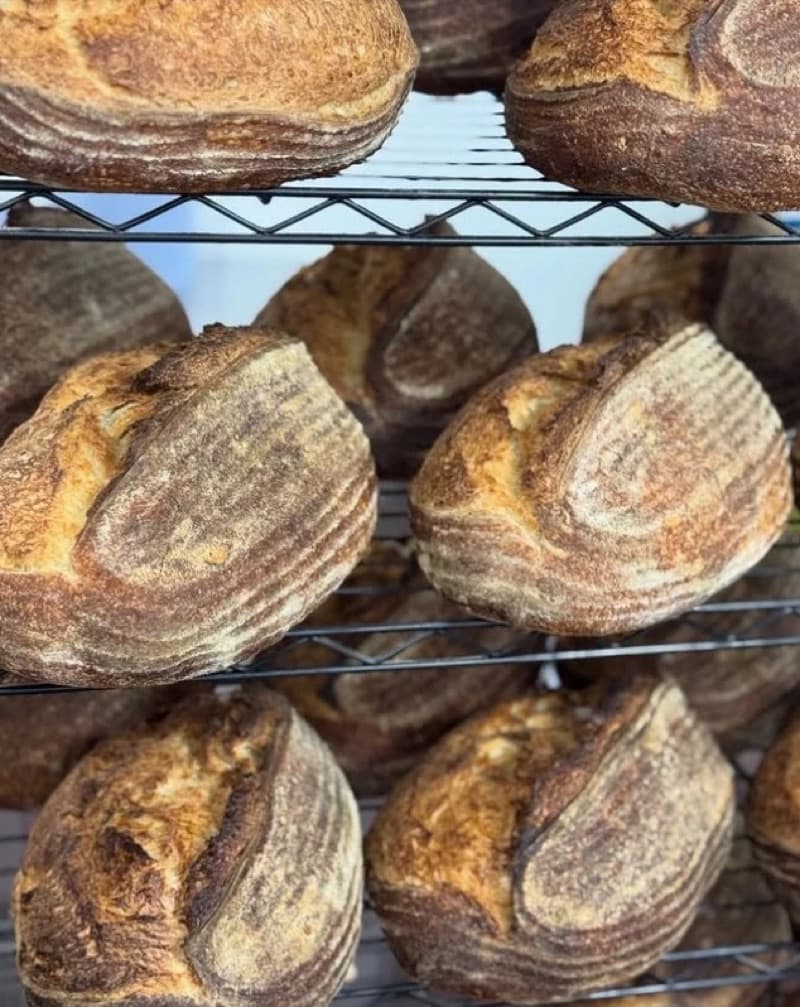
Before
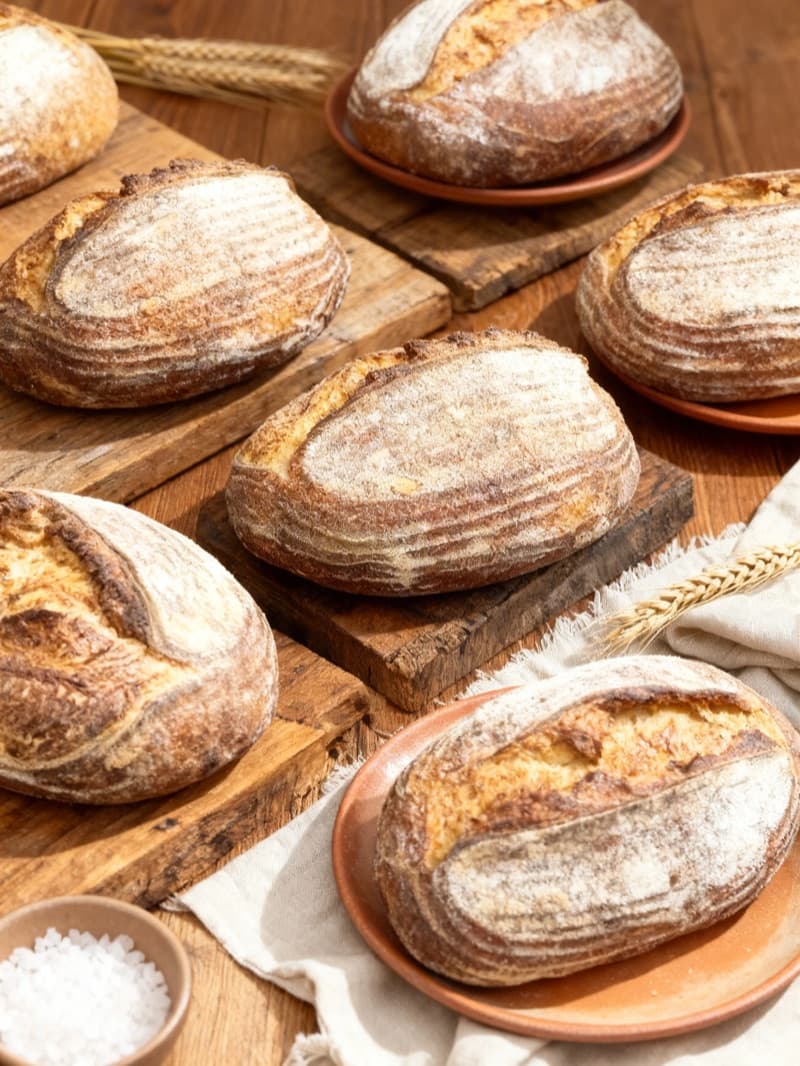
After

Before
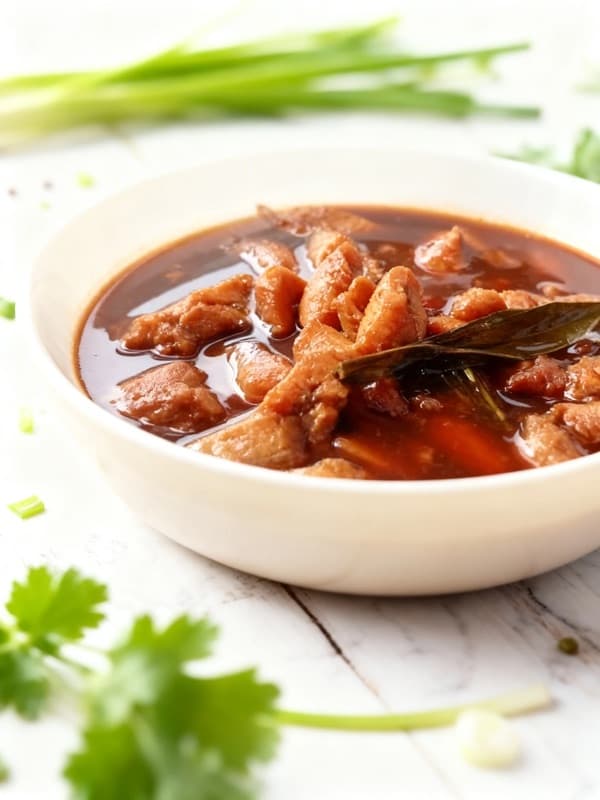
After
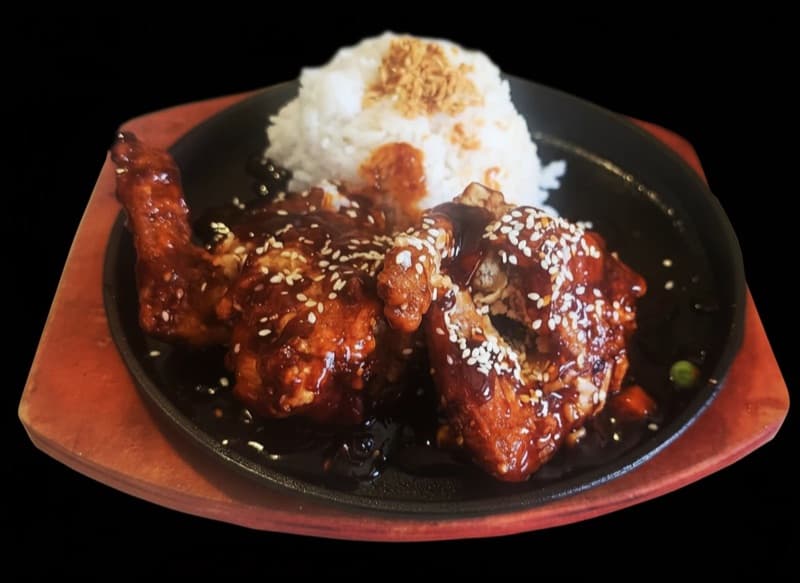
Before
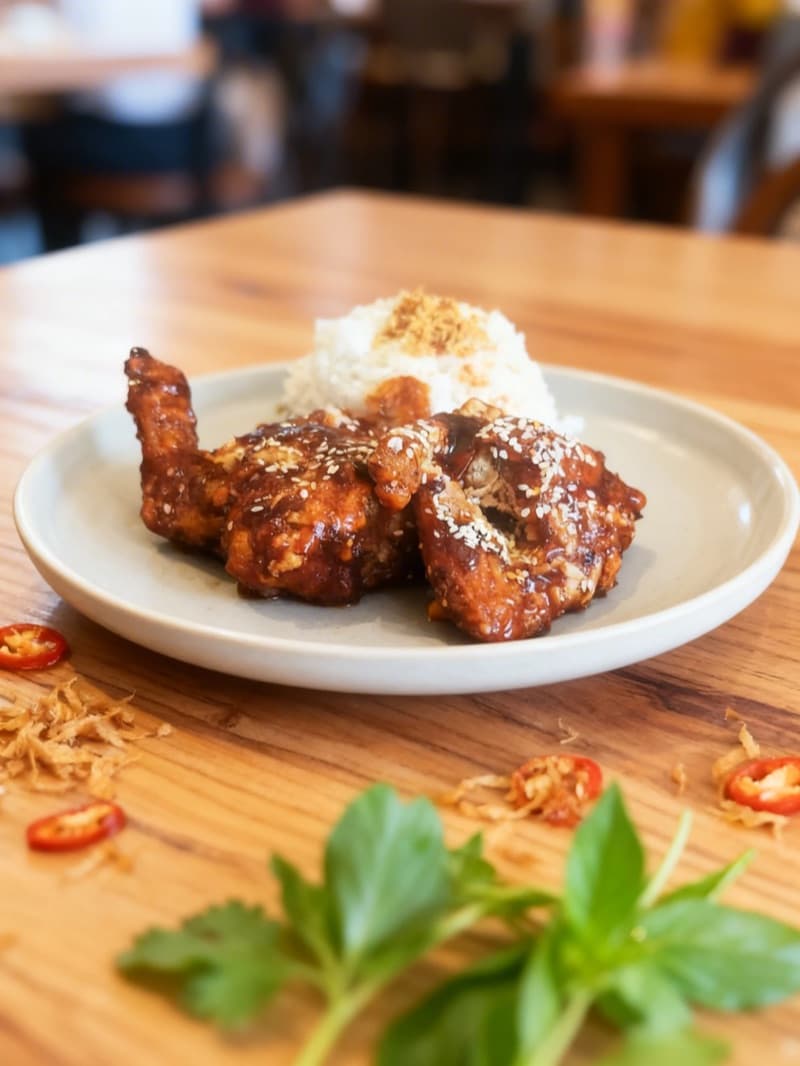
After
| Market share | One of Canada’s top 3 food delivery platforms alongside Uber Eats and DoorDash (2025) |
|---|---|
| Customers | 5.3 million monthly active app users (Q1 2025) |
| Partners | 47,000+ across Canada |
| Commission | 15%–30% |
| Average order | $35 CAD |
| Menu photo | 2100 x 1400px (menu items); 2400 x 2400px (hero images); 3:2 landscape (menu items); 1:1 square (hero images) |
Why SkipTheDishes Matters for Your Restaurant
SkipTheDishes, now commonly known as Skip, is Canada’s homegrown food delivery platform. Founded in Saskatoon in 2012 and later headquartered in Winnipeg, Skip was acquired by UK-based Just Eat in 2016 and now operates under the Just Eat Takeaway.com umbrella. Despite the international ownership, Skip remains distinctly Canadian: it operates in over 450 cities and towns across all ten provinces, partnering with more than 47,000 restaurants, and serving over 5 million monthly active customers through its app.
For Canadian restaurant owners, Skip is often the single most important delivery channel. While Uber Eats and DoorDash have grown their Canadian footprint, Skip maintains a particularly strong presence in mid-size cities, suburbs, and smaller communities where it was the first mover. In many Canadian markets outside of Toronto and Vancouver, Skip is the delivery app that customers open first.
In late 2024, Skip launched Skip+, a membership programme offering customers zero-dollar delivery, bonus points, reduced service fees, and partner perks with brands like CIBC, WestJet, and Live Nation Canada. This creates a large base of high-frequency, loyal orderers who represent a valuable customer segment for restaurants.
The challenge facing most restaurant partners is not joining the platform but standing out on it. With thousands of restaurants competing in every city, the Skip algorithm determines who gets seen and who gets buried. Factors like your Skip Score, menu photography, acceptance rate, and promotional activity all influence your visibility. Restaurants that understand these mechanics and actively optimise their presence consistently outperform those taking a passive approach.
This guide provides ten actionable strategies specifically for the Canadian SkipTheDishes marketplace. Each tip is grounded in data from Skip’s own resources and the broader Canadian food delivery landscape.
How SkipTheDishes's Algorithm Ranks Restaurants
Understanding how Skip decides which restaurants appear at the top of search results is the foundation of any growth strategy on the platform. Skip does not list restaurants alphabetically or by price. Instead, it uses a dynamic ranking system driven primarily by the Skip Score, a proprietary metric that evaluates your restaurant’s operational performance across multiple dimensions. The higher your Skip Score, the more prominently you appear when customers in your delivery radius search for food.
The Skip Score is calculated as a rolling average over a 28-day period, meaning it reflects your recent performance rather than your entire history. This is important because it means restaurants that have struggled in the past can recover their ranking relatively quickly by improving their operations over a single month. Conversely, a strong restaurant that lets its standards slip will see the consequences reflected in its score within weeks.
Skip has been unusually transparent about the four criteria that make up the Skip Score: customer feedback (thumbs up or thumbs down reviews), the number of orders rejected, average courier wait times at your restaurant, and the accuracy of your order confirmation times. Each of these factors is within your control, which means your ranking is something you can actively manage rather than something that happens to you.
Beyond the Skip Score, Skip also factors in conversion rate and online ratio when determining restaurant visibility. Conversion rate measures how many customers who view your menu actually place an order, which is heavily influenced by your menu photography, descriptions, and pricing. Online ratio tracks how consistently your restaurant is actually available to receive orders during its listed hours. Restaurants that frequently go offline or reject orders during stated business hours are penalised in the algorithm.
The platform also allows customers to filter and sort by Skip Score, delivery fee, and distance. This means a high Skip Score does not just influence algorithmic placement; it directly determines whether your restaurant passes customer-applied filters. A restaurant with a mediocre score may be invisible to a large percentage of customers who habitually filter for top-rated options.
| Factor | Weight | Details |
|---|---|---|
| Skip Score (Customer Feedback) | high | Customer reviews using the thumbs up/thumbs down system directly feed your Skip Score. Restaurants with more positive than negative reviews maintain a stronger score. Since the score is a 28-day rolling average, consistent positive experiences compound over time while negative feedback falls off within a month. |
| Order Acceptance Rate & Speed | high | Skip tracks both whether you accept orders and how quickly you do so. Restaurants with an average order acceptance time of 2 minutes or less receive 145% more orders per day than those accepting in over 2 minutes. Rejected orders damage your score immediately and signal unreliability to the algorithm. |
| Courier Wait Time | high | When a Skip courier arrives at your restaurant and the food is not ready within 5 minutes of the accepted pickup time, your Skip Score decreases. Accurate cook time estimates and efficient kitchen workflows are essential to keeping this metric strong. |
| Confirmation Time Accuracy | high | Skip measures whether your actual food preparation times match the estimated times you confirm when accepting orders. Consistently under-promising and over-delivering is better than optimistic estimates that lead to delays. This accuracy metric protects the customer experience and rewards operationally disciplined restaurants. |
| Conversion Rate (Menu Views to Orders) | medium | The percentage of customers who view your menu and proceed to place an order. Professional menu photos, compelling descriptions, competitive pricing, and a well-organised menu all improve conversion. Skip uses this metric alongside the Skip Score to determine overall restaurant quality. |
| Online Ratio (Availability) | medium | How consistently your restaurant is online and accepting orders during its listed business hours. Going offline frequently or pausing orders during stated operating times signals unreliability and reduces your algorithmic visibility. Staying open during all advertised hours is a baseline expectation. |
| Promotional Activity | low | Restaurants running Skip promotions such as Top Placement, Free Delivery, or Free Items receive supplementary visibility beyond their organic ranking. These paid and funded promotions create additional exposure that can bootstrap order volume for new or struggling restaurants. |
Beyond the core Skip Score factors, several nuances affect how Skip surfaces restaurants to Canadian customers. Geography plays a significant role: Skip prioritises restaurants closer to the customer to ensure reasonable delivery times, particularly in Canadian cities where distances between neighbourhoods can be substantial. A restaurant in midtown Toronto competes differently than one in suburban Mississauga, and understanding your competitive radius helps you focus optimisation efforts.
Seasonality matters more in Canada than in most other markets. Canadian ordering patterns shift dramatically between winter and summer. During harsh winter months, especially across the Prairies, Atlantic Canada, and Northern Ontario, delivery demand surges as customers avoid venturing out. Restaurants that maintain strong online availability and fast acceptance times during winter peaks capture disproportionate order volume. Conversely, summer patio season can reduce delivery demand in some markets, making promotional activity more important to maintain order flow.
The Skip+ membership programme also creates a secondary layer of algorithmic consideration. Skip+ members pay for zero-dollar delivery and reduced service fees, making them high-frequency orderers. Restaurants that participate in free delivery promotions naturally align with the preferences of this lucrative customer segment, potentially receiving preferential exposure to Skip+ members browsing the app.
Finally, Skip applies what amounts to a new restaurant boost. When a restaurant first joins the platform, it receives temporary elevated visibility to help build an initial order base and review history. This introductory period is critical for establishing the Skip Score foundation that will sustain your ranking long-term. Wasting this window by launching with an incomplete menu, missing photos, or slow acceptance times is one of the most common and costly mistakes new partners make.
10 Proven Ways to Increase Your SkipTheDishes Orders
1.Master Your Skip Score to Climb the Rankings
Your Skip Score is the most important controllable factor in your SkipTheDishes ranking, and understanding its four components gives you a clear roadmap for improvement. The score is calculated as a rolling 28-day average, which means targeted improvements can shift your ranking position in as little as four weeks.
The first component is customer feedback. Every order on Skip prompts the customer for a thumbs up or thumbs down review. Restaurants where positive reviews outnumber negative ones maintain a stronger score. While you cannot control every customer’s mood, you can control food quality, portion accuracy, and packaging. Invest in delivery-specific packaging that keeps food at the right temperature. Sealed containers for sauces, insulated bags for hot items, and separate compartments for items that should stay crisp make a measurable difference in customer satisfaction.
The second component is order rejection rate. Every rejected order hurts your score and represents a lost customer who may never return. The most common cause of rejections is ingredient shortages during service. Rather than rejecting orders when you run out of a key ingredient, update your menu availability through the Skip Portal in real time. Assign a team member to flag low-stock items before they run out completely, and toggle those items off proactively.
The third component is courier wait time. If a Skip courier arrives at your restaurant and the food is not ready within five minutes of the expected pickup time, your score takes a hit. This metric rewards accurate time estimates and efficient kitchen execution. Set your cook times conservatively, accounting for peak-hour volumes, rather than quoting optimistic times that your kitchen cannot consistently meet.
The fourth component is confirmation time accuracy. When you accept an order on Skip, you confirm an estimated preparation time. Skip tracks whether you actually meet that estimate. Consistently accurate confirmations signal operational reliability, while frequent delays erode your score. If your kitchen regularly needs 25 minutes during dinner rush, confirm 25 minutes rather than 15 to avoid penalties.
Check your Skip Score daily through the Skip Portal’s Performance tab. The dashboard shows your current score alongside the specific metrics driving it, allowing you to identify exactly which component needs attention. Treat your Skip Score like a key business metric, reviewing it alongside daily revenue and cost of goods. Restaurants that monitor and actively manage their score consistently rank higher and receive more orders than those who set and forget their listing.
145%[3]
More orders per day for restaurants accepting within 2 minutes
2.Add Professional Photos to Every Menu Item
Skip’s own data shows that customers are twice as likely to order items that have photos compared to items listed without images. Despite this, a large proportion of restaurants on the platform still rely on text-only menu listings, creating an enormous competitive gap for those willing to invest in visual presentation.
Skip has specific photo requirements that must be followed for images to be approved on the platform. Menu item images should be shot in landscape with a 3:2 aspect ratio, using a minimum resolution of 2100 x 1400 pixels. Hero images for your restaurant banner require 2400 x 2400 pixels. All photos must be in JPEG format and under 6MB in file size. Skip will reject images that appear unprofessional, overly filtered, or that do not accurately represent the dish.
The impact of photography extends beyond individual item conversion. When a customer opens your menu and sees professional photos on some items but not others, their attention naturally gravitates toward the photographed dishes. This means you can strategically direct orders toward your highest-margin items by ensuring those dishes have the best photos. A well-photographed $18 signature pad thai will outsell a text-only $12 basic stir-fry, even if the customer initially intended to order something cheaper.
For Canadian restaurants with large menus, prioritise photographing your top ten sellers and any high-margin specialty items first. Even partial photo coverage dramatically improves your menu’s visual appeal and signals quality to browsing customers. Many restaurant owners across Canada report that adding photos to their most popular items drives noticeable order increases within the first week.
AI-powered food photography tools like MenuPhotoAI offer Canadian restaurant owners a practical solution to the photography challenge. Rather than hiring a photographer for $500-$1,500 CAD, which may need to be repeated every time you update your seasonal menu, AI enhancement can transform smartphone photos into platform-ready images that meet Skip’s specifications. The turnaround is minutes rather than days, making it feasible to photograph new menu additions, daily specials, or seasonal items immediately. Skip also offers its own professional photography packages through its portal, but these are limited in availability and require scheduling well in advance.
2x[1]
Customers are twice as likely to order items with photos on Skip
3.Use Top Placement to Double Your Order Volume
Top Placement is Skip’s most powerful promotional tool, and the data behind it is compelling: partners who use Top Placement not only double their average weekly order volume but also see an average 300% return on investment. This makes it one of the highest-ROI marketing channels available to Canadian restaurant owners.
Top Placement works by positioning your restaurant prominently in search results when customers browse the Skip app in your delivery area. The promotion increases your weekly views by an average of 33.5%, putting your restaurant in front of significantly more potential customers than organic placement alone. Unlike some delivery platform advertising models, Top Placement on Skip is straightforward to set up through the Promotions section of the Skip Portal.
The key to profitable Top Placement is timing. Canadian ordering patterns follow predictable weekly and seasonal cycles. Friday and Saturday evenings between 5pm and 9pm are peak demand periods across the country, and Top Placement during these windows puts you in front of the most customers. During winter months, particularly December through February, delivery demand surges in markets across the Prairies, Ontario, and Atlantic Canada as customers avoid driving in snow and ice. Increasing your Top Placement budget during these high-demand periods and scaling back during quieter summer months optimises your spend.
However, Top Placement amplifies your existing listing quality rather than replacing it. A restaurant with poor photos, sparse descriptions, and a low Skip Score will get more visibility through Top Placement but will not convert that visibility into orders. Think of Top Placement as a megaphone: it makes your message louder, but if the message is weak, volume alone will not persuade. Fix your menu, photos, and operational metrics first, then use Top Placement to amplify a strong foundation.
Track your Top Placement results through the Skip Portal’s analytics. Monitor the relationship between your promotional spend and the incremental orders generated. If your cost per incremental order exceeds your margin, the promotion is unprofitable regardless of the volume increase. Most restaurants find that Top Placement is most effective when combined with another promotion, such as Free Delivery, creating a compelling double incentive for customers to choose your restaurant over competitors.
300%[4]
Average ROI for restaurants using Top Placement on Skip
4.Offer Free Delivery to Capture Price-Sensitive Customers
Free Delivery is Skip’s second most effective promotional tool, delivering up to 200% ROI for participating restaurants. The reason it works so well on Skip specifically is that more than 50% of Skip customers sort their results by delivery fee, meaning restaurants that charge for delivery are invisible to a huge portion of the customer base.
When a customer opens the Skip app and filters by delivery fee, every restaurant without a Free Delivery promotion disappears from their results. This filter behaviour is more prevalent on Skip than on competing platforms in Canada, partly because Skip has historically been popular with value-conscious consumers across mid-size Canadian cities where delivery fees feel disproportionate relative to order sizes. For a customer in Saskatoon or Halifax ordering a $20 meal, a $5.99 delivery fee represents a 30% surcharge that makes the delivery feel uneconomical.
Setting up Free Delivery is done through the Promotions section of your Skip Portal. You fund the delivery fee yourself, which typically ranges from $3.99 to $7.99 CAD depending on your market and distance. The critical calculation is whether the incremental orders generated by the promotion exceed the cost of absorbing the delivery fees. With a 200% ROI average, most restaurants find the math works decisively in their favour.
Free Delivery is particularly strategic for Canadian restaurants during competitive periods. When a new competitor opens nearby or an established rival runs their own promotion, activating Free Delivery prevents your regular customers from being lured away by lower total costs elsewhere. It is also highly effective for new restaurants trying to build their initial customer base during the Skip algorithm’s new restaurant visibility boost.
Consider combining Free Delivery with a minimum order threshold. Offering free delivery on orders over $25 CAD encourages customers to add an extra side, drink, or dessert to reach the threshold, increasing your average order value while still benefiting from the promotional visibility. This approach lets you fund the delivery fee from the margin on the additional items the customer adds, making the promotion effectively self-financing for many menu structures.
Track the impact carefully using your Skip Portal analytics. Compare your order volume, average order value, and revenue during Free Delivery periods against baseline weeks without the promotion. Many Canadian restaurant owners discover that Free Delivery not only pays for itself through incremental orders but also builds a base of repeat customers who continue ordering even after the promotion ends.
200%[4]
Average ROI for restaurants offering Free Delivery on Skip
5.Write Detailed, Appetising Menu Descriptions
On SkipTheDishes, your menu description is the silent salesperson that converts a browsing customer into a paying one. Unlike a dine-in experience where a server can describe dishes, upsell sides, and answer questions, your written descriptions must do all the persuading. Yet many Canadian restaurants on Skip still list items with minimal detail, losing orders to competitors whose descriptions paint a vivid picture of the meal.
Effective Skip menu descriptions follow a proven formula: lead with the protein or hero ingredient, describe the cooking method, highlight key flavour profiles, and mention accompaniments. Instead of "Butter Chicken - $16.99," write "Tender chicken thigh pieces slow-simmered in a rich, creamy tomato sauce with aromatic garam masala and fenugreek, served with fluffy basmati rice and warm garlic naan." The second description helps the customer taste the dish before they order it, justifying both the price and the click.
Canadian restaurants should also consider bilingual descriptions in markets where it matters. In Quebec, New Brunswick, and parts of Ontario, offering French-language menu descriptions can significantly expand your addressable customer base. Skip operates extensively in francophone markets, and restaurants that cater to French-speaking customers with native-language descriptions capture orders that English-only competitors miss.
Dietary information is particularly important on Skip, where customers cannot ask questions before ordering. Specify whether dishes are halal, gluten-free, vegetarian, or vegan. Note spice levels, portion sizes, and whether a dish serves one or two people. These details reduce ordering uncertainty, decrease abandoned baskets, and minimise the negative reviews that come from unmet expectations. Skip’s Portal allows you to tag items with dietary labels, and using these tags ensures your dishes appear when customers apply dietary filters.
Review your menu descriptions quarterly and update them based on customer feedback and seasonal availability. If a dish consistently receives comments about portions being smaller than expected, adjust the description to set accurate expectations. If your kitchen develops a new seasonal special using local Canadian ingredients, a compelling description can make that limited-time item a top seller. Cross-reference your Skip Portal analytics to identify which items have high view rates but low conversion, as these are prime candidates for description improvements.
6.Manage Peak Hours and Canadian Seasonal Demand
One of the most significant factors affecting your Skip Score is how your restaurant handles high-demand periods. When your kitchen is overwhelmed and orders are delayed, rejected, or receive extended preparation times, your Skip Score drops and the algorithm reduces your visibility to protect customers from poor experiences. In Canada, these peak periods follow patterns that are both predictable and more extreme than in many other markets.
Canadian delivery demand peaks strongly on Friday and Saturday evenings between 5pm and 9pm, consistent with patterns across North America. However, Canada’s climate creates additional demand surges that are unique to this market. During winter storms, extreme cold snaps, and ice events, delivery orders spike dramatically as customers avoid driving. Cities like Winnipeg, Edmonton, Calgary, and Ottawa regularly experience conditions where delivery demand can double compared to a mild evening. Restaurants that maintain strong availability and fast acceptance times during these weather-driven peaks capture outsized order volume.
The solution is proactive capacity management through your Skip Portal settings. Before predictable peak periods, adjust your cook times to reflect realistic kitchen capacity under high-volume conditions. If your standard preparation time is 20 minutes but Friday evenings push it to 35 minutes, update the setting before the rush begins. Customers are far more tolerant of a listed 35-minute wait than they are of receiving a notification that their 20-minute order has been delayed.
Staff your kitchen specifically for delivery volume during peak periods. Many Canadian restaurants optimise staffing for dine-in service but understaff for delivery preparation, particularly during the winter months when dine-in traffic may be low but delivery demand is high. Having dedicated staff for assembling, packaging, and quality-checking delivery orders during peak windows reduces preparation times and minimises the errors that lead to negative reviews and thumbs-down feedback.
Use the Skip Portal to toggle off menu items when ingredients run low rather than rejecting orders after customers have already placed them. Every rejected order damages your Skip Score and represents a customer who may never order from you again. Build a simple pre-service checklist that your kitchen team reviews before each peak period, confirming stock levels for high-demand items. This proactive approach prevents unnecessary rejections and protects your ranking during the periods that matter most for revenue.
Monitor your Skip Score closely during and after peak periods. If you notice score drops correlating with specific time slots, investigate whether the issue is staffing, cook time estimates, or stock management, and address the root cause before the next peak cycle.
7.Use the Skip Portal to Make Data-Driven Decisions
The Skip Portal is far more than an order management tool. Its built-in analytics provide restaurant-specific performance data that, when reviewed consistently, removes the guesswork from menu optimisation, staffing decisions, and promotional investment. Yet many Canadian restaurant partners only use the Portal to accept orders and never explore the insights available to them.
The Portal’s home dashboard gives you an at-a-glance view of your restaurant’s performance, including your Skip Score, recent orders, and revenue trends. Make it a habit to check this dashboard at the start of each day and again after the evening rush. The Performance tab provides a detailed breakdown of your Skip Score across all four criteria: customer feedback, rejected orders, courier wait times, and confirmation accuracy. Each metric is tracked individually, so you can pinpoint exactly which area is dragging your score down.
The daily earnings tab lets you monitor both orders and revenue as they happen, giving you real-time visibility into how your restaurant is performing on any given day. Use this data to identify patterns: if your order volume consistently dips on Tuesday evenings, that is a signal to run a targeted promotion during that slot. If your Saturday lunch orders have been growing steadily, consider adjusting staffing to capitalise on the trend rather than letting long wait times erode your score.
The Promotions section shows the performance of any active campaigns, including Top Placement, Free Delivery, and Free Items. Monitor the relationship between your promotional spend and the orders generated. Skip provides data on how promotions affect your views, click-through rates, and order conversion, allowing you to calculate the true ROI of each campaign. If a Free Delivery promotion generates 40 additional orders in a week at a cost of $240 in absorbed delivery fees, but those orders generate $1,200 in revenue, the promotion is clearly profitable.
For restaurants eligible for menu management through the Portal, you can update your menu, add photos, adjust prices, and modify item availability directly. This self-service capability means you can respond to operational realities in real time rather than waiting for Skip’s team to make changes. If you introduce a new daily special or need to adjust pricing based on ingredient costs, you can make those changes immediately.
Set monthly review sessions to analyse your Skip Portal performance trends. Compare month-over-month order volume, average order value, Skip Score trajectory, and promotional ROI. This regular cadence prevents you from overreacting to daily fluctuations while ensuring you catch and address longer-term trends before they erode your ranking.
8.Position Your Restaurant for Skip+ Members
Skip+ is Skip’s membership programme launched in late 2024, offering Canadian consumers zero-dollar delivery fees, bonus points, reduced service fees, and exclusive perks with partners like CIBC, WestJet, and Live Nation Canada. For restaurant owners, Skip+ members represent the most valuable customer segment on the platform because they order more frequently and have higher average order values than non-members.
Understanding how Skip+ members behave is key to capturing their business. These customers have already paid for their membership, which means they are committed to ordering through Skip regularly to justify their subscription cost. They tend to order more often, explore more restaurants, and spend more per order than casual users. More importantly, they have already eliminated the delivery fee consideration from their decision-making, so they choose restaurants based on food quality, menu appeal, and speed rather than total cost.
To position your restaurant favourably for Skip+ members, focus on the factors that matter most to this segment. Professional menu photography becomes even more critical because Skip+ members are browsing and comparing more restaurants per session than casual users. A high Skip Score matters because frequent orderers learn to filter by score to find reliable restaurants. And fast acceptance times matter because Skip+ members expect a premium experience commensurate with their membership investment.
Consider running Free Delivery promotions strategically. While Skip+ members already receive zero-dollar delivery as part of their membership, your restaurant’s participation in Free Delivery promotions may provide additional algorithmic benefits and visibility within the Skip+ member experience. These promotions signal to the platform that your restaurant is aligned with the value proposition Skip is offering its premium customers.
Ensure your menu offers options at various price points. Skip+ members tend to order more frequently, including quick weeknight dinners and larger weekend orders. Having a mix of quick, affordable options alongside premium offerings ensures you capture orders across different occasions. A Skip+ member who orders your $14 lunch bowl on Wednesday is likely to come back for your $45 family meal deal on Saturday if both experiences are positive.
Build repeat business with Skip+ members through consistent quality and packaging. These high-frequency orderers remember which restaurants deliver reliably and which ones disappoint. A single negative experience can permanently shift a Skip+ member’s ordering habits away from your restaurant, while consistent positive deliveries create a loyalty loop that compounds over time as the algorithm learns to show your restaurant more prominently to that customer.
9.Build a Proactive Ratings and Reviews Strategy
Customer feedback is one of the four pillars of your Skip Score, and on Skip’s thumbs up/thumbs down review system, every single review carries significant weight. Unlike platforms that use a 5-star scale where the difference between 4 and 5 stars is subtle, Skip’s binary system means every review is either fully positive or fully negative. This makes each customer interaction a high-stakes moment for your ranking.
The binary review system actually works in your favour if you approach it strategically. On a 5-star platform, a customer who had a good-but-not-amazing experience might leave 3 or 4 stars, which dilutes your average. On Skip, that same customer is likely to give a thumbs up because the experience was positive overall. The threshold for a positive review is lower, but the consequence of a negative one is proportionally greater. Your goal is to ensure that every delivery meets a baseline level of quality that earns the thumbs up, even if the customer was not blown away.
The most effective way to improve your review ratio is to focus on the delivery experience specifically, not just the cooking. Food that tastes excellent in your kitchen but arrives cold, leaking, or with incorrect items will generate thumbs-down reviews. Invest in packaging that maintains temperature during Canadian winter conditions, where food may be in transit during minus-twenty-degree weather. Sealed, insulated containers are not optional in Canada; they are essential. Separate hot and cold items, secure sauce containers to prevent spills, and double-check order accuracy before sealing the bag.
Include a small thank-you insert in your delivery packaging. A brief, genuine message like "Thank you for supporting our restaurant through Skip. We hope you enjoy your meal!" humanises your business and creates a positive emotional moment before the customer eats. Satisfied customers who feel a personal connection to the restaurant are significantly more likely to leave a thumbs-up review. Keep the insert simple and avoid asking directly for positive reviews, which can feel transactional.
Monitor your review trends through the Skip Portal and look for patterns. If negative reviews cluster around specific menu items, investigate whether those dishes have quality or packaging issues specific to delivery. If negative feedback spikes on certain days of the week, examine whether those days correlate with staffing shortages or peak-hour capacity problems. The 28-day rolling average means you have a clear window to identify issues and improve before lasting damage is done to your score.
Respond to negative experiences where possible. While Skip’s review system is more limited than platforms with written reviews, tracking customer complaints through Skip’s support channel and addressing recurring issues demonstrates operational commitment and prevents the same problems from generating repeated negative feedback.
10.Use Free Items Promotions to Increase Average Order Value
Skip’s Free Items promotion is a strategically valuable tool that achieves something most promotions cannot: it increases your average order value while simultaneously driving incremental orders. According to Skip’s own data, Free Items promotions bump up average order value by 20% and deliver a 105% ROI, making them one of the most efficient ways to grow revenue on the platform.
The psychology behind Free Items is straightforward. When a customer sees "Free garlic bread with orders over $25," they mentally recalculate their basket. A customer who was planning to order $19 worth of food will add another item to reach the $25 threshold because the perceived value of the free item makes the additional spending feel like a bargain. The customer spends more, you sell more food, and the cost of the free item is typically less than the margin on the incremental order value.
Choosing the right free item is critical to profitability. Select items with a high perceived value but low cost of goods. Drinks, simple appetisers, and desserts work best. A free pop or bottled water costs you $0.50-$1.00 CAD but has a perceived value of $2.50-$3.50 on the menu. Garlic bread, spring rolls, or a small dessert typically cost $1.00-$2.50 to produce but carry perceived values of $4.00-$7.00. These items feel generous to the customer while costing you a fraction of the incremental revenue they generate.
Set your minimum order threshold strategically. Analyse your current average order value through the Skip Portal analytics, then set the threshold approximately 20-25% above that number. If your average order is $22 CAD, set the free item threshold at $27-$28. This pushes customers to add just enough to qualify without setting the bar so high that it discourages participation. The sweet spot is a threshold that feels achievable with one additional menu item.
Time your Free Items promotions to complement your other marketing efforts. Running a Free Items promotion alongside a Top Placement campaign creates a powerful combination: Top Placement drives additional menu views, and the Free Items offer converts those views into higher-value orders. Similarly, activating Free Items during slower weekday evenings can smooth out your weekly revenue curve without the margin impact of a percentage discount.
Track the specific impact through your Skip Portal analytics. Compare your average order value during promotional and non-promotional periods, and calculate the true cost per incremental dollar of revenue. Most Canadian restaurants find that Free Items promotions are sustainably profitable when the free item cost represents less than 15% of the incremental order value generated.
20%[4]
Average order value increase from Free Items promotions on Skip
Better menu photos from your own phone photos
MenuPhotoAI turns a photo of your own dish into a professional menu image in minutes. You decide where to use it. Start with 5 free photos (watermarked), no credit card required.
Try MenuPhotoAI FreeSkipTheDishes Photo Requirements
| Minimum resolution | 2100 x 1400px (menu items); 2400 x 2400px (hero images) |
| Aspect ratio | 3:2 landscape (menu items); 1:1 square (hero images) |
| Max file size | 6MB |
| Accepted formats | JPEG |
| Photos per item | 1 per menu item |
| Hero/cover image | 2400 x 2400px |
All food photos must be shot in landscape orientation with a 3:2 aspect ratio for menu items. Hero/banner images should be square at 2400 x 2400 pixels. Files must be JPEG format and under 6MB. Skip may reject images that appear overly filtered, do not accurately represent the dish, or include watermarks, text overlays, or stock imagery. The dish should be the clear focal point of the image with minimal distracting background elements.
Photography is the single highest-impact change most SkipTheDishes restaurants can make to increase their orders. Skip’s own data confirms that customers are twice as likely to order items with photos compared to items without images. In a marketplace with 47,000 restaurant partners across Canada, professional photos are the fastest way to differentiate your listing from competitors offering similar cuisine at similar prices.
The reason photography matters so intensely on Skip comes down to browsing behaviour. When a Canadian customer opens the Skip app, they are typically presented with dozens of restaurant options within their delivery radius. The first impression is visual: restaurant hero images and top menu item photos determine which listings get opened and which get scrolled past. In this split-second decision window, a restaurant with bright, appetising food photography wins attention over a text-only listing every time.
Skip’s photo specifications are straightforward but must be followed precisely. Menu item photos require a 3:2 landscape aspect ratio at 2100 x 1400 pixels minimum, in JPEG format under 6MB. Hero images for your restaurant banner use a square 2400 x 2400 pixel format. Skip will reject images that use heavy filters, contain text or watermarks, or misrepresent the actual dish. These guidelines ensure visual consistency across the platform and build customer trust in the accuracy of menu photos.
The Canadian market presents a unique photography consideration: menu diversity. Many Canadian restaurants serve multicultural cuisines or fusion menus that include dishes unfamiliar to some customers. For these items, photography is not just appealing but essential for communication. A customer who has never tried poutine, butter chicken poutine, or a donair may not order from a text description alone, but a vibrant photo showing melted cheese curds over golden fries in rich gravy removes the uncertainty barrier entirely.
For Canadian restaurant owners managing tight margins, professional food photography has traditionally been expensive and logistically difficult. A professional shoot typically costs $500-$1,500 CAD, requires scheduling during off-hours, and produces a fixed set of images that becomes outdated whenever you change your menu. AI-powered photography tools like MenuPhotoAI solve this problem by transforming well-lit smartphone photos into platform-ready images that meet Skip’s specifications. The turnaround is minutes rather than weeks, the cost is a fraction of a traditional shoot, and you can generate new images whenever you add menu items or seasonal specials.
The compound effect of full photo coverage on Skip should not be underestimated. Restaurants with photos on every menu item see higher conversion rates, larger average order values, and stronger Skip Scores because satisfied customers leave more positive reviews. These improvements feed back into the algorithm, creating a self-reinforcing cycle where better photos lead to more visibility, which drives more orders, which further improves your ranking. For the investment required, adding professional photos to your Skip menu is the single best return on investment available to most Canadian restaurant owners.
2x[1]
Customers are twice as likely to order items with photos on SkipTheDishes
SkipTheDishes Promotion Tools
Top Placement
Variable (average 300% ROI reported by Skip)Promotes your restaurant to a prominent position in Skip search results within your delivery area. Increases weekly views by an average of 33.5% and doubles average weekly order volume. Available through the Promotions section of the Skip Portal.
Free Delivery
Restaurant absorbs delivery fee ($3.99–$7.99 CAD typical; up to 200% ROI)Eliminates the delivery fee for customers ordering from your restaurant. Particularly effective on Skip because over 50% of customers sort results by delivery fee, making non-participating restaurants invisible to a large portion of the user base.
Free Items
Restaurant funds free item cost (105% average ROI)Offers a complimentary menu item when customers meet a minimum order threshold. Increases average order value by 20% as customers add items to qualify for the free offer. Ideal for promoting low-cost, high-margin items like drinks and sides.
Skip+ Alignment
No direct cost (indirect through promotional participation)Skip+ members receive zero-dollar delivery and reduced fees as part of their membership. Restaurants participating in promotional tools and maintaining high Skip Scores benefit from increased exposure to this high-frequency ordering segment.
Professional Photography Packages
Paid packages (pricing varies by market and number of items)Skip offers menu photography packages through its partner portal where professional photographers shoot, edit, and upload images for your menu items and restaurant banner. Helps restaurants meet Skip’s image specifications without DIY effort.
Skip Portal Promotions Builder
Free tool (restaurant funds the promotions themselves)Self-service tool within the Skip Portal that allows restaurant partners to create, schedule, and manage promotional campaigns. Configure promotion type, duration, minimum order thresholds, and budget directly from your dashboard.
Common Mistakes to Avoid
Launching on Skip without menu photos
Going live without photos wastes your new restaurant visibility boost on an unoptimised listing. With customers being 2x more likely to order items with photos, launching without images leaves the majority of your potential orders on the table during the most critical early weeks on the platform.
Slow order acceptance killing your volume
Restaurants that take more than 2 minutes to accept orders receive 145% fewer daily orders than those accepting within 2 minutes. Assign a dedicated team member to monitor the Skip tablet or enable auto-accept for integrated systems to ensure instant response.
Rejecting orders instead of managing menu availability
Rejecting an order when an ingredient runs out damages your Skip Score immediately and loses a customer permanently. Use the Skip Portal to toggle items off in real time when stock runs low. Proactive availability management prevents rejections entirely.
Setting optimistic cook times that your kitchen cannot meet
Listing a 15-minute preparation time when your kitchen regularly takes 30 minutes during peak hours leads to courier wait times exceeding 5 minutes, which directly lowers your Skip Score. Set honest, conservative estimates and adjust before peak periods.
Ignoring the Skip Portal Performance tab
Many restaurant partners never review their Skip Score breakdown or the specific metrics driving it. The Performance tab shows exactly which of the four criteria is weakest, giving you a clear roadmap for targeted improvement. Not checking it is like ignoring free performance coaching.
Running Top Placement before fixing fundamentals
Paying for prominent placement when your menu lacks photos, descriptions are sparse, or your Skip Score is low generates visibility but not conversions. Fix your listing quality and operational metrics first, then use Top Placement to amplify a strong foundation.
Going offline during advertised hours
Your online ratio tracks how consistently your restaurant accepts orders during listed business hours. Frequently going offline or pausing orders signals unreliability to the Skip algorithm and reduces your ranking. If you need to close early, update your hours in the Portal rather than simply going offline.
Neglecting winter packaging for Canadian conditions
Food delivered in standard packaging during Canadian winters arrives cold, generating thumbs-down reviews that erode your Skip Score. Invest in insulated bags, foil-lined containers, and sealed packaging that maintains temperature during minus-twenty-degree transit conditions.
Your Action Checklist
Listing Optimisation
- Upload professional photos for all menu items (minimum 2100x1400px, 3:2 landscape, JPEG under 6MB)
- Set a compelling hero/banner image for your restaurant profile (2400x2400px square)
- Write detailed descriptions for every item including ingredients, cooking method, and portion size
- Add dietary labels (halal, vegetarian, vegan, gluten-free) to all applicable items
- Verify all prices are current and competitive for your Canadian market
- Consider bilingual descriptions for Quebec, New Brunswick, and francophone Ontario markets
- Ensure menu categories are logically organised and easy to browse
Skip Score Optimisation
- Check your Skip Score daily through the Portal Performance tab
- Reduce average order acceptance time to under 2 minutes
- Set realistic cook times that match actual kitchen capacity during peak hours
- Adjust cook time estimates upward before Friday/Saturday evening rushes
- Toggle off menu items immediately when ingredients run low
- Target zero rejected orders per week as an operational goal
- Monitor courier wait times and ensure food is ready within 5 minutes of expected pickup
Marketing & Promotions
- Set up a Top Placement campaign targeting Friday–Sunday peak hours
- Activate Free Delivery with a minimum order threshold above your current average order value
- Create a Free Items promotion using a low-cost, high-perceived-value item
- Track promotional ROI monthly through Skip Portal analytics
- Increase promotional budget during winter months when delivery demand surges
- Consider combining Top Placement with Free Delivery for maximum impact
Ratings & Customer Experience
- Include a thank-you insert in every delivery order
- Invest in insulated, sealed delivery packaging suitable for Canadian winter conditions
- Separate hot and cold items in packaging
- Double-check order accuracy before sealing delivery bags
- Monitor review trends in the Skip Portal and address recurring issues
- Identify menu items with disproportionate negative feedback and investigate root causes
Analytics & Ongoing Improvement
- Review Skip Portal dashboard at the start of each day
- Analyse which menu items have high views but low conversion (need better photos or descriptions)
- Track average order value trends and adjust pricing or bundling accordingly
- Compare month-over-month order volume, revenue, and Skip Score trajectory
- Conduct quarterly menu audits to update descriptions, photos, and pricing
Key Takeaways
- -Your Skip Score is calculated from four factors over a 28-day rolling average: customer feedback, order rejection rate, courier wait times, and confirmation time accuracy. All four are within your control.
- -Restaurants accepting orders within 2 minutes receive 145% more daily orders than those taking longer. Speed of acceptance is one of the simplest and most impactful improvements you can make.
- -Customers are 2x more likely to order menu items with professional photos. Adding images to your top-selling items is the highest-ROI change for most Canadian restaurants.
- -Top Placement doubles average weekly order volume with a 300% ROI, but it amplifies your existing listing quality. Fix photos, descriptions, and your Skip Score before investing.
- -Free Delivery delivers up to 200% ROI and is critical because over 50% of Skip customers filter by delivery fee, hiding restaurants that charge for delivery.
- -Free Items promotions increase average order value by 20% with 105% ROI. Choose low-cost, high-perceived-value items and set thresholds 20-25% above your current average order.
- -Canadian winter conditions require delivery-specific packaging investments. Cold food generates thumbs-down reviews that directly erode your Skip Score and ranking.
- -The Skip Portal provides detailed performance analytics that most restaurant partners underutilise. Daily monitoring of your Score breakdown and promotional ROI drives data-informed decisions.
Frequently Asked Questions
Better menu photos from your own phone photos
MenuPhotoAI turns a photo of your own dish into a professional menu image in minutes. You decide where to use it. Start with 5 free photos (watermarked), no credit card required.
Try MenuPhotoAI FreeSources
- [1] SkipTheDishes reports that customers are twice as likely to order menu items that include photos compared to items without images.. SkipTheDishes Secret Sauce Blog – Taking Better Food Photos. Accessed 2026-02-20.
- [2] The Skip Score is based on four criteria: customer feedback, rejected orders, average courier wait times, and accuracy of confirmation times. It is calculated as a rolling average over a 28-day span.. SkipTheDishes Secret Sauce Blog – 4 Stellar Tips to Strengthen Your Skip Score. Accessed 2026-02-20.
- [3] Restaurants with an average order acceptance time of 2 minutes or less receive 145% more orders per day than those with an order acceptance time of over 2 minutes.. SkipTheDishes Secret Sauce Blog – Harness the Power of Your Skip Partnership. Accessed 2026-02-20.
- [4] Top Placement increases weekly views by 33.5% and doubles order volume with 300% ROI. Free Delivery yields up to 200% ROI. Free Items yields 105% ROI and increases average order value by 20%.. SkipTheDishes Secret Sauce Blog – Promo Like a Pro. Accessed 2026-02-20.
- [5] SkipTheDishes operates in over 450 cities and towns with more than 50,000 local restaurants, grocery, convenience, and retail partners, trusted by 5+ million customers.. Wikipedia – SkipTheDishes. Accessed 2026-02-20.
- [6] Skip launched Skip+, a membership program bundling $0 delivery, bonus points, reduced service fees, and partner perks with brands like CIBC, WestJet, and Live Nation Canada.. Newswire – Skip Launches New Membership Program Skip+. Accessed 2026-02-20.
- [7] SkipTheDishes commission rates typically fall between 20% and 30% of the order subtotal, with regional variations including Quebec and British Columbia government caps.. Menuviel – SkipTheDishes Fees and Commissions for Restaurants: 2025 Guide. Accessed 2026-02-20.
- [8] SkipTheDishes app monthly active users reached over 5.3 million by March 2025, ranking among the leading food delivery brands in Canada.. Sensor Tower – Leading Food Delivery Brands in Canada: Q1 2025 Insights. Accessed 2026-02-20.
- [9] Skip menu item photos require 2100 x 1400 pixels in 3:2 landscape aspect ratio, JPEG format, under 6MB. Hero images require 2400 x 2400 pixels.. SkipTheDishes Secret Sauce Blog – Taking Better Food Photos. Accessed 2026-02-20.
- [10] Over 50% of Skip customers sort by delivery fee, making Free Delivery promotions critical for visibility on the platform.. SkipTheDishes Secret Sauce Blog – Promo Like a Pro. Accessed 2026-02-20.
Guides for Other Platforms
This guide is reviewed and updated quarterly. MenuPhotoAI is an AI food photo enhancement platform. While we believe professional food photography helps restaurants succeed on delivery platforms, this guide aims to provide comprehensive, unbiased advice for restaurant owners regardless of the tools they use.