
Photography Guide
Vietnamese Food Photography Guide
Managing pho steam and broth clarity while coordinating six to eight herb condiments simultaneously.
Primary Angle
Eye-level
Lighting
Warm bright natural light for pho; cool light for spring roll translucency
Read time
~8 min
Vietnamese cuisine is among the most photographically complex in the world precisely because its visual beauty is subtle, not loud. A bowl of pho does not announce itself with the saturated colors of a taco or the graphic geometry of a poke bowl - its appeal is in the clarity of the amber broth, the delicate placement of rare beef slices, and the layered herb plate beside it. Photographing Vietnamese food well requires understanding the cuisine at a dish level. The translucent rice paper of fresh spring rolls (goi cuon) demands entirely different lighting than the caramelized crust of a bánh xèo crepe. Vietnamese coffee (cà phê) with its condensed milk layering needs patient timing and a specific angle. Bánh mì is all about the cross-section - the wrong angle makes it look like any sandwich. Bún bò Huế demands steam management and herb color accuracy simultaneously. This guide addresses each dish with the specificity required to capture Vietnamese food with the clarity and atmosphere it deserves.
What Makes Vietnamese Challenging to Photograph
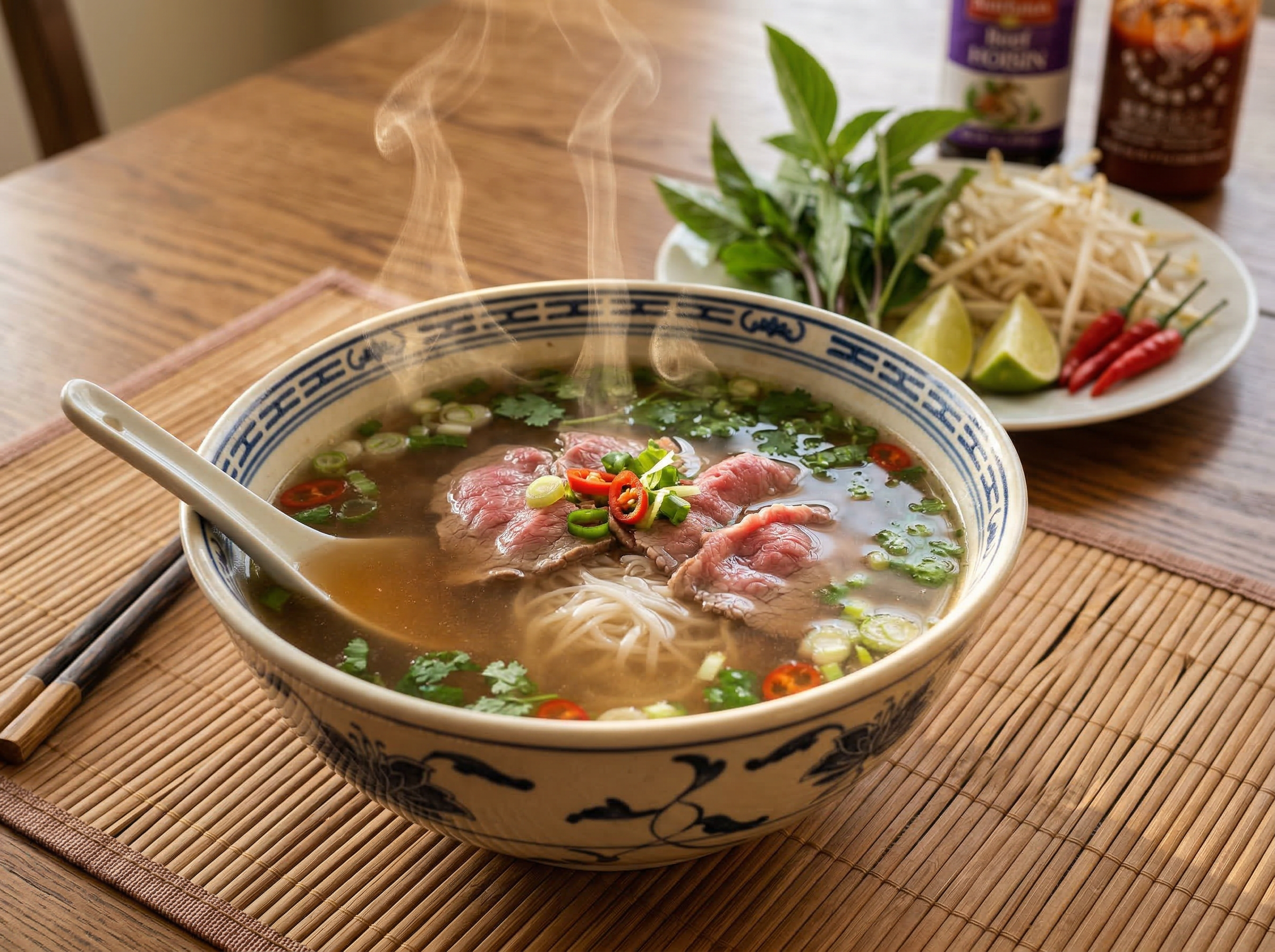
The pho bowl is the definitive technical challenge of Vietnamese food photography, and it operates on at least three simultaneous fronts. First, steam management: a freshly served bowl of pho produces dense, chaotic steam for approximately two to three minutes before it thins to more photogenic wisps. Shooting during the first two minutes produces obscured, foggy images where broth and noodles are invisible beneath the steam. Waiting five or more minutes eliminates steam entirely. The target window is two to four minutes after the bowl is placed - thin, directional wisps rising from specific points in the broth. Second, broth clarity: pho broth is transparent amber when properly made, and its clarity is a visual signal of quality. Noodles, if stirred or dropped into the bowl carelessly, will cloud the broth with surface starch within two minutes. Lower the noodles into the broth carefully, and do not stir. Third, the herb plate arrangement: the traditional companion plate of Thai basil, bean sprouts, fresh lime, and bird's eye chiles is itself a compositional element. Arrange the herbs with the tallest (basil sprigs) at the back and low-profile elements (bean sprouts, lime wedge) at the front.
Best Lighting for Vietnamese Photography
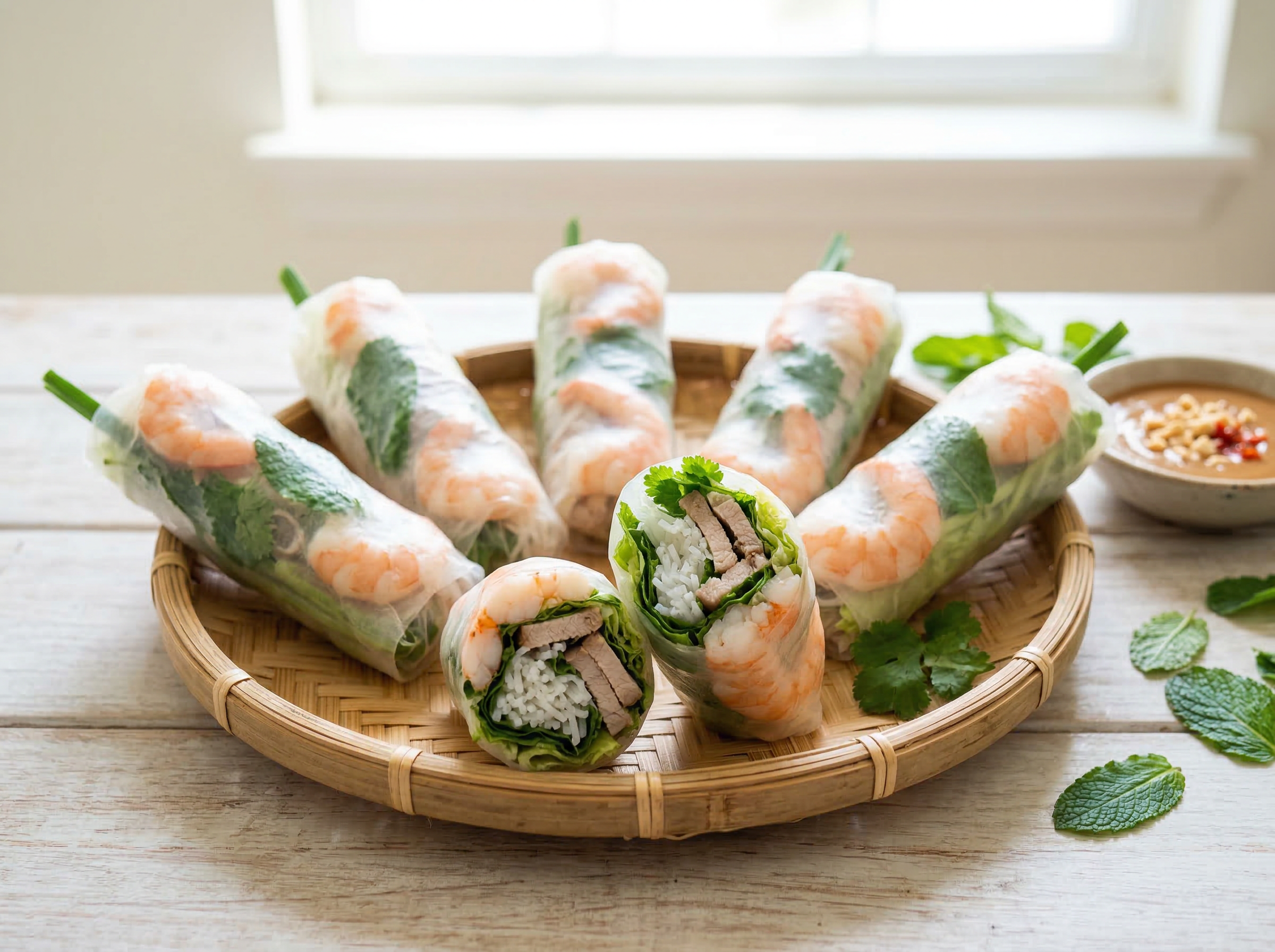
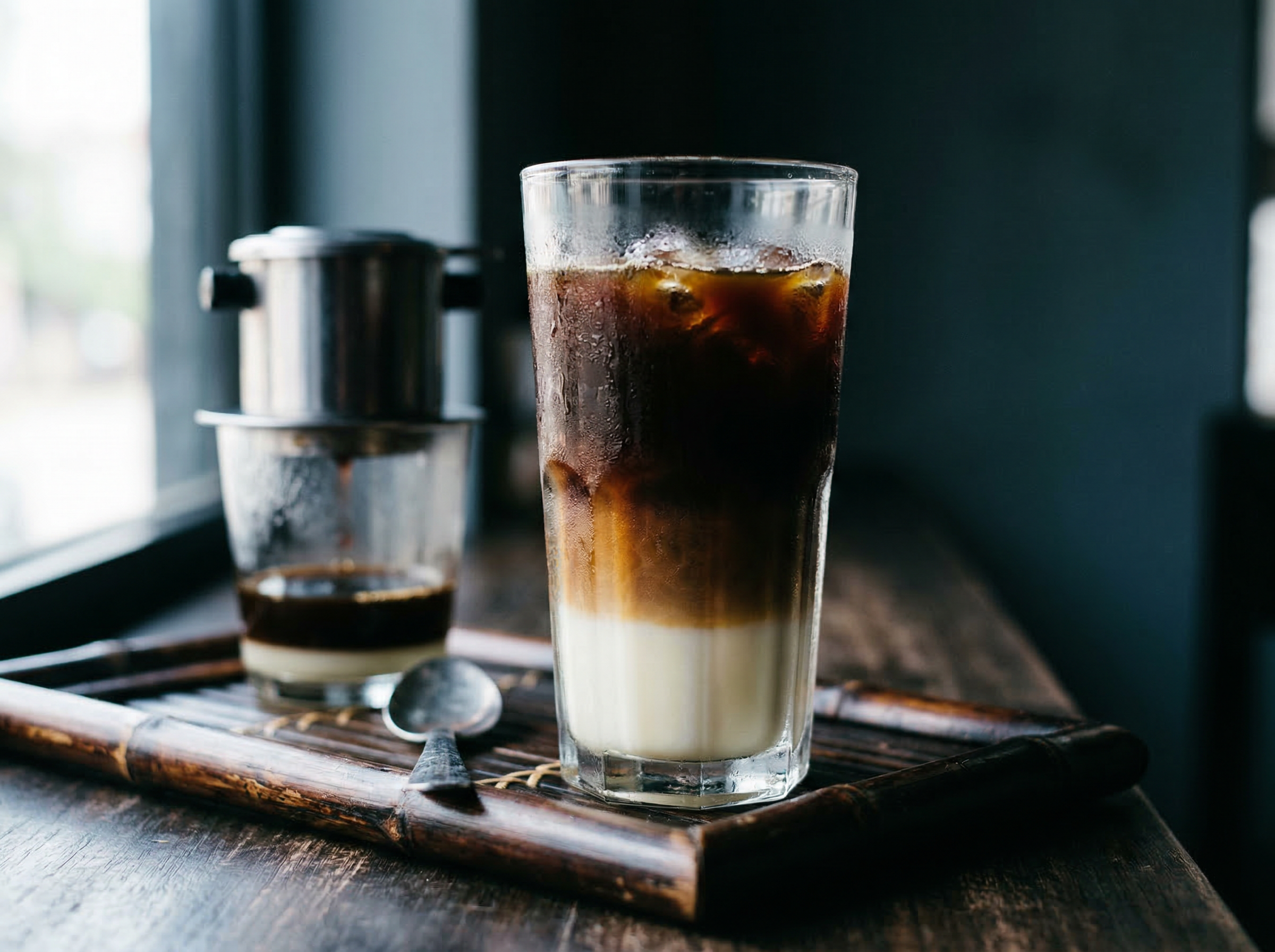
Vietnamese cuisine requires different lighting strategies for different dishes, which makes this cuisine one of the few where a single setup does not serve the full menu. For pho, warm bright natural light - the kind produced by an east-facing window in late morning - is ideal. This light temperature (4500–5500K, leaning warm) renders the amber broth at its most saturated and golden, highlights the pink of rare beef, and makes the steam wisps visible and defined rather than washed out. For fresh spring rolls (goi cuon), the opposite applies: cool, diffuse natural light at 5500–6200K is essential. The entire visual interest of goi cuon is the translucency of the rice paper wrapper - you must be able to see the shrimp, pork, and mint through the wrapper skin. Warm light flattens this translucency and makes the wrapper appear opaque. For bánh mì, a cross-section lit from a 45-degree side-front position at 5000–5500K illuminates the interior ingredients while keeping the caramelized baguette crust golden. Bánh xèo (sizzling crepe) benefits from warm directional light that enhances the golden-brown caramelization of the crepe edge. Vietnamese iced coffee with condensed milk should be photographed near a cool window to preserve the visual separation between the dark coffee and the white condensed milk.
Camera Angles for Vietnamese
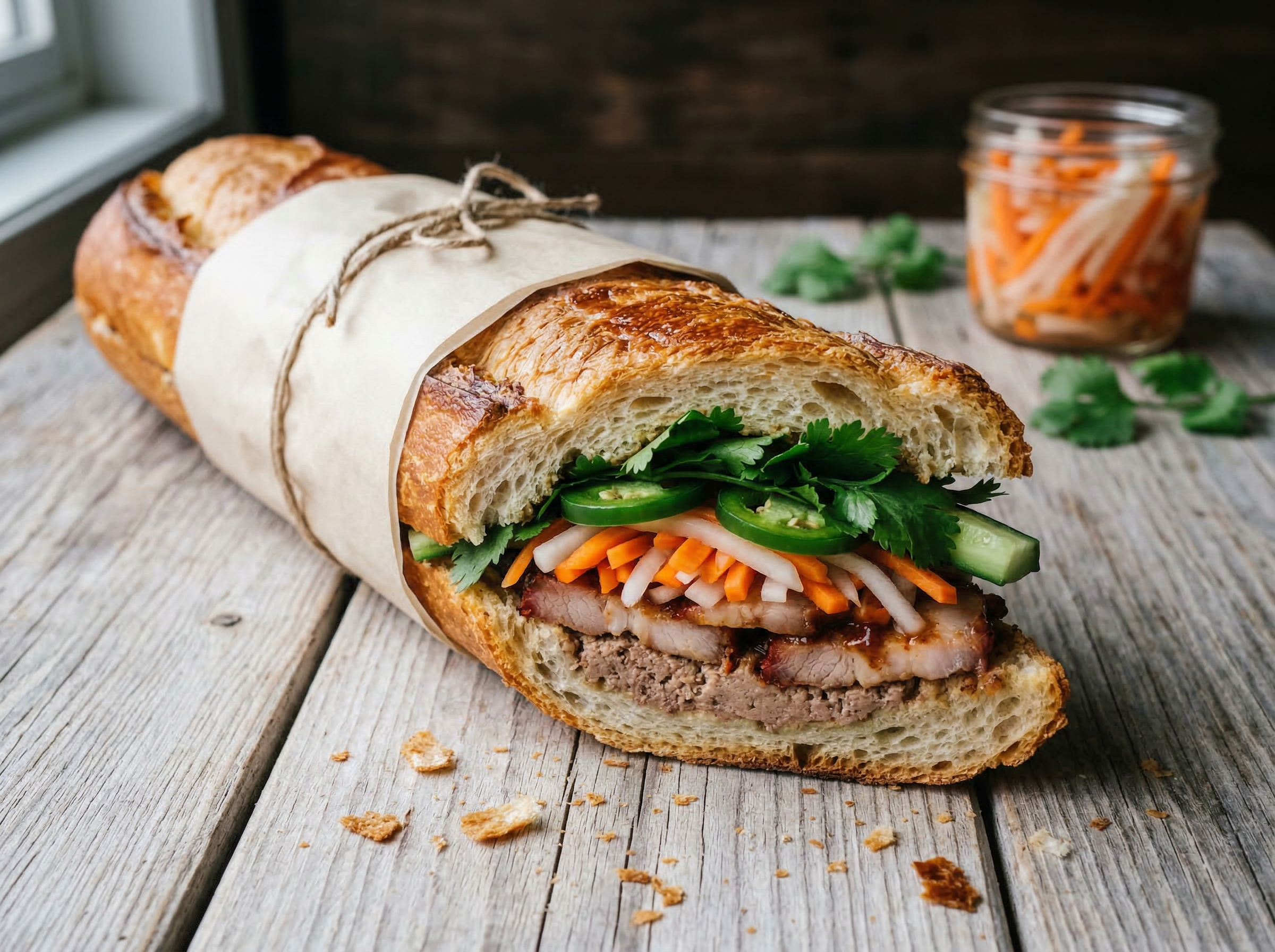
Eye-level (zero degrees from the surface of the bowl) is the defining angle for pho photography. This angle creates the impression of sitting across from the bowl - it shows the herb plate arrangement in the background, reveals the broth depth and the noodle mass within the bowl, and captures steam rising in the foreground. A slight elevation of 20–25 degrees above eye-level works for a wide table composition showing both the pho bowl and the accompanying herb plate, but pure eye-level is the most immersive. Fresh spring rolls (goi cuon) are best photographed at 45 degrees: this angle reveals the cross-section at one end (where the filling is visible through the cut wrapper) and shows the cylindrical form of the whole roll. Overhead or near-overhead also works for a group of spring rolls on a bamboo plate with dipping sauce. Bánh mì demands a strict 45-degree cross-section angle - place the baguette diagonally in frame with the cut face angled toward the camera, revealing the layered interior of pâté, pork, pickled carrot and daikon, jalapeño, and cilantro simultaneously. Eye-level bánh mì shots are too flat to communicate the height and density of the filling. Com tam (broken rice with grilled pork) and bánh xèo work well at 25–35 degrees above eye-level, showing both the surface detail and the overall plate composition.
Food Styling and Props
Vietnamese food styling emphasizes natural, fresh, almost artless abundance rather than constructed precision. For pho, the bowl itself is the hero prop: a deep Vietnamese ceramic bowl (typically white or cream with a blue pattern) placed on a woven bamboo placemat. The herb plate should be a round dish placed to the left or behind the bowl with herbs loosely arranged - a few basil sprigs, a small mound of bean sprouts, two lime wedges, and two or three whole bird's eye chiles. Chopsticks and a wide ceramic spoon rest on the rim of the bowl or on a ceramic rest. A small bottle of hoisin and sriracha in the background adds authentic context. For goi cuon, arrange four to six whole spring rolls in a loose fan or line on a round bamboo plate or banana leaf. Halve one roll and place it at the front of the arrangement with the cut face facing the camera - this single cut roll is the hero element that reveals the interior. A small bowl of peanut-hoisin dipping sauce beside the plate completes the composition. For bánh mì, a sheet of unbleached parchment paper beneath the baguette adds a casual deli aesthetic that reads authentically for the dish. Wrap the lower two-thirds of the baguette in parchment and fold it loosely before the shot - the visible parchment communicates the to-go, street-food identity of bánh mì. For Vietnamese coffee (cà phê), style the phin filter dripping into the glass on a small tray with a single condensed milk spoon and a second glass of ice beside it.
Recommended props
Equipment Guide
A 50mm or 85mm prime lens is the ideal choice for Vietnamese food photography. For pho at eye-level, the 85mm provides a slight compression that makes the background herb plate appear closer and more connected to the bowl, reinforcing the contextual, complete-meal narrative. The 50mm is more versatile for the variety of dishes in the Vietnamese menu. For goi cuon cross-section shots, a macro lens (90mm or 100mm) reveals the stunning internal detail - shrimp, pork, rice vermicelli, and mint - visible through the translucent wrapper, and this level of detail is a powerful quality signal in delivery app photography. Pho steam photography is best handled with a medium aperture (f/4–f/5.6) that keeps both the broth surface and the herb plate in acceptable focus - shooting at f/1.8 for a pho bowl causes the herb plate to go completely soft, losing the contextual composition. A diffusion panel (a translucent white fabric stretched over a frame) positioned between the window and the set transforms harsh morning sunlight into a soft directional source. For restaurant photography, a small portable LED panel with adjustable color temperature allows you to shift quickly between the warm setting for pho and the cool setting for goi cuon.
Skip the photoshoot — enhance the vietnamese photos you already have
The techniques on this page take time to master. MenuPhotoAI applies the same lighting, color, and texture corrections — automatically — to the smartphone photos you already shot. Studio-quality results in 30 seconds.
Try free — 5 credits, no cardCommon Vietnamese Photography Mistakes
Shooting pho during the first 90 seconds when steam is too dense
In the first 90 seconds after a pho bowl is served, steam production is at its peak - thick, opaque, and chaotic. This steam obscures the broth, noodles, and garnish entirely. Wait for the initial surge to subside, then shoot at the two to four minute mark when the steam has thinned to directional wisps that frame the bowl without obscuring it. The wisps are more photographically useful than the initial cloud.
Photographing goi cuon with warm light that makes rice paper opaque
The entire visual appeal of fresh spring rolls is the translucency of the rice paper wrapper, which allows the viewer to see the shrimp, pork, herbs, and noodles within. Warm light reduces this translucency by adding a yellow cast that visually thickens the wrapper. Use cool natural light (5500–6200K) from a large window or softbox to preserve the rice paper's see-through quality, which is the dish's primary freshness and quality signal.
Shooting bánh mì from the side without showing the cross-section
A bánh mì baguette photographed from the side, with the cut face hidden, looks like any other sandwich roll. The cross-section - revealing the layered interior of pâté, multiple pork preparations, pickled vegetables, jalapeño, and cilantro - is the entire visual identity and value signal of the dish. Always cut the baguette on a 60-degree bias and position the cut face directly toward the camera before shooting.
Stirring pho broth before shooting and losing clarity
Noodles coated in surface starch will immediately cloud the broth when stirred. Pho broth clarity - the pure, clean amber transparency - is a primary quality signal in photography. Lower noodles gently into the bowl without stirring, and position any protein garnishes (rare beef, brisket) without touching the broth surface more than once. Photograph before any stirring occurs. Cloudy pho reads as improperly cooked or old.
Neglecting the herb plate as a compositional element
The herb plate is not an afterthought - it is an essential compositional element in pho photography that provides height, color contrast (green, red, white), and authentic cultural context. A pho bowl photographed without the herb plate looks incomplete and misses the narrative of the customizable, interactive eating experience. Always stage the herb plate behind or beside the bowl within the frame.
Editing Tips
Vietnamese food editing should feel warm, slightly hazy (like steam and tropical humidity), and herbaceous in its color palette. For pho, pull the orange and amber tones in the broth upward in the HSL panel - the broth should glow. Add a subtle warm haze to the atmosphere by lifting the black point slightly in the tone curve. For goi cuon, ensure the white balance is cool and the rice paper maintains its translucent quality - do not add clarity at high values, which will make the wrapper look opaque. For bánh mì, target the bread crust in the orange-yellow HSL range to deepen the caramelization. Increase texture on the crumb interior. For Vietnamese coffee, preserve the dark-to-light gradient between coffee and condensed milk - reduce blacks in the dark area and protect the white of the condensed milk from blowing out.
Platform-Specific Tips
On DoorDash and Uber Eats, pho category images perform best as an eye-level or 25-degree shot that shows the full bowl with visible steam - this communicates warmth and abundance simultaneously. Individual menu item images should use a tighter framing that makes the portion size clear: a single pho bowl filling 80% of the frame in landscape format. For bánh mì on delivery platforms, the cross-section shot is essential - it communicates filling density and quality at thumbnail scale in a way that a closed-baguette exterior shot never can. For Instagram, Vietnamese food consistently performs well in aesthetic flat-lay setups showing the full meal context: pho bowl, herb plate, chopsticks, tea glass, all arranged on a bamboo surface from an overhead-to-slightly-tilted angle. Vietnamese coffee close-ups - the condensed milk cloud forming in the dark coffee - are extremely high-performing detail shots for Stories and Reels. For print menus, a side-view pho with steam rising is the classic choice for the restaurant category header; goi cuon cross-sections work well as small inset images in menu body copy. Bánh mì in parchment paper at 45 degrees is a strong choice for to-go menu covers.
Vietnamese Photo Examples
Real vietnamese photos from restaurants using MenuPhotoAI, enhanced by AI in under 30 seconds.
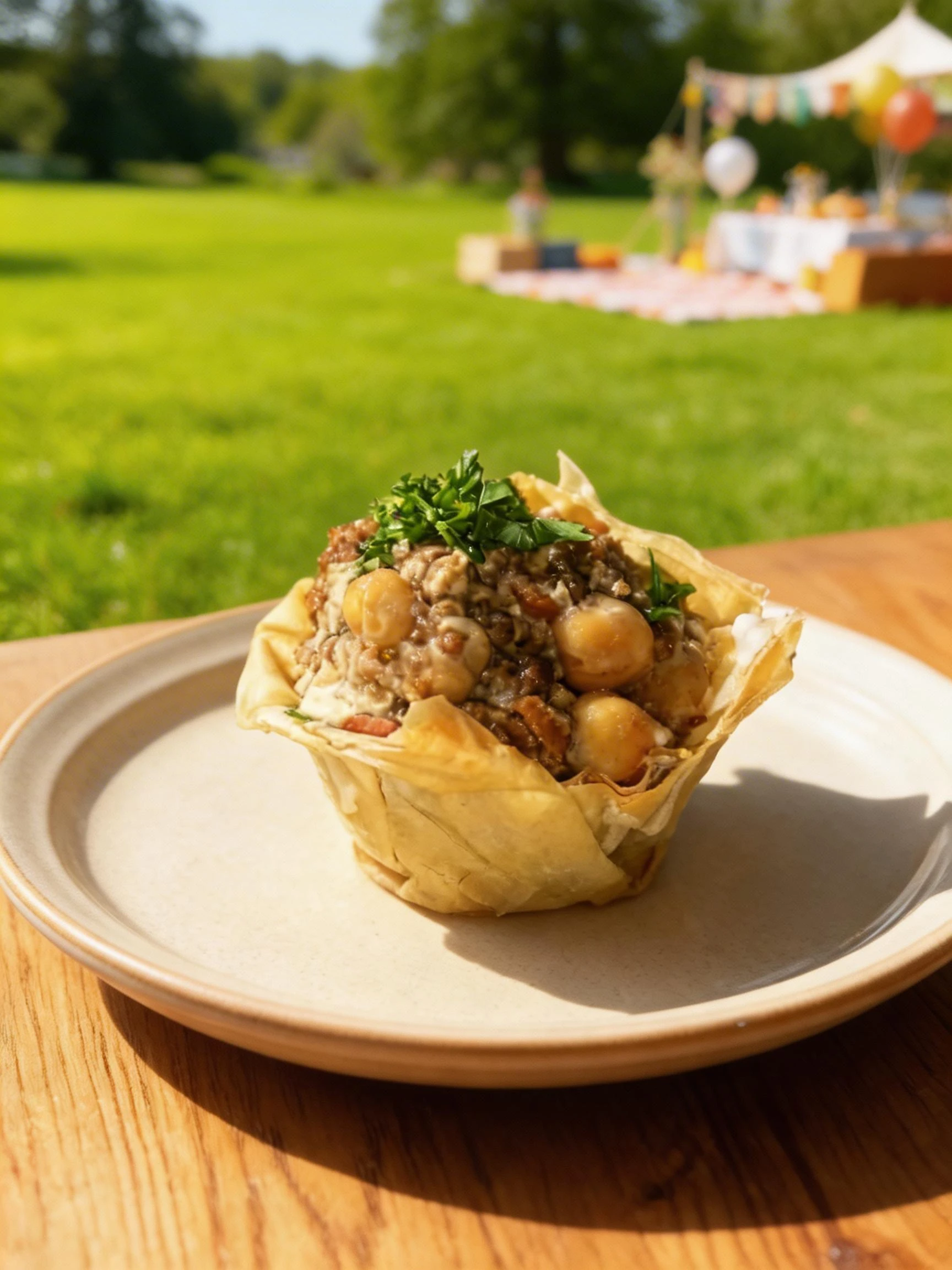
Soup
20 examples
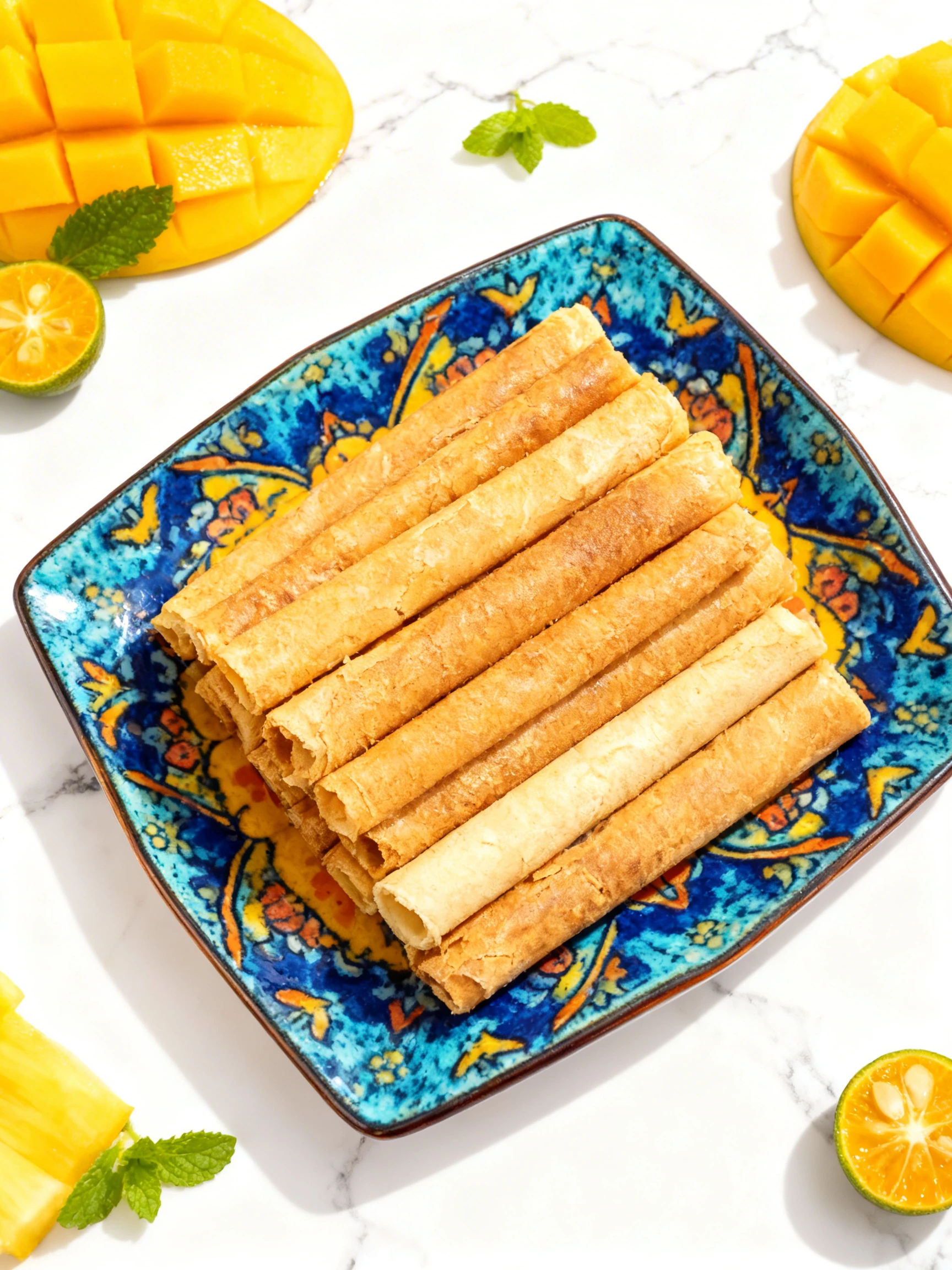
Spring Rolls
10 examples
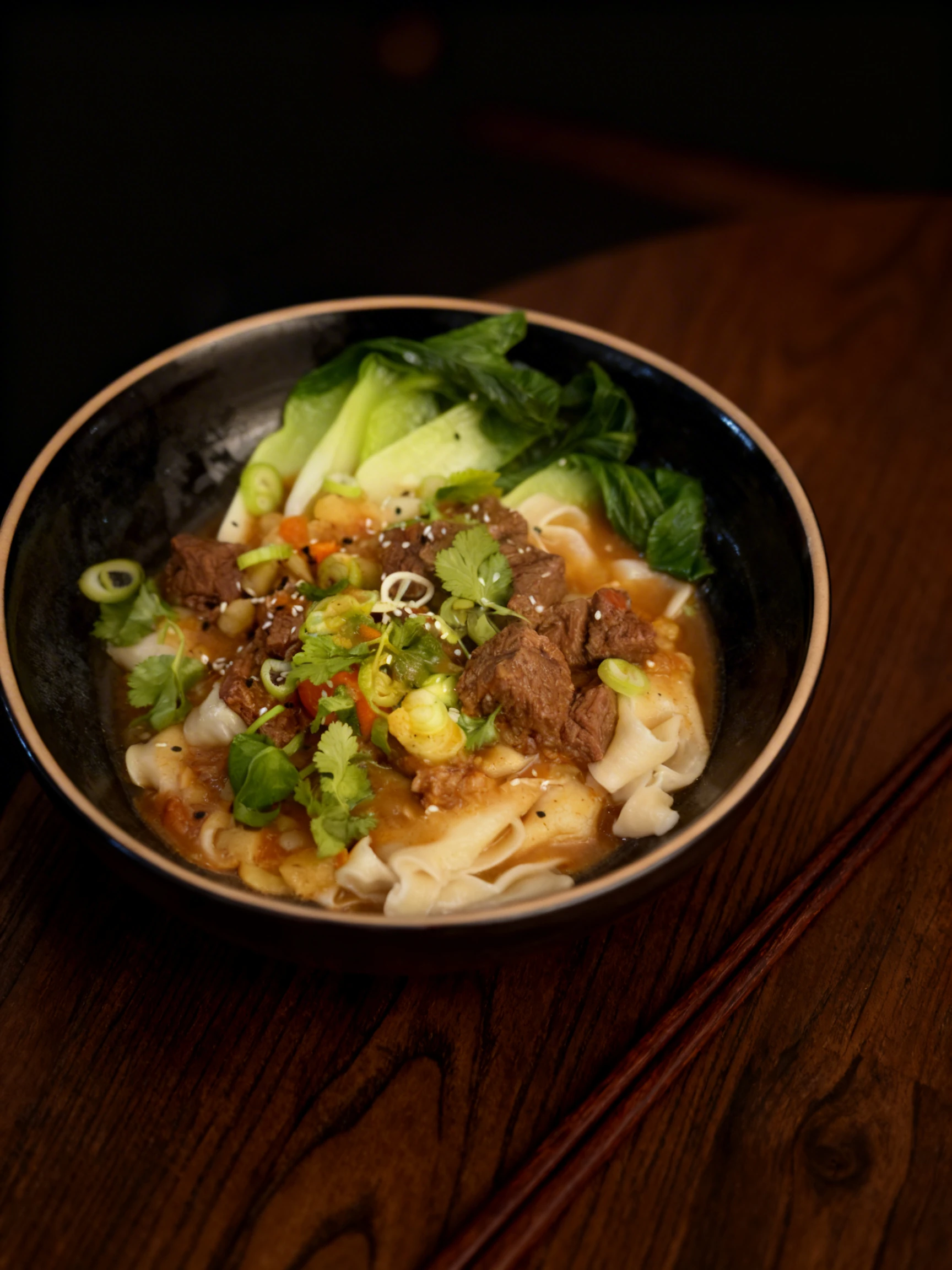
Pho
7 examples
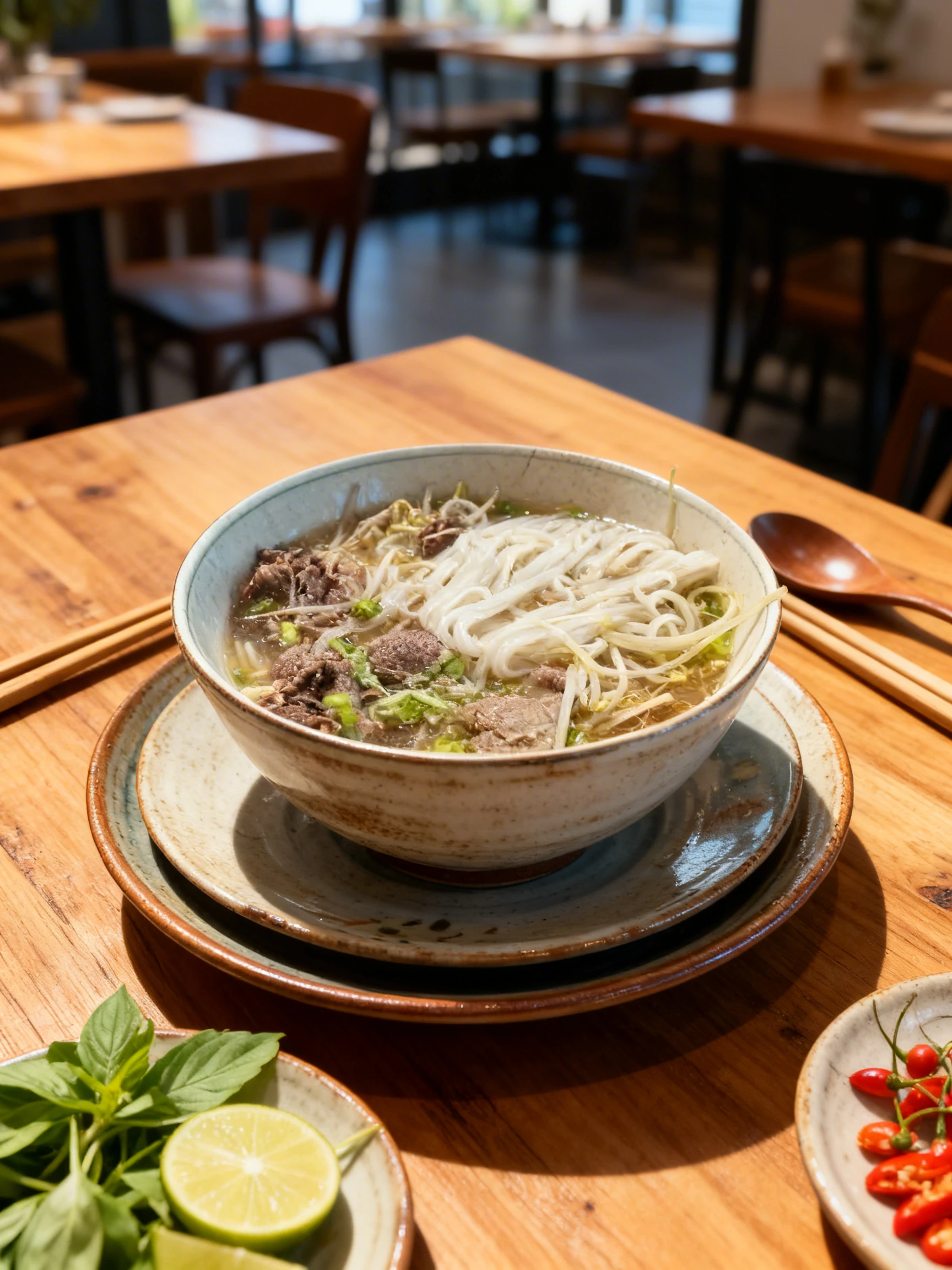
Vietnamese Food
16 examples
Take your Vietnamese photos further with AI
Once you have a solid shot using the techniques above, MenuPhotoAI can handle the finishing work. Our AI removes distracting backgrounds, corrects exposure and white balance, and applies cuisine-appropriate color grading — turning a good smartphone photo into something you'd be proud to put on your menu or delivery app listing. Start with 5 free photos, no credit card required.
Frequently Asked Questions
Skip the photoshoot — enhance the vietnamese photos you already have
The techniques on this page take time to master. MenuPhotoAI applies the same lighting, color, and texture corrections — automatically — to the smartphone photos you already shot. Studio-quality results in 30 seconds.
Try free — 5 credits, no cardMore Cuisine Photography Guides
This guide reflects best practices for Vietnamese food photography as of 2026. Techniques may vary based on specific dishes, equipment, and shooting conditions. MenuPhotoAI is an AI food photo enhancement platform.