
Photography Guide
Vegan Food Photography Guide
Avoiding the "sad salad" look - color blocking and texture layering must work simultaneously to make plant-based dishes look as satisfying as meat-based equivalents.
Primary Angle
Overhead
Lighting
Bright fresh natural daylight with neutral white balance
Read time
~8 min
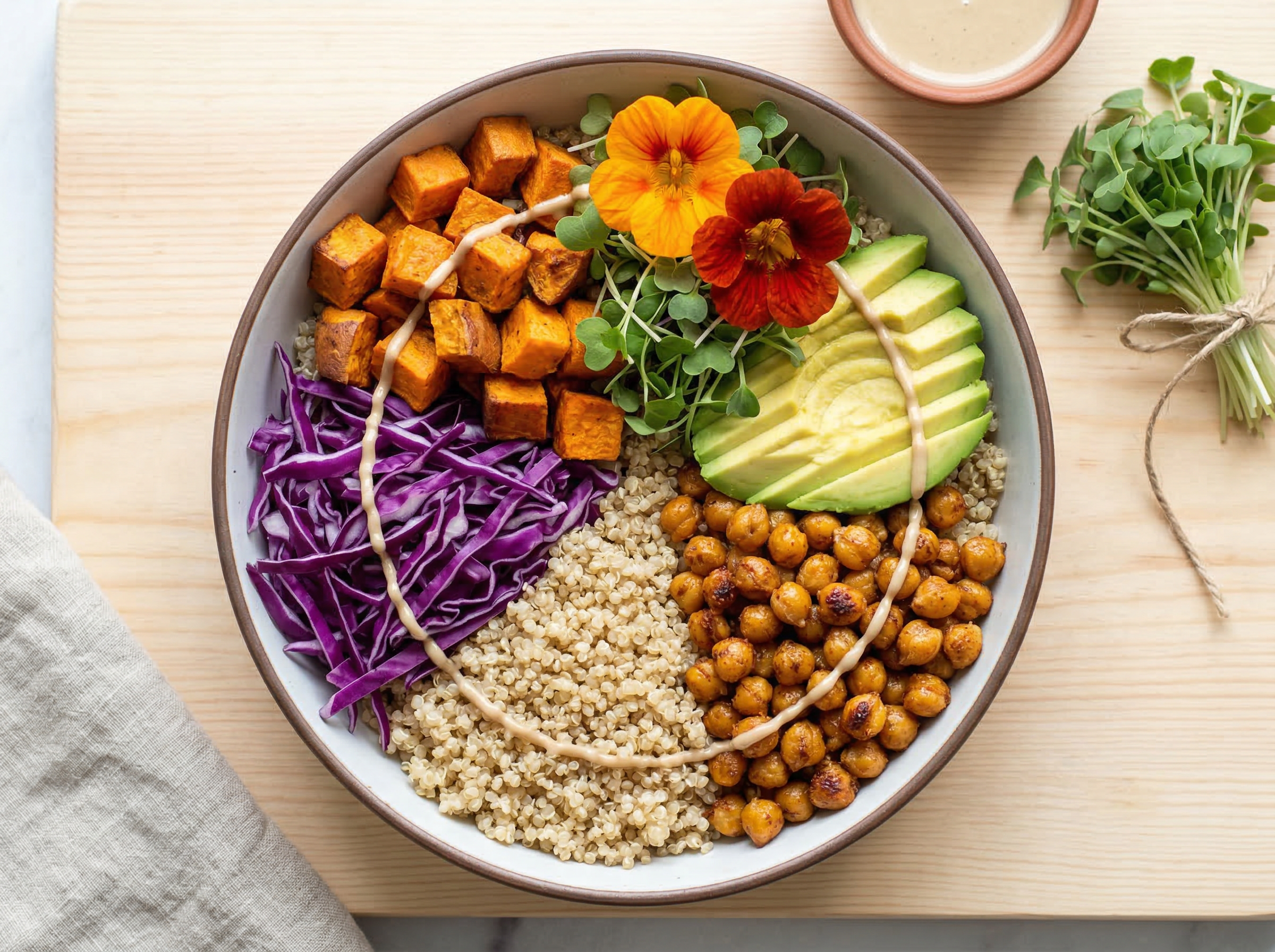
Vegan food photography faces a challenge that no other cuisine category confronts so directly: the persistent cultural perception that plant-based food is inherently less satisfying, less colorful, and less visually compelling than meat-based dishes. Great vegan photography does not just document food - it actively argues against this perception. A well-photographed jackfruit taco must look as hearty and textured as a beef taco. A vegan burger must look as substantial as its meat counterpart. A Buddha bowl must read as abundant and nutritionally complete rather than as a bowl of raw vegetables. The tools for achieving this are specific: deliberate color blocking that prevents the "brown-green mush" problem, texture layering that adds visual depth through contrasting ingredients, precise lighting that keeps greens vibrant without going neon, and angles that communicate volume and generosity rather than flatness. This guide addresses each major vegan dish category with the specificity needed to photograph plant-based food honestly and compellingly.
What Makes Vegan Challenging to Photograph
The "sad salad" problem in vegan photography is caused by three convergent factors: monochromatic color (too much green with no contrast), uniform texture (everything soft and moist with no crunch or structural variation), and angle choices that flatten depth and volume. Solving it requires working on all three fronts simultaneously. Color blocking means deliberately ensuring that each dish contains at least three distinct color families - not just shades of green and brown, but bright reds (roasted cherry tomatoes, red cabbage, beets), yellows and oranges (sweet potato, mango, turmeric-roasted cauliflower), and deep purples or whites (purple cabbage, tahini drizzle, quinoa). Texture layering means including at least one element that provides a hard crunch (seeds, nuts, pita chips, roasted chickpeas) against the softer primary ingredients. Structurally, vegan dishes must avoid the low, flat plate that makes food look depressed - use a deep bowl over a flat plate wherever possible, build height with stacked elements, and use microgreens or fresh herb sprigs as vertical accent at the highest point of the composition. Making jackfruit or lentil-based proteins look as textured and hearty as meat requires shooting at a close angle that shows the fiber and sear rather than a wide angle that reveals small portion size.
Best Lighting for Vegan Photography
Bright, fresh natural daylight is the correct lighting environment for the vast majority of vegan dishes, and this alignment between light character and food category is not accidental. Cool-to-neutral daylight (5000–6000K) renders the green chlorophyll pigments in leafy vegetables, herbs, and microgreens at their most saturated - the same light that makes vegetables look brilliant at a farmers market does the same in food photography. Warm amber light shifts greens toward yellow-green, which reads as wilted or old. This is a critical error in vegan photography where the vibrancy of the vegetables is the primary freshness and quality signal. For grain and Buddha bowls, position the light source high and at a 45-degree angle from the front of the set - this creates the slight directional shadow within each ingredient section that reveals texture and volume without creating harsh contrasts. For the açaí smoothie bowl, work quickly under low-heat LED lighting - the bowl melts under continuous hot lights within two to three minutes. For jackfruit tacos and vegan burgers, a slight warm accent fill from a secondary source at low power (25% of key light output) can enhance the caramelized edges of jackfruit and the char on a vegan burger patty without warming the overall image temperature.
Camera Angles for Vegan
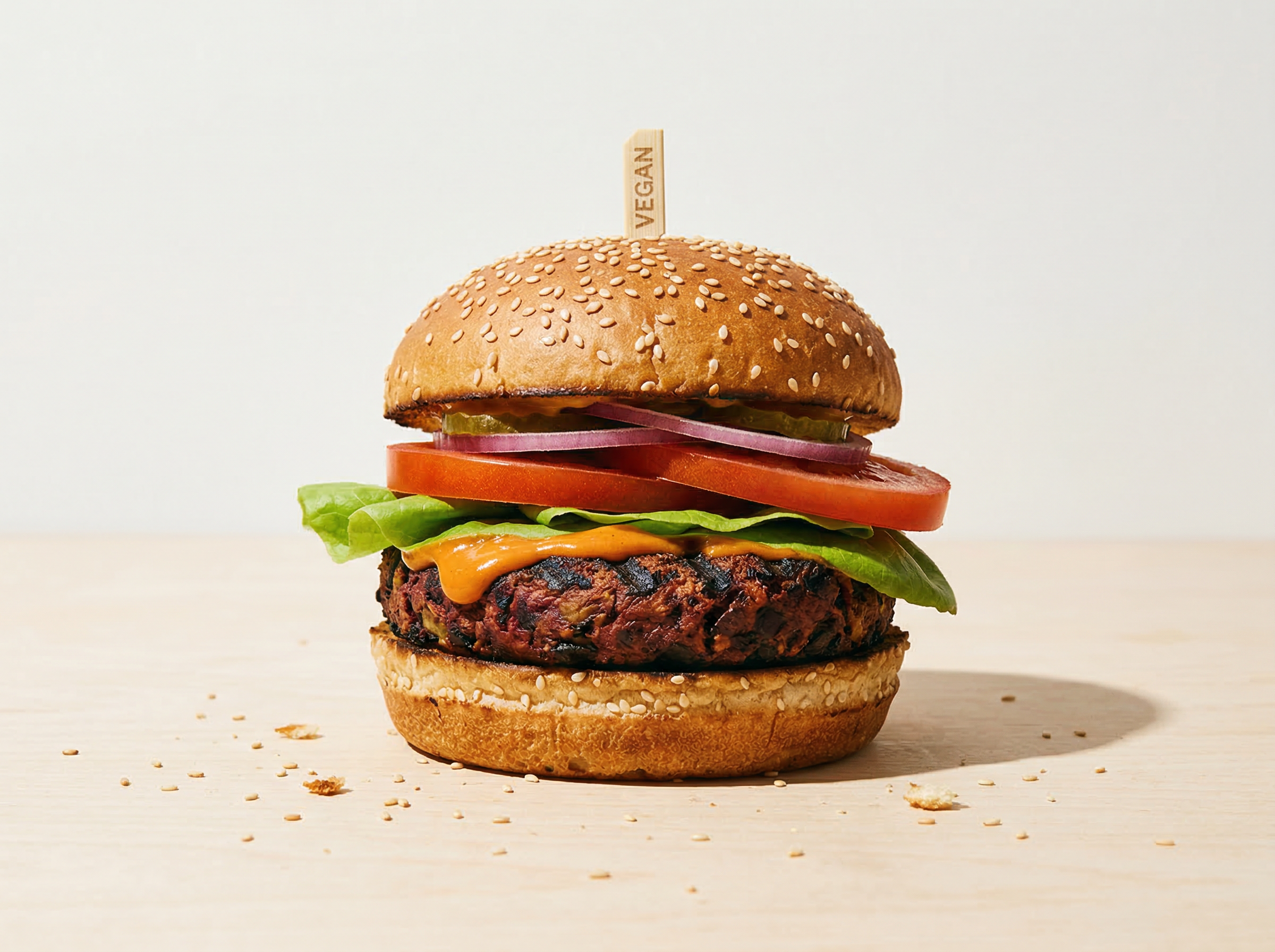
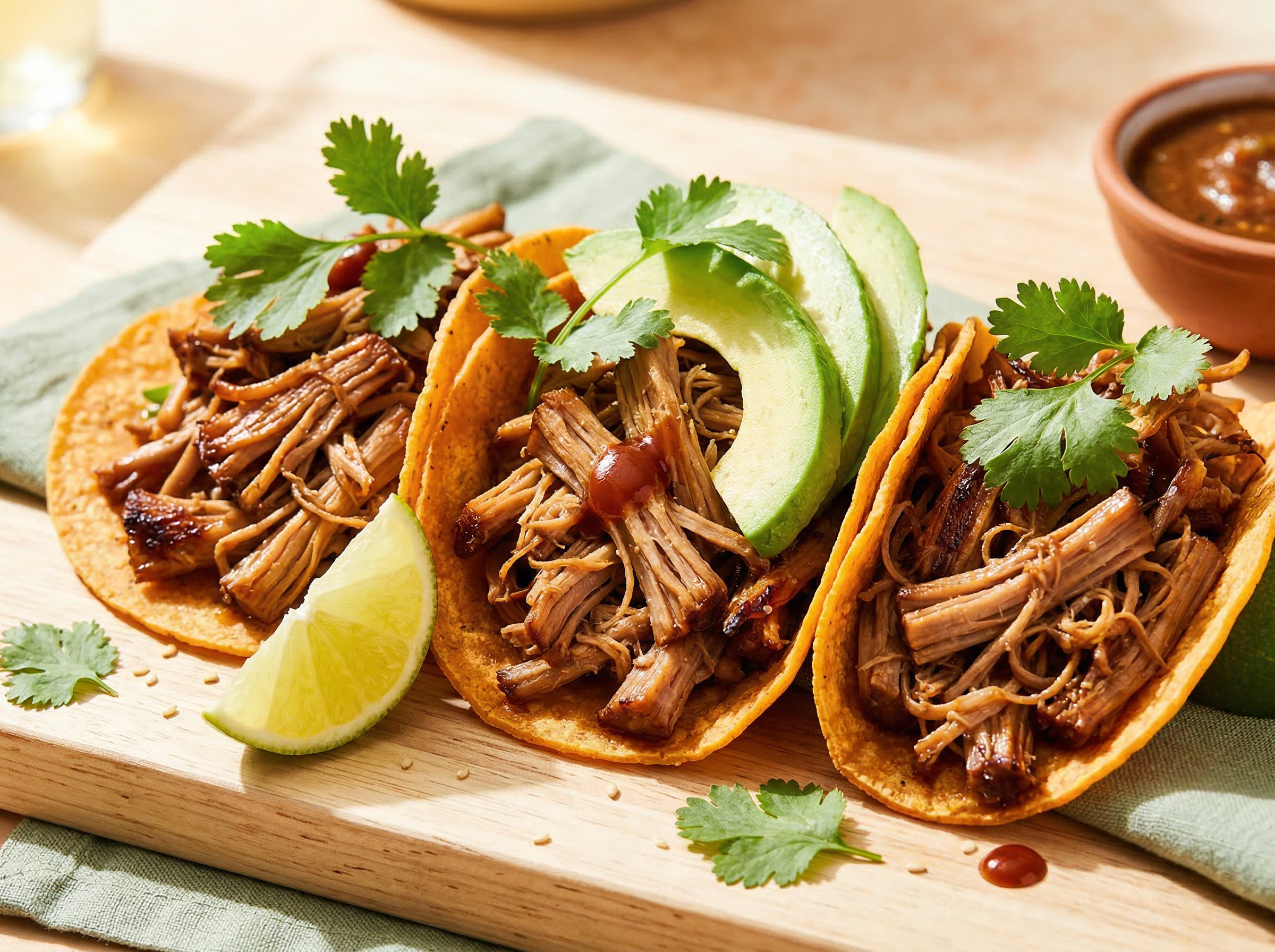
Overhead is the primary angle for grain bowls, Buddha bowls, and açaí smoothie bowls - the same logic that applies to poke bowls governs vegan bowls: the composition is designed to be read as a graphic, sectioned arrangement from directly above. At 90 degrees overhead, color blocking and topping sections are fully legible, the circular bowl geometry is undistorted, and the full variety of ingredients is simultaneously visible. Jackfruit tacos perform significantly better at a 45-degree angle: this reveals the height of the filling above the tortilla, shows the caramelized edges of the jackfruit, and communicates the handheld, generous-filling quality of the taco that overhead completely flattens. Vegan burgers must be photographed at true eye-level, in line with the equator of the bun - this is the angle that makes any burger look as tall and substantial as possible, and it is even more critical for vegan burgers because the "this looks like a real burger" test happens at this angle. Stuffed peppers benefit from a 30–40-degree angle that shows both the pepper exterior and the filling visible at the top opening. Cashew cheese pizza should be photographed at 45 degrees with a pull-slice action visible - the cheese stretch from cashew-based mozzarella is the hero moment and only visible from this angle.
Food Styling and Props
Vegan food styling must fight the monotony of all-natural ingredients with deliberate composition choices. For grain and Buddha bowls, apply the same sectioned topping logic as poke bowls: each ingredient in its own zone, with a visible grain base at the edges. The color sequence around the bowl should alternate between warm and cool tones - roasted sweet potato (warm orange) next to purple cabbage (cool), quinoa (neutral) next to roasted chickpeas (warm brown). This color alternation prevents the brown-green monotony that characterizes poorly styled vegan bowls. Use at least one bright garnish element that sits above the plane of the toppings: microgreens, edible flowers, or a drizzle of bright tahini or cashew cream. Edible flowers - pansies, nasturtiums, borage - are perhaps the single most powerful tool in vegan photography for adding unexpected color pops that communicate premium and abundance without adding ingredients that change the dish. For jackfruit tacos, pull the jackfruit into visible shreds before plating and build the taco filling deliberately tall and loose - a tightly packed taco looks dense and heavy, while a loosely filled one communicates abundance and texture. For vegan burgers, use a toothpick through the center of the assembled burger to hold height, and remove it for the photo or keep it if it adds a rustic aesthetic. The bun interior should be visible - lettuce, tomato, and sauce should be visible at the edges of the bun. For açaí smoothie bowls, work from a pre-staged frame and swap in the real bowl at the last possible moment - no prop rearranging after the bowl arrives.
Recommended props
Equipment Guide
For vegan bowl photography at overhead angles, a camera boom arm is necessary for consistent framing without camera shake - the same requirement as poke bowl photography. A 50mm prime on a full-frame camera provides the correct field of view for a 10–11-inch bowl without distortion. For jackfruit tacos and vegan burgers at 45 degrees and eye-level respectively, an 85mm prime provides attractive background compression and isolates the dish cleanly from props. For açaí bowls and smoothie bowls, a continuous LED light setup running at cool 5600K is preferable to hot tungsten lights - the heat generated by tungsten panels will melt the bowl during setup. A set of small kitchen tweezers is essential for vegan bowl styling, where precise placement of individual seeds, microgreens, and edible flowers determines the quality of the composition. A squeeze bottle with a fine-tip nozzle (the kind used in restaurant kitchens) is invaluable for applying tahini drizzles, cashew cream lines, and balsamic reductions with precision - these drizzle elements are difficult to control with a spoon and messy applications ruin the composition. Keep a fine-mist spray bottle nearby to refresh wilting microgreens and herb garnishes between shots.
Skip the photoshoot — enhance the vegan photos you already have
The techniques on this page take time to master. MenuPhotoAI applies the same lighting, color, and texture corrections — automatically — to the smartphone photos you already shot. Studio-quality results in 30 seconds.
Try free — 5 credits, no cardCommon Vegan Photography Mistakes
Monochromatic green-and-brown plating that reads as unappealing
A bowl of greens, roasted vegetables, and grains without deliberate color contrast reads as visually undifferentiated and unappealing in photography, regardless of how delicious it is. Every vegan dish should include at least three distinct color families. Add purple cabbage, roasted beets, mango, or red bell pepper to break the green-brown monotony. Color contrast is the single highest-impact change in vegan food styling.
Photographing the vegan burger at 45 degrees instead of eye-level
A vegan burger shot from 45 degrees looks flat and small. The eye-level angle - with the camera lens aligned with the horizontal midpoint of the bun - is what makes any burger look tall, substantial, and satisfying. This angle is even more critical for vegan burgers, which must communicate the same volume and heartiness as meat burgers. Never compromise on this angle for the hero burger shot.
Letting the açaí smoothie bowl melt before shooting
Açaí and smoothie bowls begin melting immediately and are a semi-liquid mess within five to eight minutes under studio lights. Build and photograph your composition using a stand-in bowl (a bowl of the same size filled with colored foam or a mock-up) during lighting setup. Swap to the real bowl only when the camera is ready to fire, frame is confirmed, and your finger is on the shutter. Shoot immediately - there is no time for post-plating adjustments.
Using warm amber light that makes greens look wilted
Warm tungsten or amber light shifts chlorophyll-green pigments toward yellow-green, which reads as wilted, oxidized, or old in food photography. This is a uniquely damaging effect for vegan food, where the vibrancy of green vegetables is the primary freshness signal. Always use daylight-balanced (5000–6200K) light as the key source for any dish featuring leafy greens, herbs, broccoli, or edamame.
Failing to add height and texture to jackfruit tacos
Jackfruit tacos photographed with tightly packed, flat fillings look small and dense - the opposite of the abundant, meaty quality jackfruit is supposed to communicate as a pork substitute. Pull the jackfruit into long, loose shreds and pile the filling generously above the tortilla rim. Add a few tall cilantro sprigs and a slice of avocado that extends above the filling line to add vertical interest. Shoot at 45 degrees to capture the full height.
Editing Tips
Vegan food editing targets vibrant, clean color reproduction without tipping into the oversaturated "food blogger neon" look. Begin by confirming white balance is neutral to slightly cool - green vegetables should appear true green, not yellow-green. In the HSL panel, boost green saturation and luminance to lift leafy elements without touching other color ranges. Add aqua and yellow saturation for edamame and roasted corn. For roasted sweet potato and caramelized jackfruit, add targeted orange saturation and reduce orange luminance to deepen the caramelized color. Increase texture and clarity at 15–20 points to reveal seed detail, grain texture, and the fiber of jackfruit or tempeh. Avoid heavy dark contrast curves - vegan food should feel bright and energizing, not moody. A subtle lift of the shadows (plus 10–15) keeps the image feeling light and fresh.
Platform-Specific Tips
On DoorDash and Uber Eats, vegan and plant-based menu categories convert best when the hero image communicates abundance and satisfaction - not health deprivation. A densely topped Buddha bowl or a tall vegan burger photographed at eye-level performs better in A/B testing than sparse, "clean" minimalist compositions for delivery platform CTR. Use a square 1:1 overhead crop for bowl items, a landscape 3:2 for burgers and tacos. For Instagram, vegan food is one of the highest-saved content categories, driven by users who save recipes or aspirational dishes. Reels showing the assembly of a Buddha bowl section by section - building from the grain base upward - consistently outperform static posts in reach. Edible flowers on any vegan bowl generate disproportionate engagement for their cost and ease of application. For print menus, the vegan section benefits from photography that uses the same warm, abundant, premium styling language as the meat sections - avoid using different photography styles for vegan items (e.g., lighter, airier styling) as this inadvertently signals that vegan dishes are less substantial.
Vegan Photo Examples
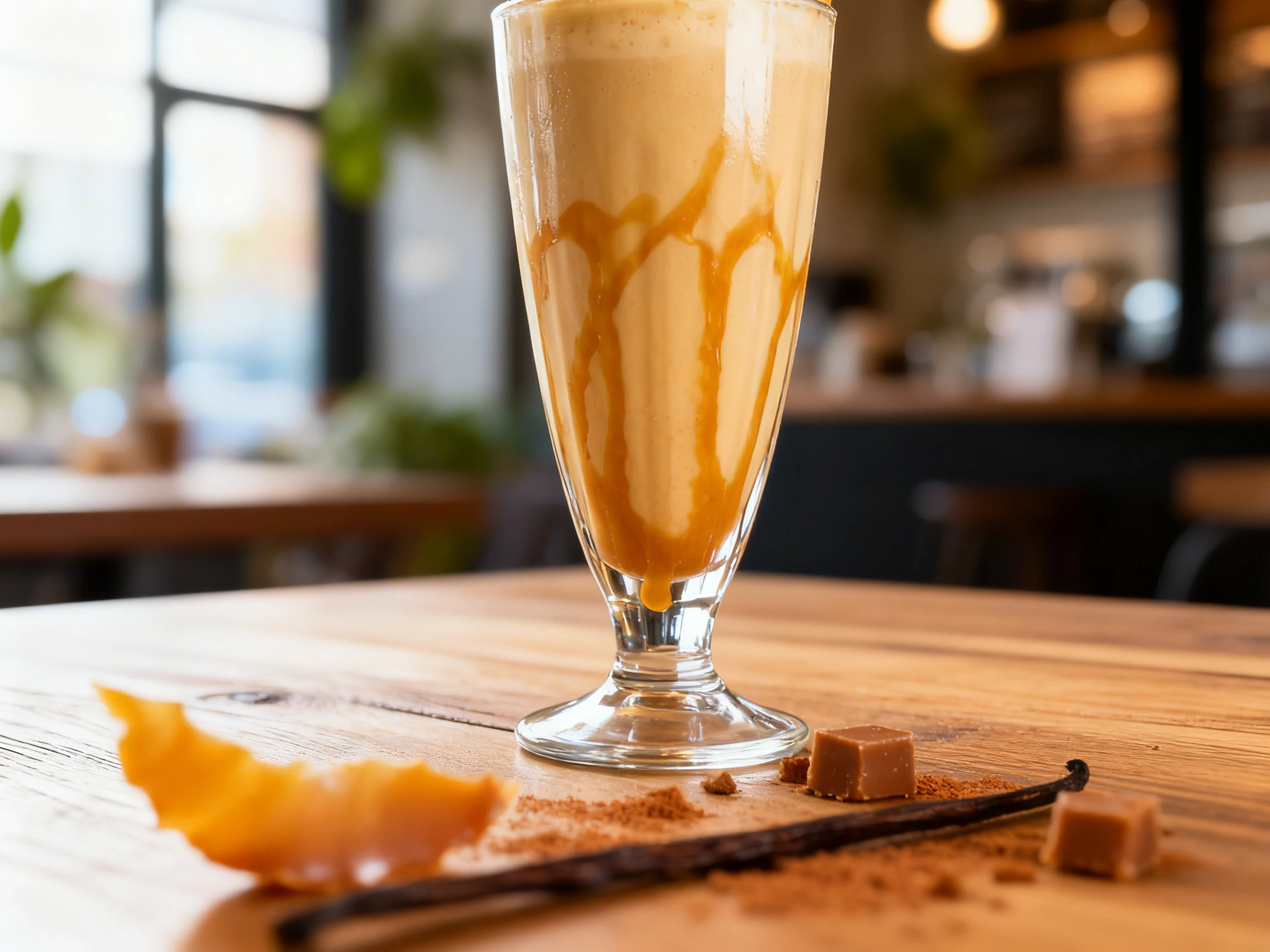
Real vegan photos from restaurants using MenuPhotoAI, enhanced by AI in under 30 seconds.
Smoothie Bowls
8 examples
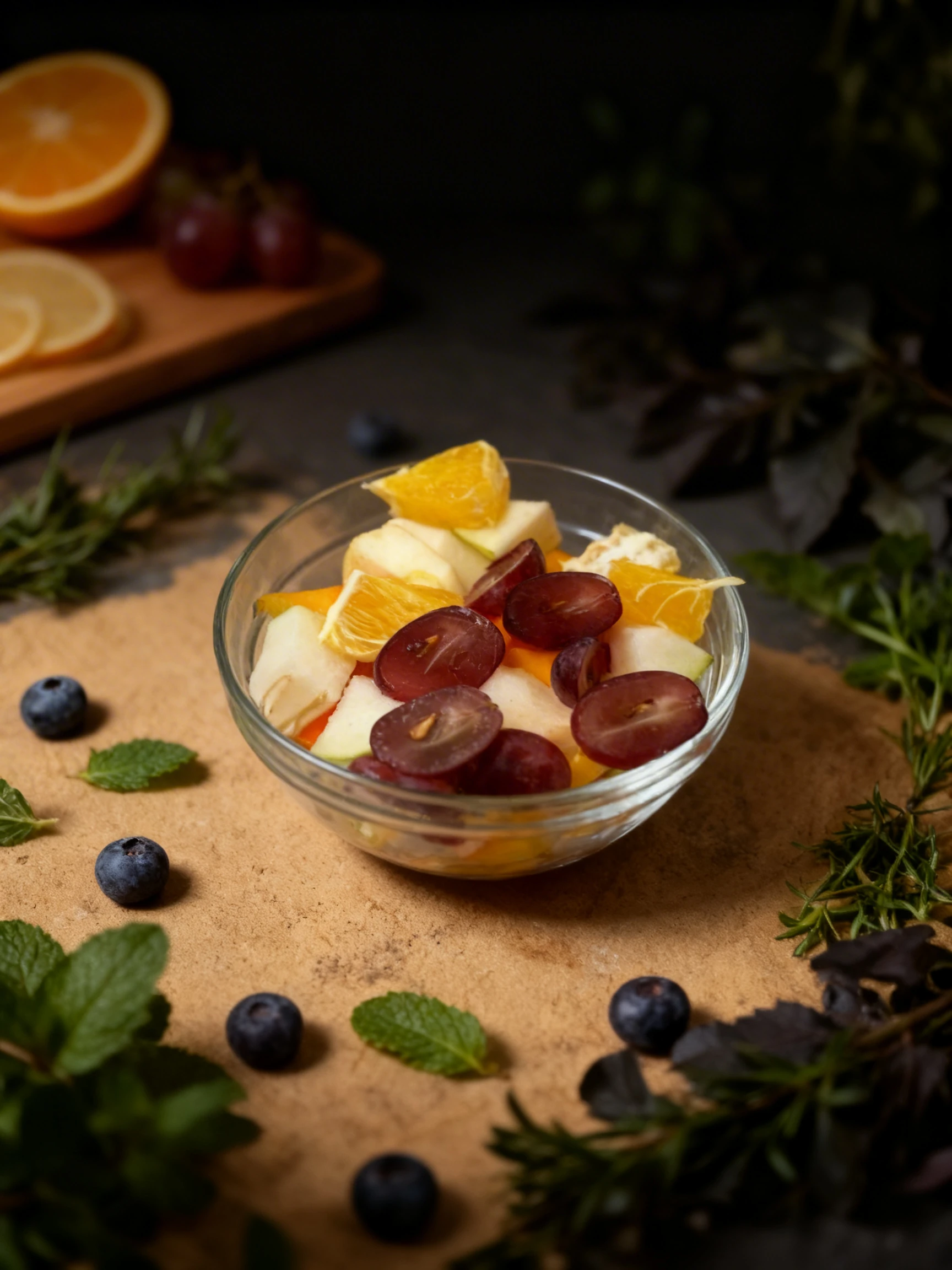
Fruit
20 examples
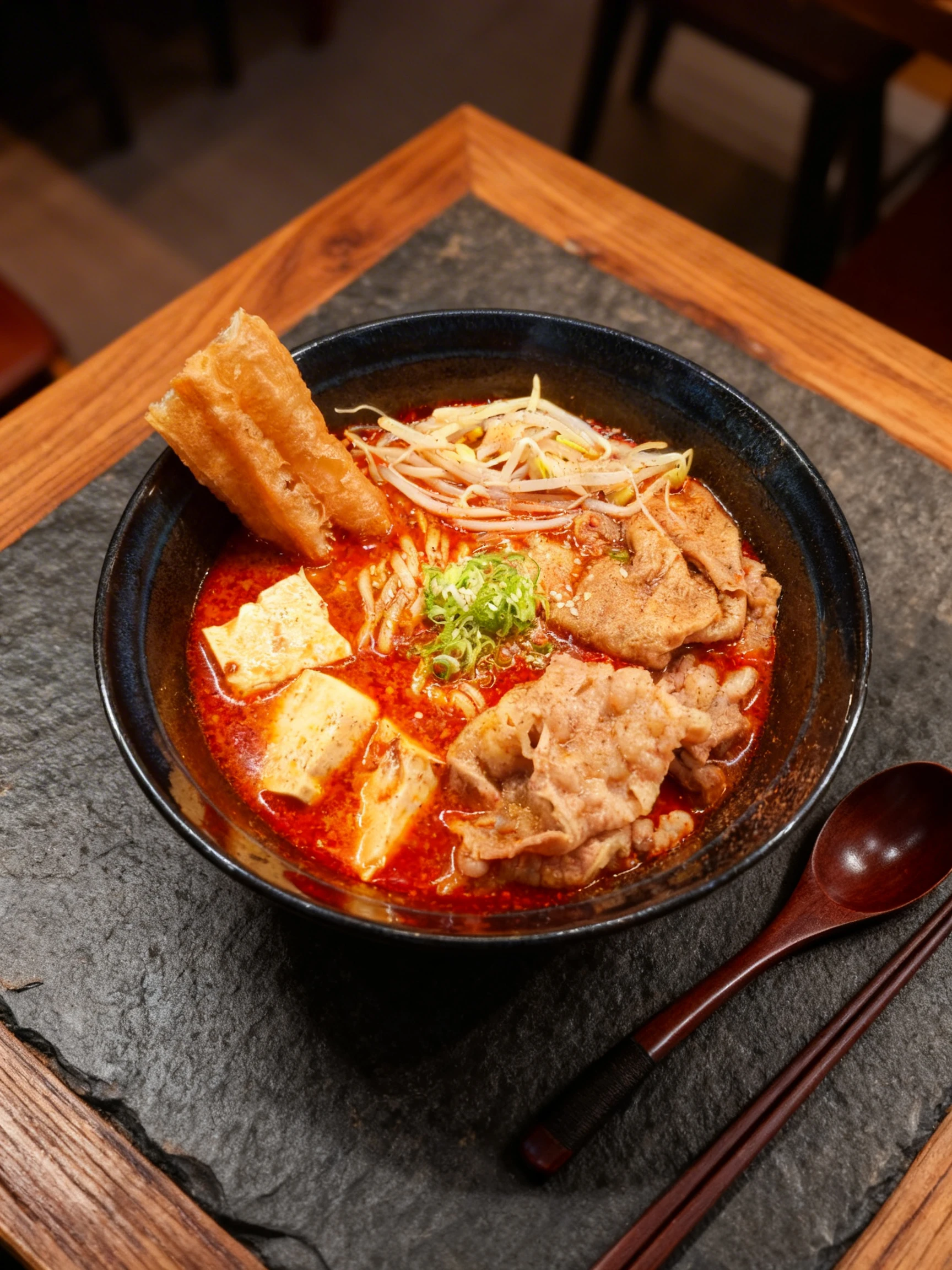
Tofu
15 examples
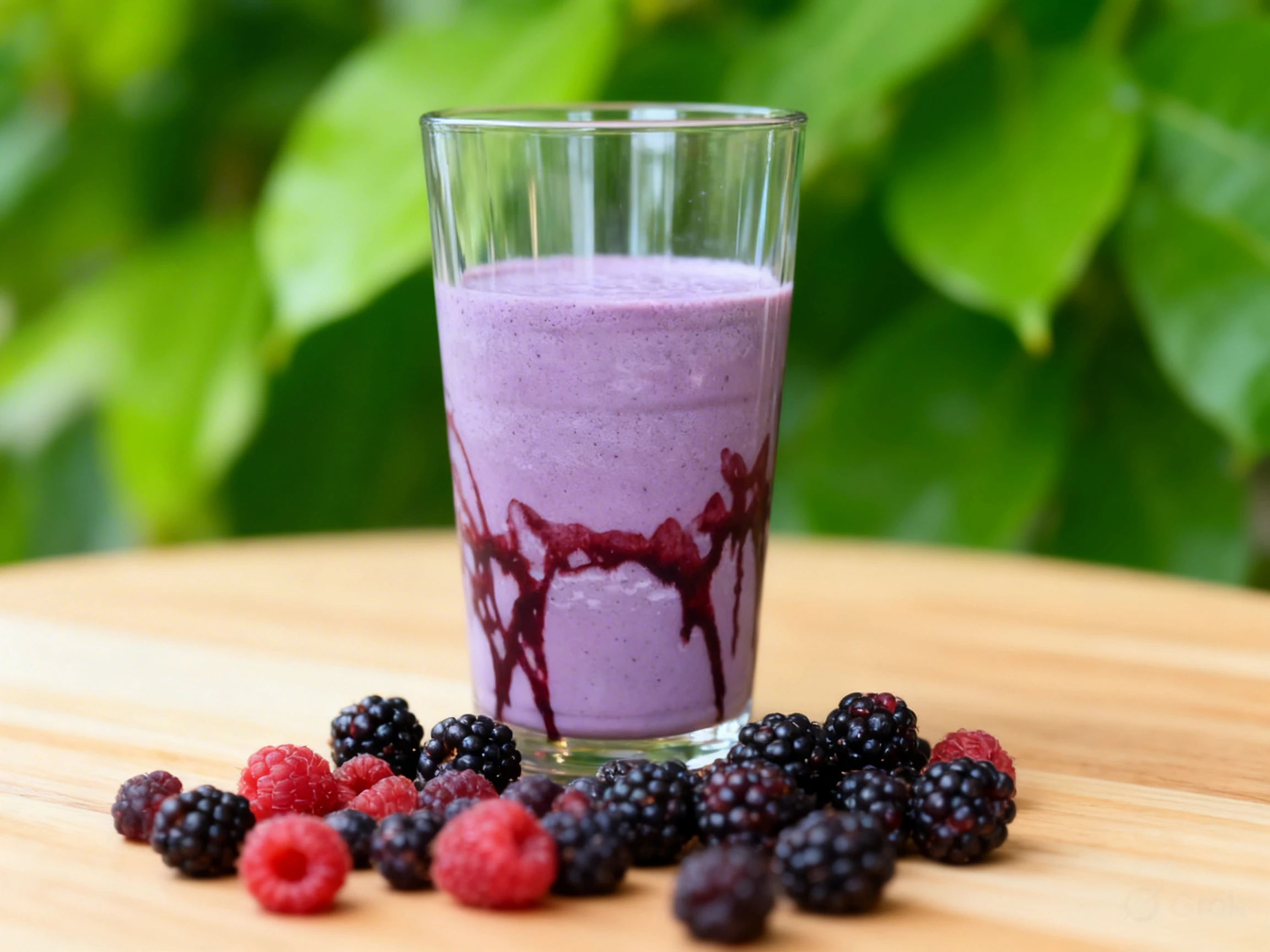
Acai Bowl
4 examples
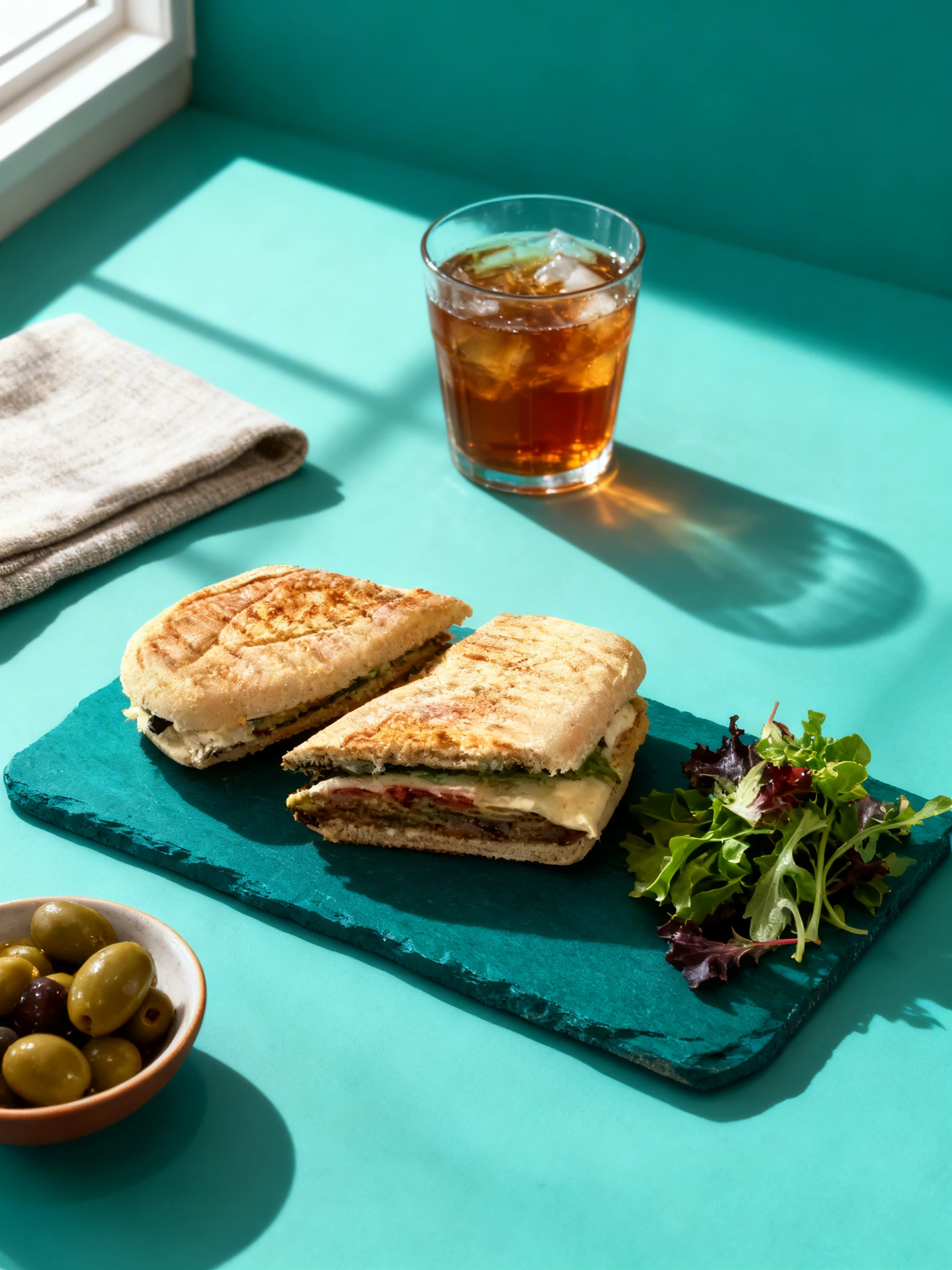
Healthy Food
20 examples
Vegetarian Food
20 examples
Take your Vegan photos further with AI
Once you have a solid shot using the techniques above, MenuPhotoAI can handle the finishing work. Our AI removes distracting backgrounds, corrects exposure and white balance, and applies cuisine-appropriate color grading — turning a good smartphone photo into something you'd be proud to put on your menu or delivery app listing. Start with 5 free photos, no credit card required.
Frequently Asked Questions
Skip the photoshoot — enhance the vegan photos you already have
The techniques on this page take time to master. MenuPhotoAI applies the same lighting, color, and texture corrections — automatically — to the smartphone photos you already shot. Studio-quality results in 30 seconds.
Try free — 5 credits, no cardMore Cuisine Photography Guides
This guide reflects best practices for Vegan food photography as of 2026. Techniques may vary based on specific dishes, equipment, and shooting conditions. MenuPhotoAI is an AI food photo enhancement platform.