
Photography Guide
Mediterranean Food Photography Guide
Arranging 6–10 mezze bowls to look abundant without resembling a cafeteria tray.
Primary Angle
Overhead
Lighting
Warm natural window light, morning or golden hour
Read time
~8 min
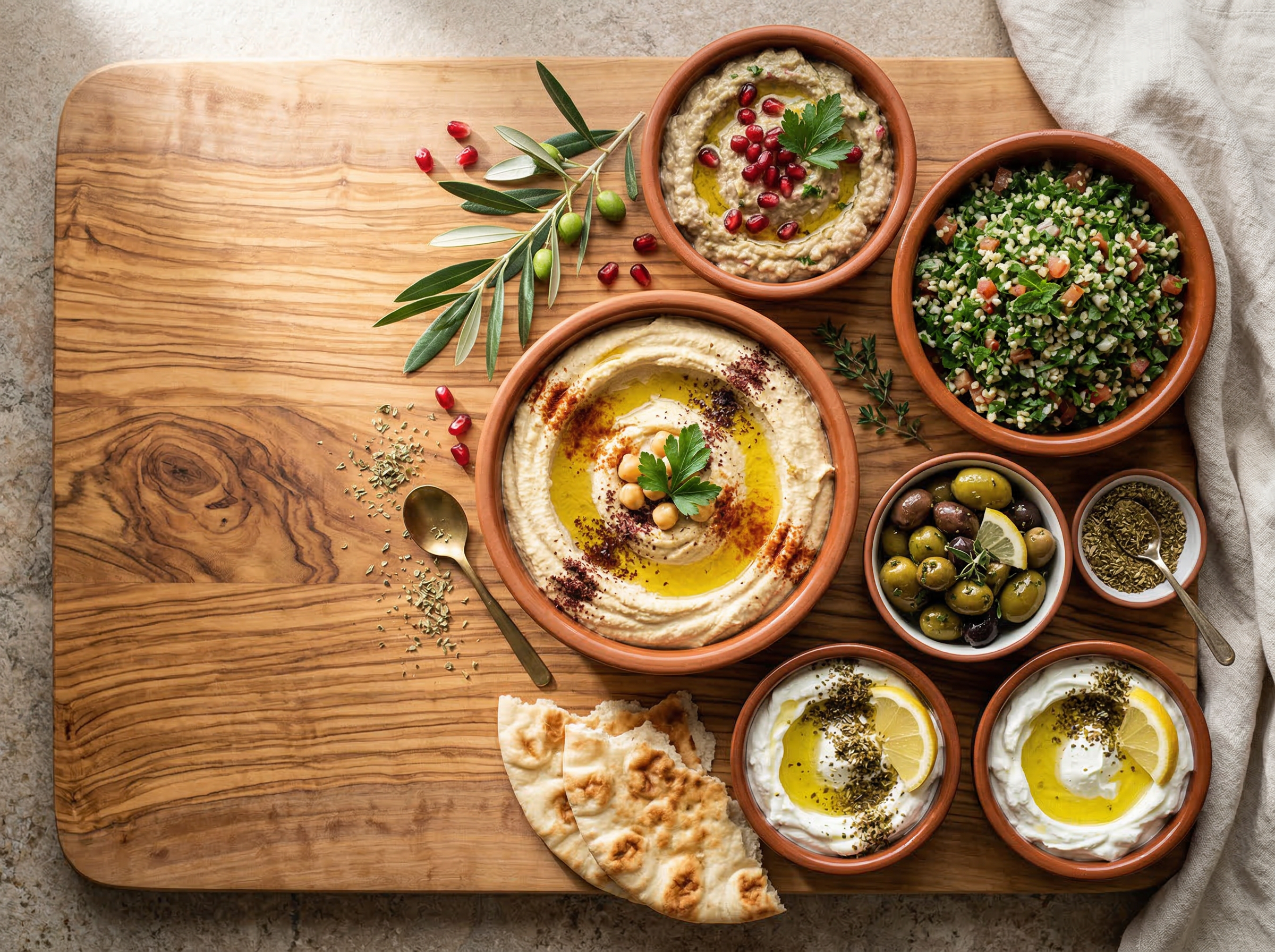
Mediterranean food photography is defined by abundance, color, and texture. A well-executed mezze spread - with its terracotta bowls of hummus, baba ganoush, tabbouleh, and fattoush arrayed across an olive wood board - is one of the most visually compelling subjects in food photography. The cuisine rewards overhead shooting because its dishes are built to be seen from above: dips with swirled olive oil pools, herb-studded salads, and garnish-topped platters. But Mediterranean shooting is not without its traps. Pita bread starts to crack and lose its pillowy surface within 20 minutes of baking. Shakshuka eggs overcook in the time it takes to adjust your camera settings. Grilled halloumi loses its golden char sheen as it cools. This guide walks through every major dish in the Mediterranean repertoire - from falafel cross-sections to baklava honey drizzle - with specific, actionable advice on lighting, angles, timing, and props that will help you capture food that looks as vibrant as it tastes.
What Makes Mediterranean Challenging to Photograph
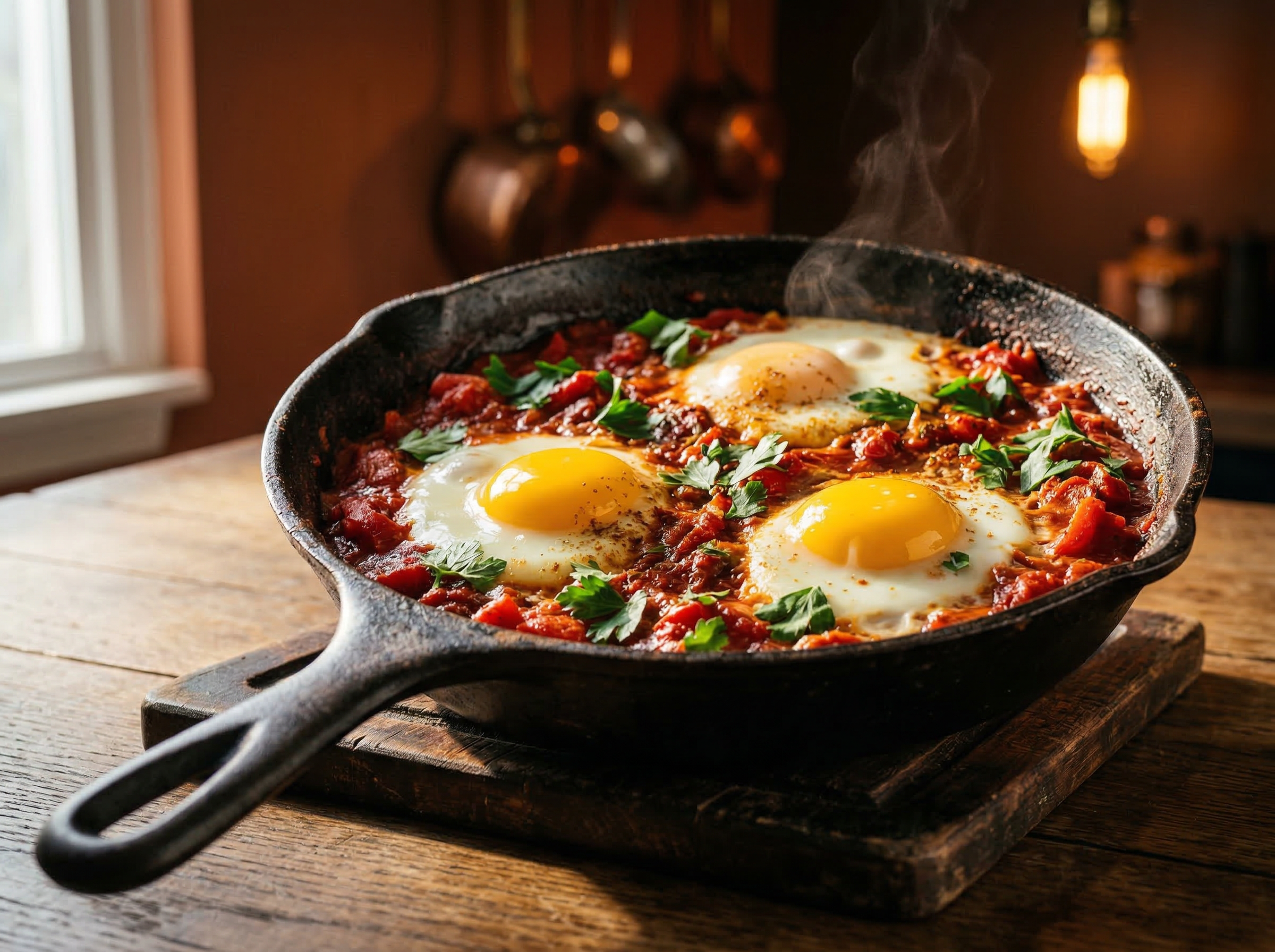
The defining challenge of Mediterranean food photography is the mezze spread composition. Assembling 6 to 10 individual bowls - hummus, baba ganoush, tabbouleh, fattoush, olives, pickled turnips, and more - into a single overhead shot that reads as abundant rather than chaotic requires deliberate planning. The "cafeteria tray" failure mode happens when all bowls are the same size, evenly spaced, and placed at equal distances. To counter this: use 2–3 bowl sizes (large for hummus, small for olives and seeds), vary the heights by propping smaller bowls on folded linen, and break symmetry by overlapping a pita flatbread edge over one bowl. Shakshuka presents a different timing problem - the egg whites must be fully set but the yolks must remain liquid and domed for photography, a window that lasts roughly 3–4 minutes once you pull the pan from heat. Baba ganoush, when served at room temperature, develops an appealing oily sheen on its surface but can look grey if the smoked eggplant skin has not been thoroughly removed during prep.
Best Lighting for Mediterranean Photography
Mediterranean food responds best to warm, bright natural light that mimics the sunlight of the region. Morning window light between 8 and 10 a.m. - or late afternoon golden hour - enriches the terracotta and amber tones of the bowls, deepens the green of za'atar and parsley, and brings out the gold in olive oil drizzles. Position your light source to one side at roughly a 45-degree angle relative to the mezze spread, allowing it to skim across the surface of hummus and baba ganoush to reveal their swirled texture. Avoid harsh midday direct light, which blows out the white of labneh and flattens the textural surface of hummus into a featureless disc. For shakshuka, side lighting at a lower angle from the pan rim emphasizes the crimson tomato sauce and creates a shadow rim that gives the dish depth. Grilled halloumi benefits from a slight backlight setup - place your light source opposite the camera to catch the golden char marks and make them glow. Use a white foam board as a reflector on the shadow side to open up dark areas without losing warmth.
Camera Angles for Mediterranean
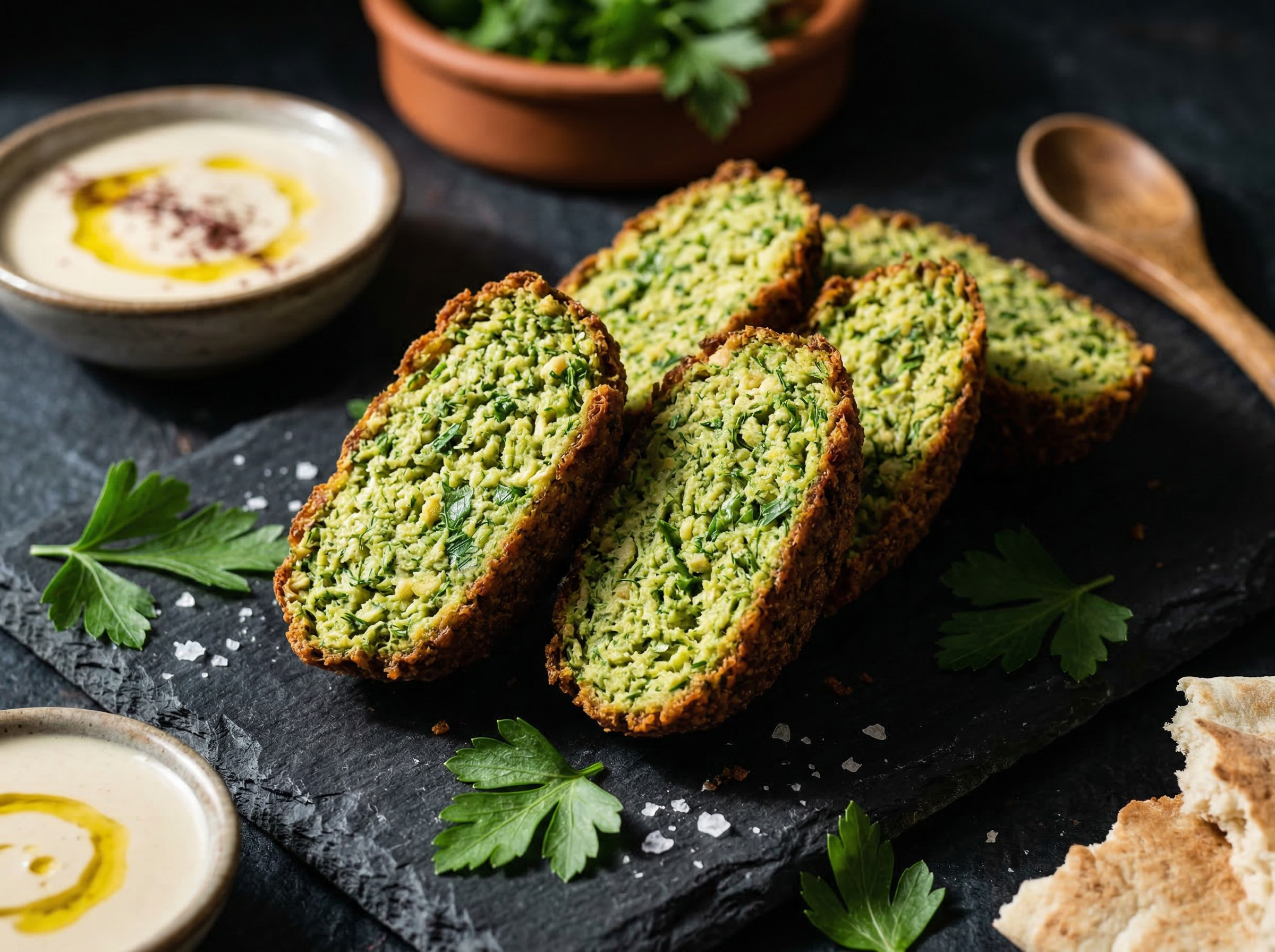
The overhead angle - shot directly from 90 degrees above - is the definitive perspective for a full mezze spread. It allows every bowl to be readable, every garnish to be visible, and the olive wood board or linen surface to frame the composition. For overhead mezze shots, place an anchoring element at the visual center (typically the largest hummus bowl with its olive oil pool) and build outward with progressively smaller vessels. For shakshuka, shift to a 45-degree angle: this reveals the tomato sauce depth in the pan, shows the egg yolk dome at its most appetizing, and allows the steam to be captured in the frame. Falafel benefits from a 35-degree angle where you can cut 2–3 pieces in half and angle them to expose the vivid green interior herb flecks - the detail that distinguishes authentic falafel from pale imitations. Grilled halloumi slices are best shot at 15 to 20 degrees from eye-level, lined up in an overlapping shingle to show the char marks on each slice. Baklava is strong from overhead (to show the walnut-filled layers) or at 45 degrees to reveal the honey-soaked phyllo stack height.
Food Styling and Props
Styling Mediterranean food starts with establishing a warm, earthy palette before any dish arrives on set. Lay an undyed linen cloth across an olive wood board - the wood grain and fabric texture create a foundation that feels rustic and authentic without requiring further explanation. For hummus, smooth the surface with the back of a spoon using a circular motion, then create a well in the center, drizzle with extra-virgin olive oil, and finish with a pinch of paprika, a scatter of whole chickpeas, and a torn flat-leaf parsley leaf. This "bowl with a well" technique is widely recognized as the canonical hummus presentation and reads instantly across every platform.
For tabbouleh, the key is lifting the salad gently with a fork before the shot to introduce airiness - a flat, compressed salad reads as heavy and unappetizing. Fattoush should have its pita chips added no more than 5 minutes before shooting, or they absorb moisture and lose their crunch (visually readable as opacity and curvature).
For baklava, brush a light coat of honey over the top layer immediately before shooting to restore the gloss that dulls within 10 minutes of plating. A scatter of pomegranate seeds adds a jewel-like contrast against the gold phyllo. For the moussaka, use a spatula to create a clean-edged portion cut, and garnish with fresh thyme to add a vertical element that breaks the flatness of the béchamel surface.
Recommended props
Equipment Guide
For Mediterranean food photography, a 50mm or 85mm prime lens is ideal for overhead mezze shots - the 50mm captures the full spread without distortion, while the 85mm lets you isolate individual bowls with shallow depth of field for hero shots of hummus or baba ganoush. A camera with articulating screen is invaluable for precise overhead composition without the need for a full overhead arm rig, though a lightweight overhead bracket clamped to a table edge works well for consistent mezze spreads.
A medium-sized C-stand or reflector arm positioned to camera-left holds a 5-in-1 reflector that bounces window light into shadow areas. For shakshuka, which must be shot in the pan, use a heat-resistant glove to reposition the cast iron skillet quickly between adjustments. A small spray bottle filled with water is essential for refreshing greens in tabbouleh and fattoush between frames. A squeeze bottle with olive oil lets you re-dress hummus wells between takes without displacing the garnish.
Skip the photoshoot — enhance the mediterranean photos you already have
The techniques on this page take time to master. MenuPhotoAI applies the same lighting, color, and texture corrections — automatically — to the smartphone photos you already shot. Studio-quality results in 30 seconds.
Try free — 5 credits, no cardCommon Mediterranean Photography Mistakes
Even bowl spacing turns a mezze spread into a cafeteria tray
Placing all mezze bowls at perfectly equal intervals and using identical-sized vessels creates a rigid, institutional look. Break up the grid by mixing bowl sizes, overlapping flatbread edges over one or two bowls, and allowing negative space on one side of the board while clustering dishes more tightly on the other. Organic groupings always outperform symmetrical grids in Mediterranean spreads.
Shooting shakshuka after the egg yolk has set
Shakshuka must be photographed within 3–4 minutes of leaving the heat while the egg whites are just set and the yolks are still liquid and domed. A fully cooked yolk goes flat and pale, losing the glistening dome that makes the dish visually compelling. Have your camera settings dialed in before the pan comes off the stove, and use a heat-resistant glove to reposition quickly.
Adding pita chips to fattoush too early
Pita chips placed in fattoush more than 5 minutes before shooting absorb the salad dressing and go limp. Limp chips read visually as soggy and unappetizing. Keep chips separate on a side plate and add them directly to the hero bowl 2–3 minutes before the shot, pressing them upright into the salad slightly so they stand at an angle.
Using cool-toned light that drains warmth from hummus and terracotta
Mediterranean food is built on warm amber, terracotta, and olive tones. Cool-toned light - overcast midday north-facing windows, or flash without a warming gel - makes hummus look grey and drains the vibrancy from paprika garnishes. Always warm your light source with a CTO gel or shoot during golden hour window light. A warm preset in post is a fallback, not a substitute for correct lighting at capture.
Neglecting the olive oil drizzle on baba ganoush
Baba ganoush is visually dominated by its grey-brown smoked eggplant base, which is not inherently photogenic. The olive oil drizzle, pomegranate seeds, and fresh parsley garnish are not optional - they are structurally necessary to make the dish readable as appetizing food. Add garnish immediately before shooting and re-dress between takes as the oil absorbs into the dip surface within minutes.
Editing Tips
Mediterranean food editing should emphasize warm amber and olive tones without going orange. In Lightroom, pull the white balance toward the warm side (add 200–400K), then use the HSL panel to boost yellow saturation by +15 to +20 (enriches olive oil and pita) and green saturation by +10 (parsley and herbs). Reduce blue saturation slightly to keep the image from feeling cold. For hummus close-ups, add a small Radial Filter around the olive oil well to boost exposure by +0.3 and increase texture slightly - this draws the eye to the garnish center. Avoid over-sharpening tabbouleh, as it exaggerates the grain of the bulgur wheat unnaturally.
Platform-Specific Tips
On Instagram, the overhead mezze spread shot is a proven performer - the symmetry and color variety drive saves and profile visits. Post mezze spreads in square crop (1:1) with a warm preset, and use Stories to show the individual dish details that do not fit a single feed image. For Uber Eats and DoorDash, lead with the individual dish hero rather than the spread: a single bowl of hummus with olive oil drizzle converts better as a menu thumbnail than a wide spread where each dish is too small to read on a 3-inch phone screen. The shakshuka pan shot works well for delivery platforms because the single-item clarity meets their thumbnail requirements. For print menus, use the overhead mezze spread at full bleed as a section opener - it communicates the cuisine at a glance and photographs well in CMYK printing due to its warm, earthy tones. Avoid using the baba ganoush close-up in print, as the grey-brown tones of smoked eggplant can appear muddy in offset printing without careful color correction.
Mediterranean Photo Examples
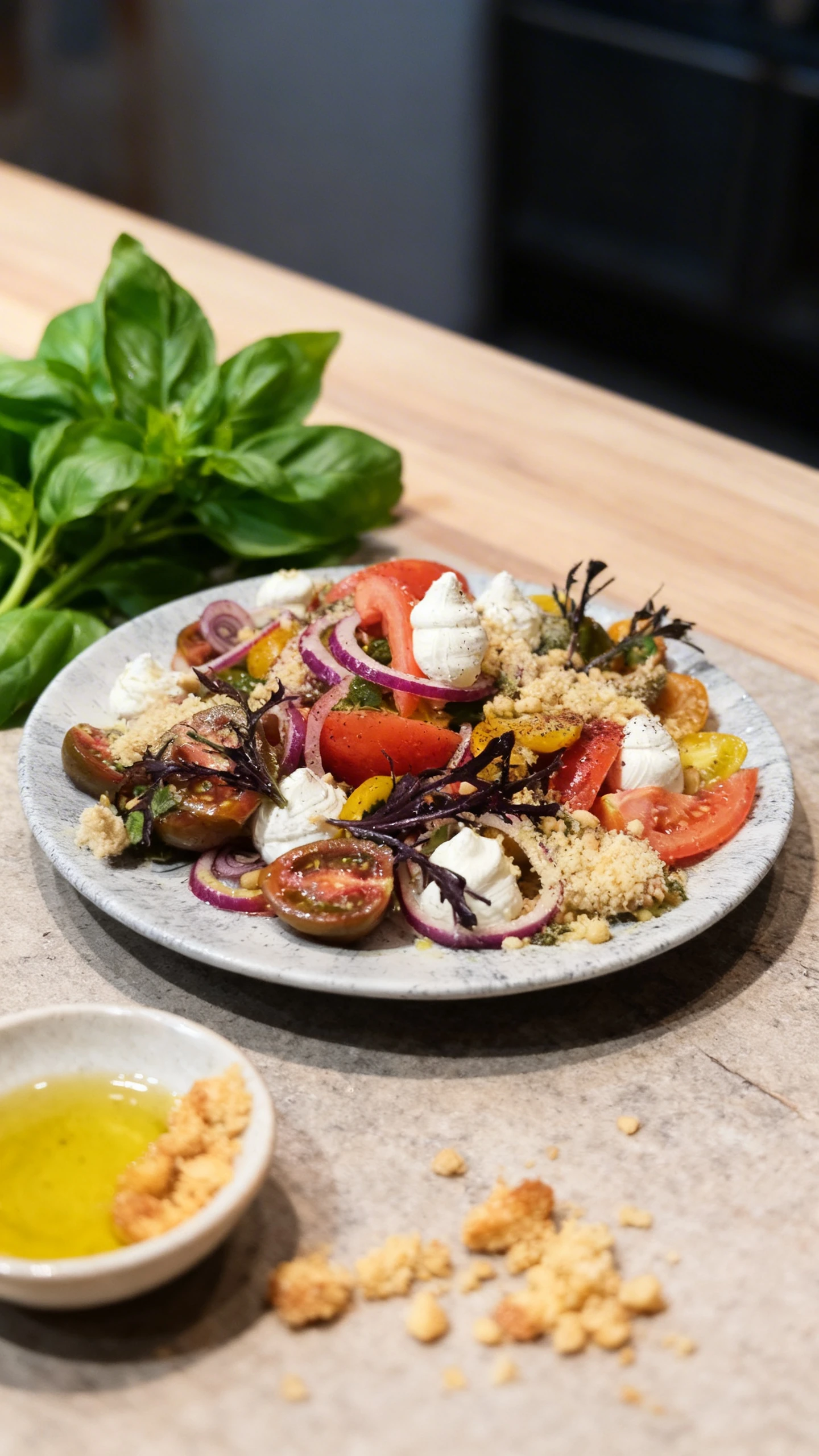
Real mediterranean photos from restaurants using MenuPhotoAI, enhanced by AI in under 30 seconds.
Salad
20 examples
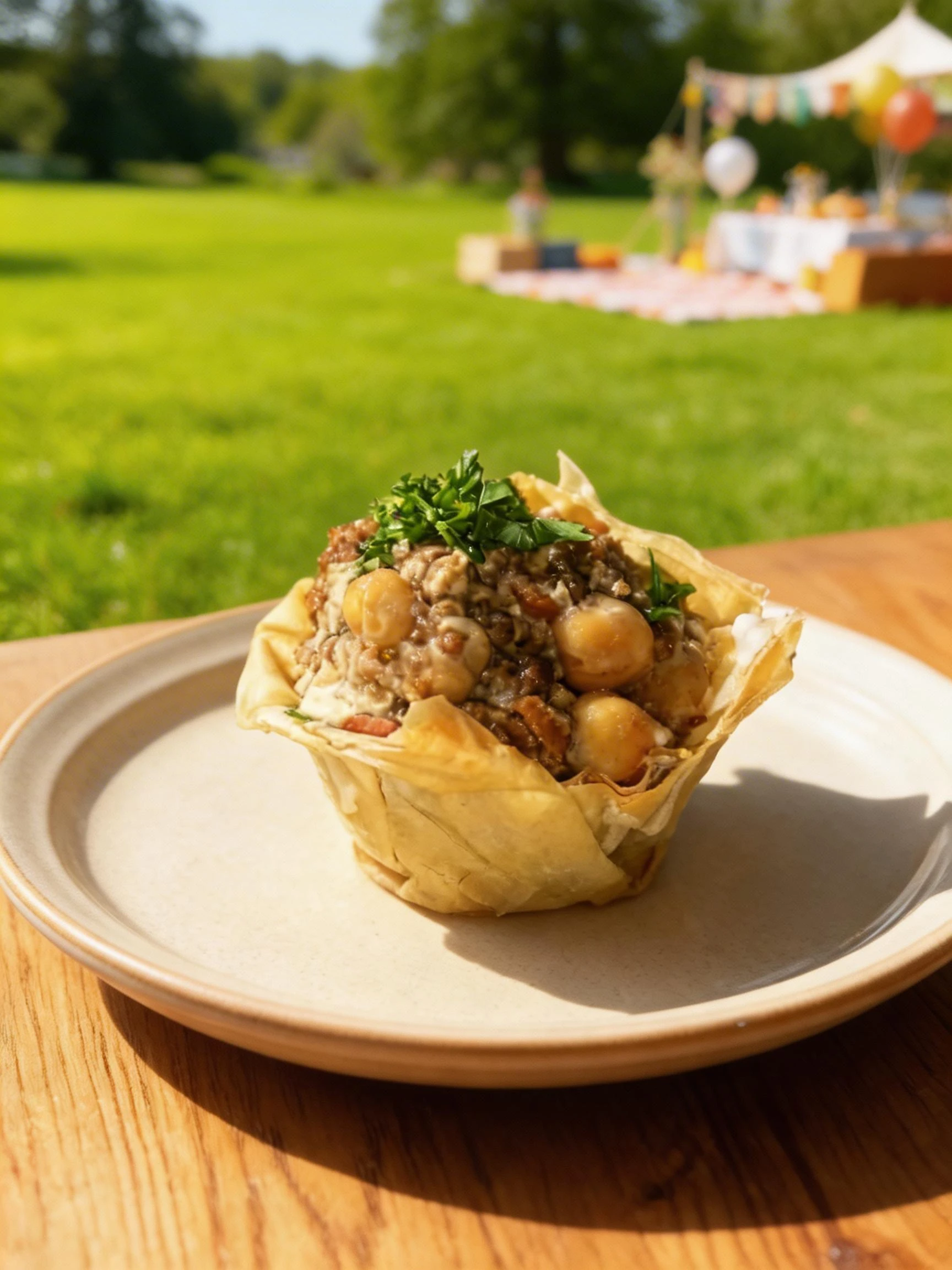
Hummus
15 examples
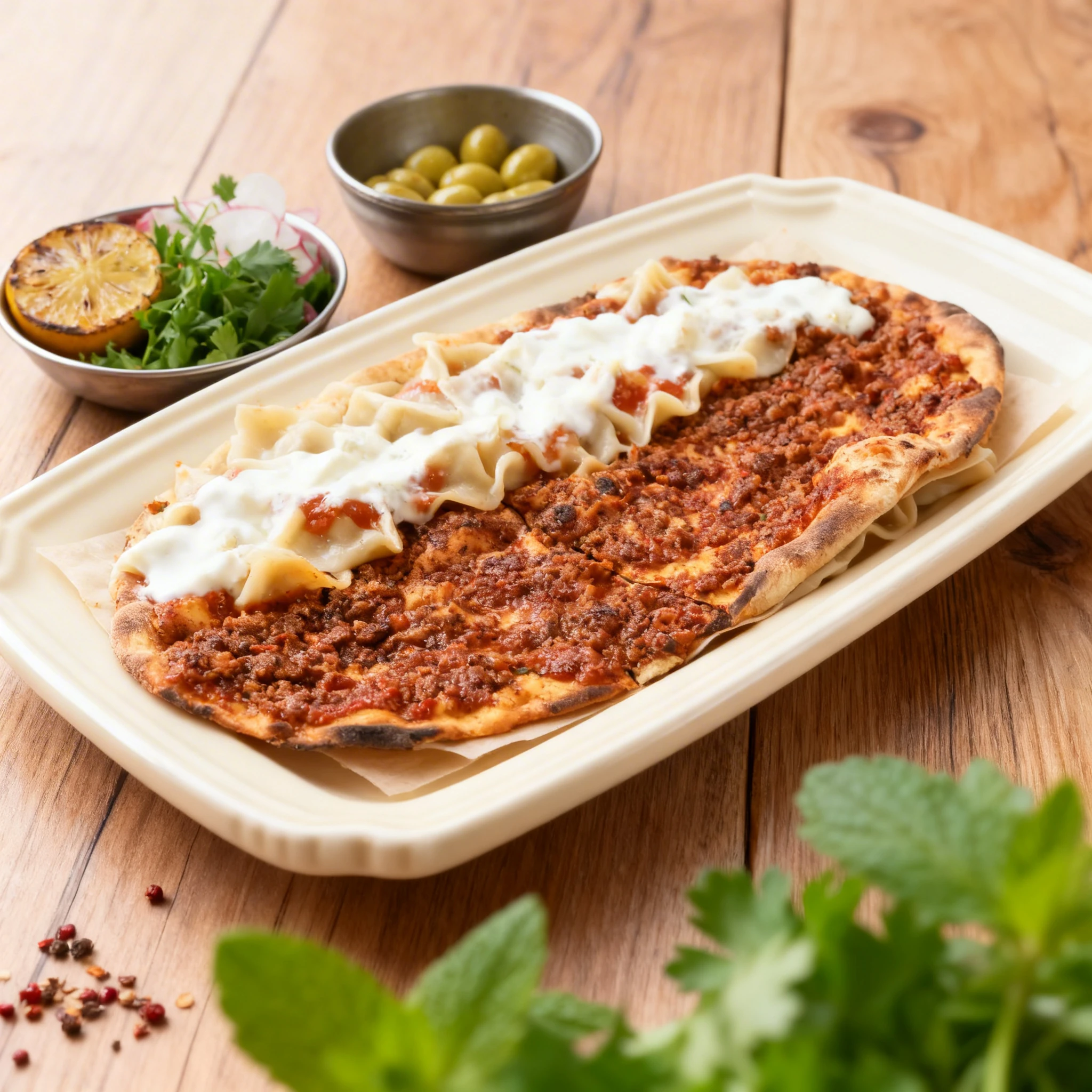
Flatbread
20 examples
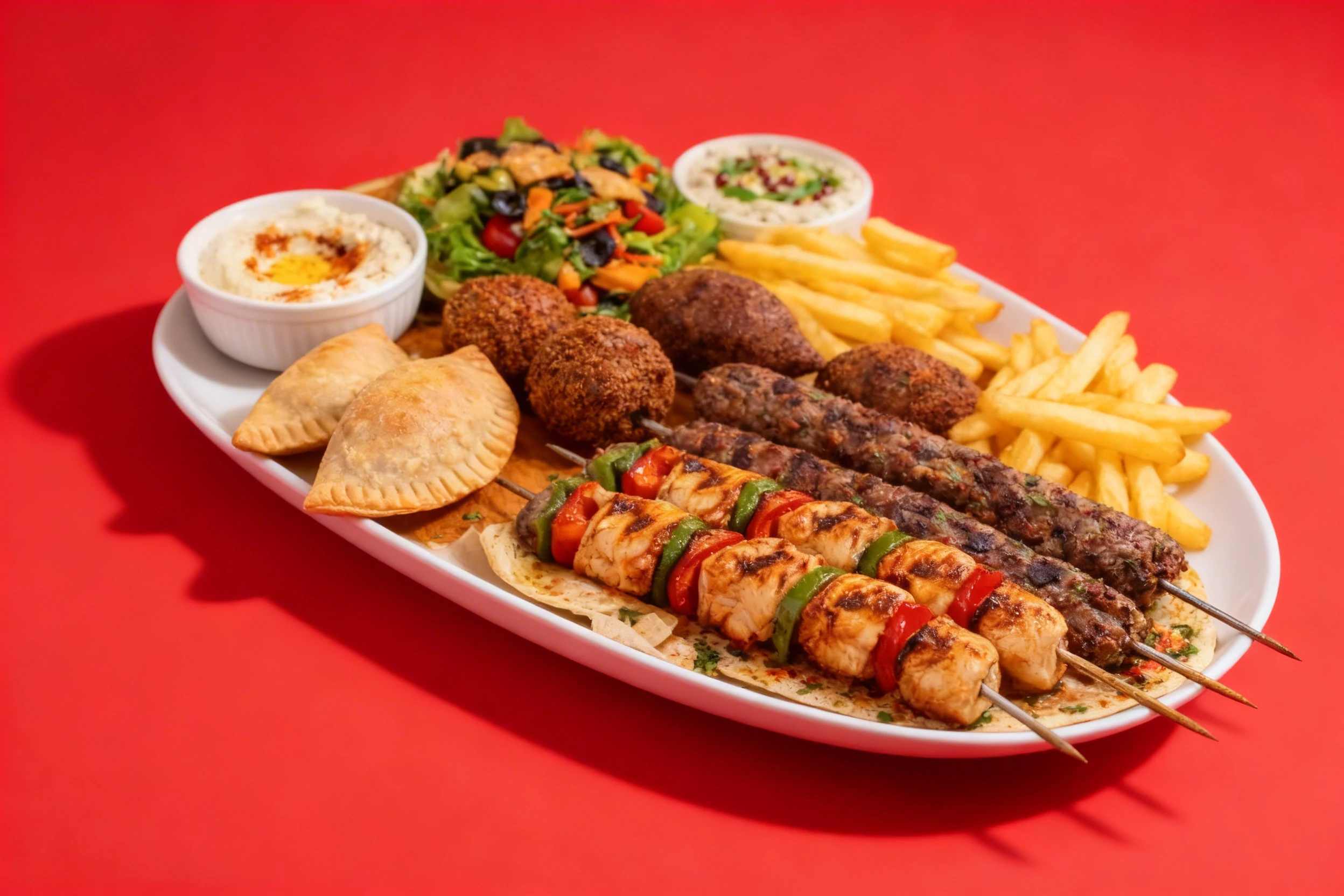
Falafel
3 examples
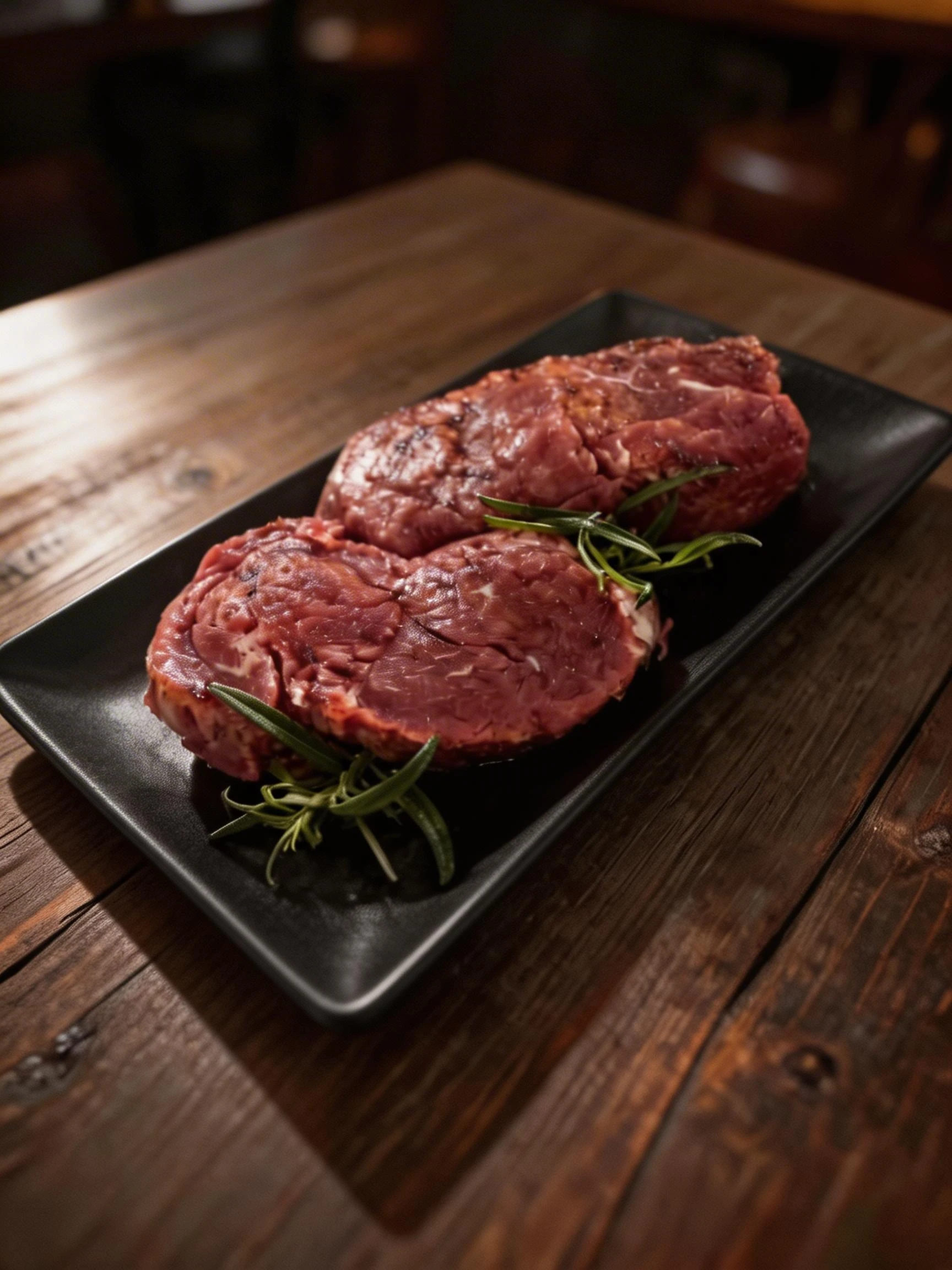
Lamb Chops
20 examples
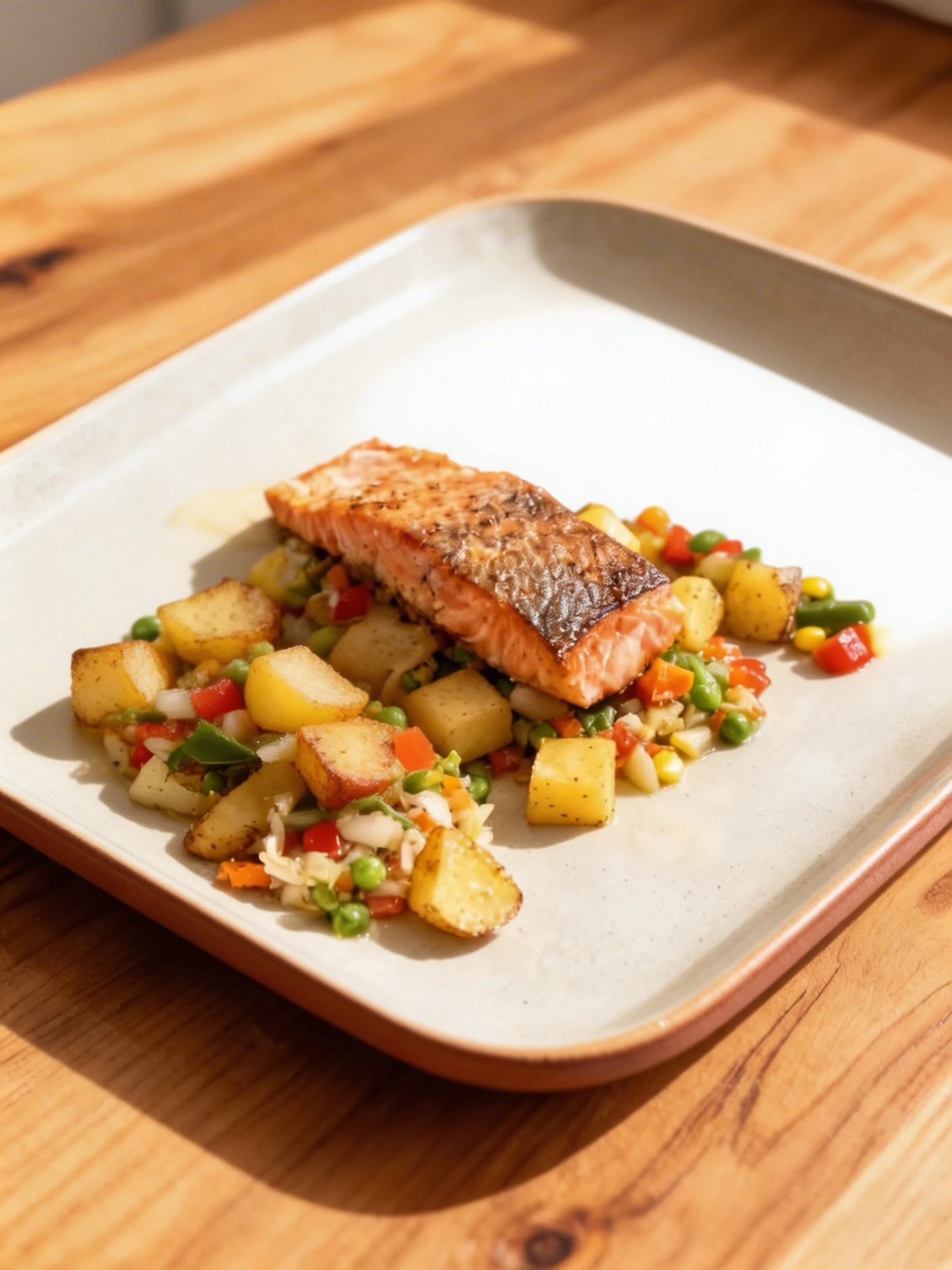
Grilled Vegetables
8 examples
Take your Mediterranean photos further with AI
Once you have a solid shot using the techniques above, MenuPhotoAI can handle the finishing work. Our AI removes distracting backgrounds, corrects exposure and white balance, and applies cuisine-appropriate color grading — turning a good smartphone photo into something you'd be proud to put on your menu or delivery app listing. Start with 5 free photos, no credit card required.
Frequently Asked Questions
Skip the photoshoot — enhance the mediterranean photos you already have
The techniques on this page take time to master. MenuPhotoAI applies the same lighting, color, and texture corrections — automatically — to the smartphone photos you already shot. Studio-quality results in 30 seconds.
Try free — 5 credits, no cardMore Cuisine Photography Guides
This guide reflects best practices for Mediterranean food photography as of 2026. Techniques may vary based on specific dishes, equipment, and shooting conditions. MenuPhotoAI is an AI food photo enhancement platform.