
Photography Guide
Chinese Food Photography Guide
Managing condensation on bamboo steamer lids, capturing xiaolongbao soup in motion, and rendering the lacquer sheen on Peking duck without blowing highlights.
Primary Angle
45-degree
Lighting
Warm side light for lacquered surfaces; cooler diffused light for dim sum whites and dumpling translucency
Read time
~8 min
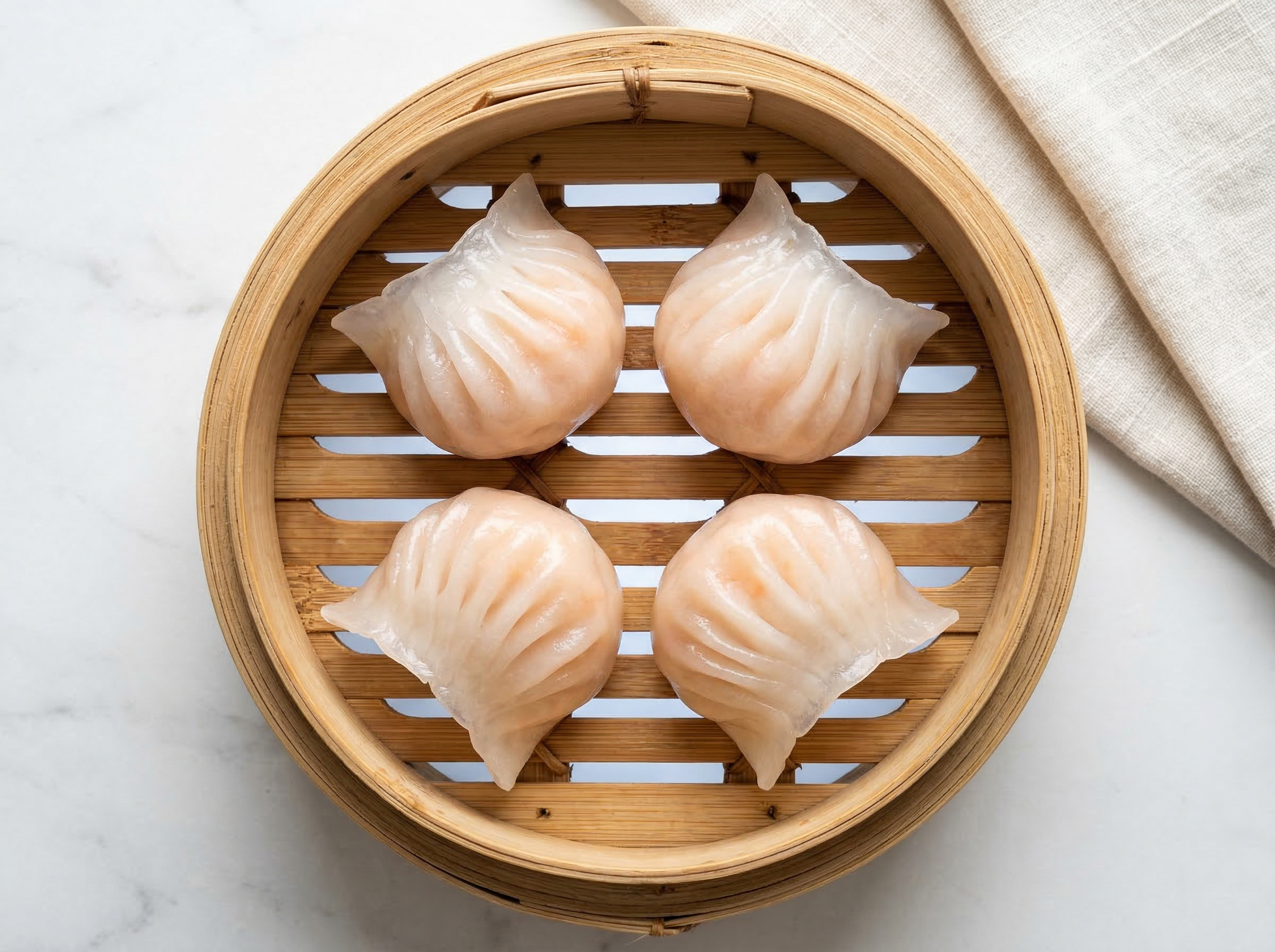
Chinese cuisine is one of the broadest food categories to photograph - spanning the delicate translucency of har gow wrappers and the lacquered mahogany surface of Peking duck, the silky red oil of mapo tofu and the architectural pleats of a xiaolongbao. Dim sum photography alone is a sub-specialty: bamboo steamers stacked on a table, each basket holding a different dumpling or bun type, require overhead composition that balances the geometry of the baskets with the individual dish appeal inside each one. Peking duck presents the opposite challenge - a single dramatic subject with a complex reflective surface that demands precise lighting to show the skin lacquer without blowing out the highlights. This guide covers the lighting, angles, props, and timing decisions for the full range of Chinese restaurant photography, from a single plate of fried rice to a full dim sum service spread.
What Makes Chinese Challenging to Photograph
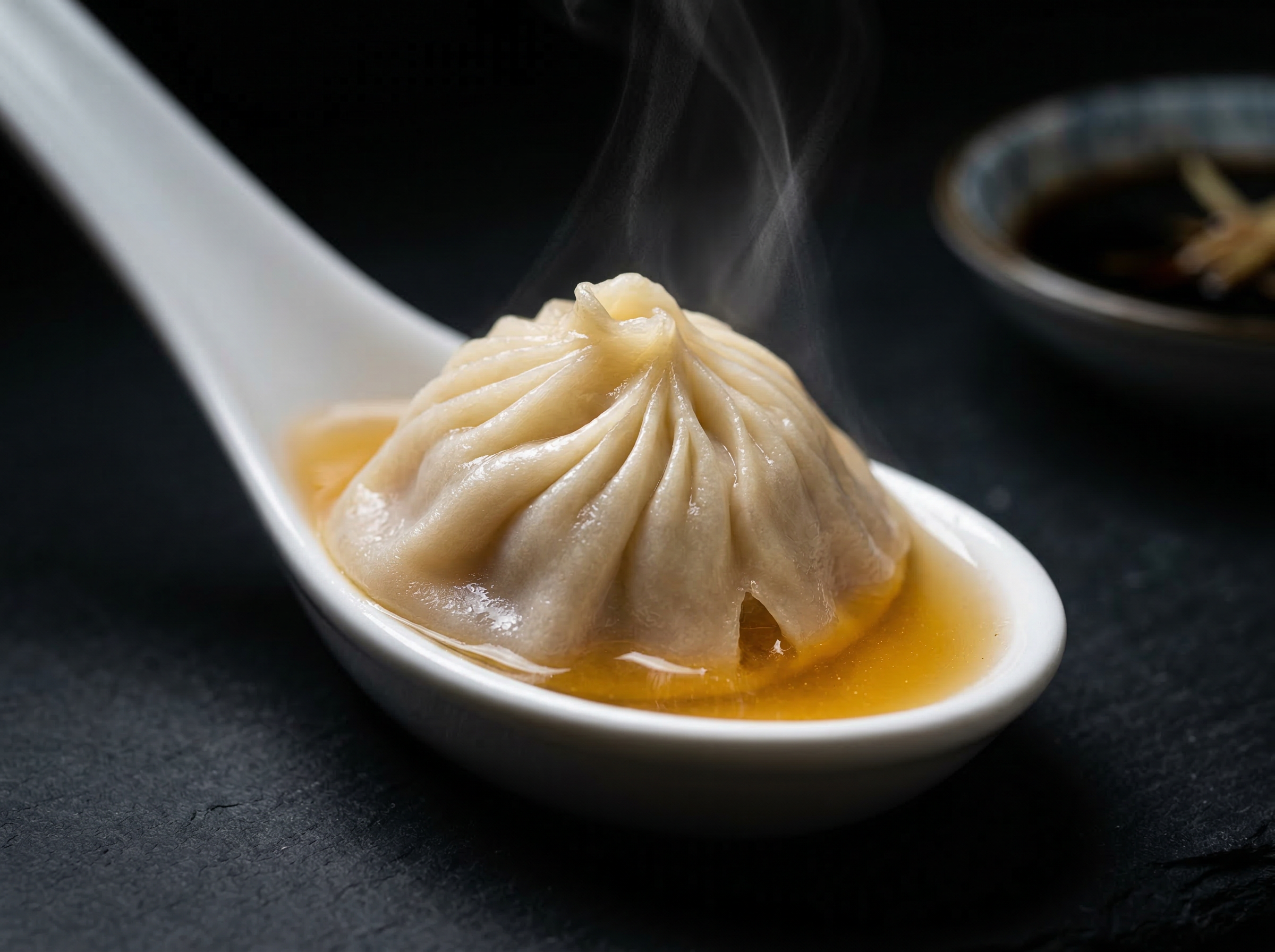
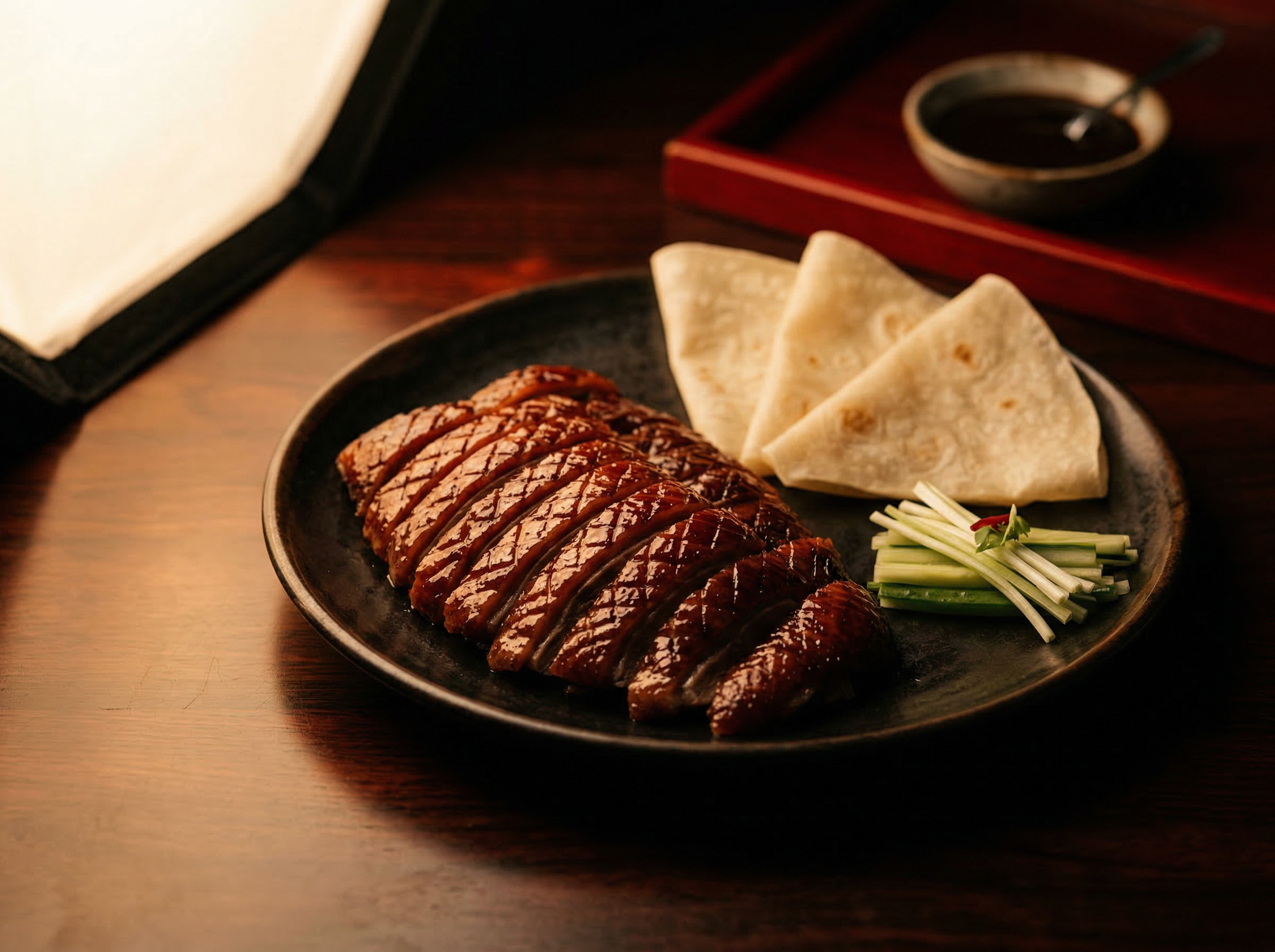
Dim sum steamer photography requires solving three simultaneous problems: condensation on the basket lid, steam control, and xiaolongbao soup capture. Bamboo steamer lids accumulate condensation within sixty seconds of being placed over hot dumplings, and water droplets running down the inside of the lid can drip onto the dumplings - wetting the wrappers and destroying the texture photograph. The solution is to lift the lid, wipe the inside with a clean kitchen towel, and replace it just before shooting. Steam is the second variable: enough steam to show that the dumplings are freshly cooked is desirable, but thick steam that obscures the entire basket content is not. Shoot within the first fifteen to twenty seconds after removing the lid to catch the light steam wisps before they dissipate. For xiaolongbao, the internal soup capture is a specialized technique: pierce the bottom of the dumpling with a thin straw, let a small amount of soup pool on the ceramic spoon, and photograph the spoon with the dumpling resting in the liquid. For Peking duck, the lacquered skin has a specular reflectance that creates bright hotspots under direct light - the warm side lighting setup diffused through a softbox controls this while still showing the mahogany depth of the skin.
Best Lighting for Chinese Photography
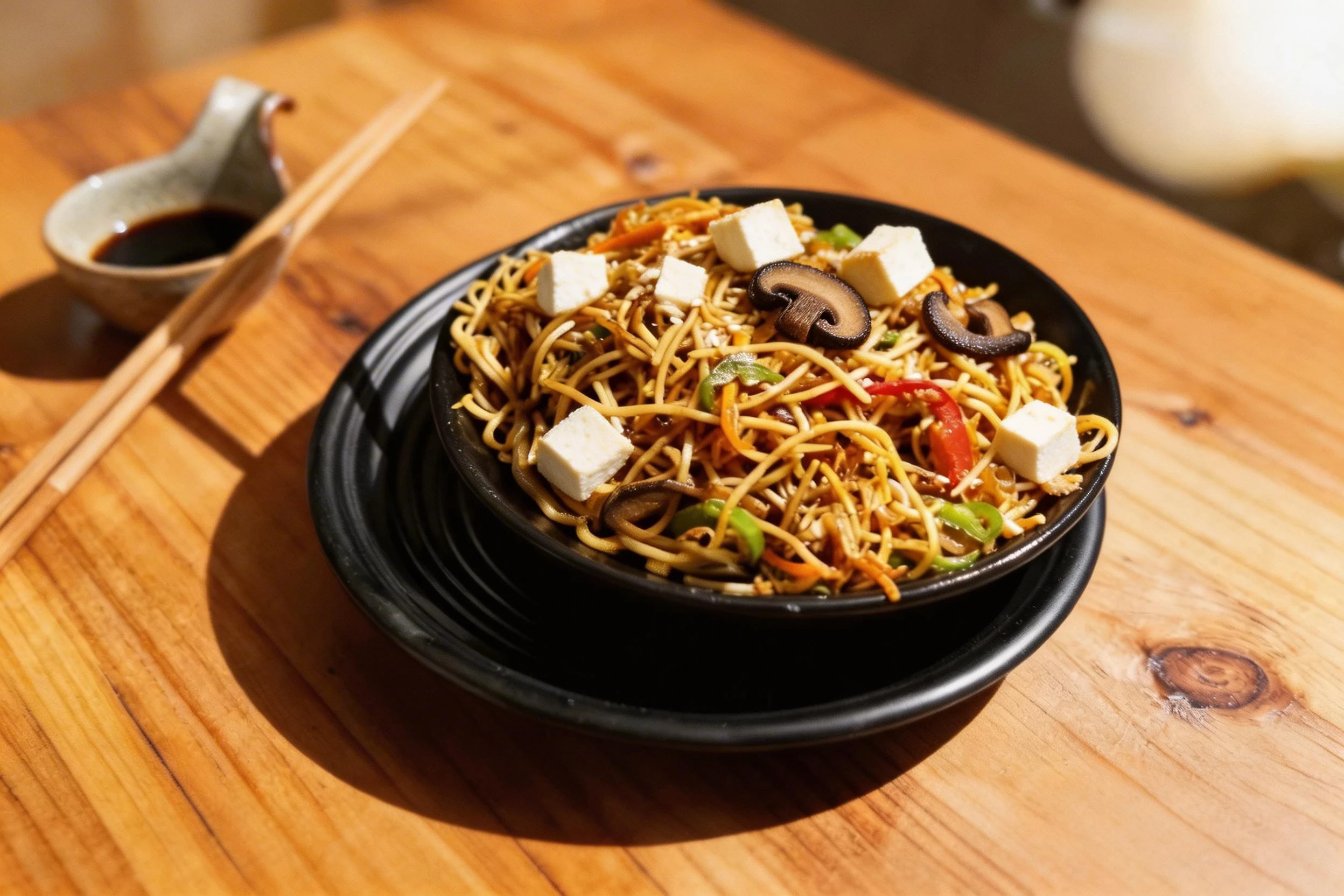
Lighting Chinese food requires separating dishes into two groups by surface type. Lacquered and glossy surfaces - Peking duck skin, red-braised pork belly, char siu - benefit from warm side light at a 45-degree angle, diffused through a large softbox or shoot-through umbrella. The warm tone complements the red and brown Maillard colors of the dishes, while the side angle creates a highlight that travels across the surface without creating a single blown-out hotspot. Dim sum and dumpling dishes - har gow, siu mai, xiaolongbao - have translucent or white wrapper surfaces that are better served by a cooler, more neutral light. Warm light on har gow wrappers yellows the translucent skin and makes it look old rather than fresh. For mapo tofu, the challenge is the deep red chili oil that floats on the surface - a soft side light at 30 degrees creates a gentle highlight across the oil surface that shows its depth and richness without creating specular glare. For a fried rice dish, overhead lighting is the most practical choice because the dish is essentially flat and you want even illumination across all grain and ingredient surfaces.
Camera Angles for Chinese
The 45-degree angle is the default for Chinese food because most dishes have important visual information both on the surface and in the depth of the bowl or plate. Dim sum spreads are photographed at 30 degrees - low enough to see the individual dumpling shapes sitting in the steamer baskets, but elevated enough to show the stacked basket geometry and the table arrangement. Xiaolongbao photographed at 45 degrees shows the pleated top of the dumpling, the translucent skin, and - when placed on a spoon with a soup pool - the liquid beneath. Overhead works for bamboo steamer basket contents shot individually, where you want to show the circular arrangement of har gow or char siu bao inside the basket without the basket rim blocking the angle. Peking duck is photographed at 30 to 45 degrees, positioned so the scored skin surface faces the camera lens - the camera angle should be set to show the cross-hatch score pattern and the gloss of the lacquer simultaneously. Fried rice is best overhead or at a slight 15-degree tilt so individual grains and wok char are visible across the full plate.
Food Styling and Props
Bamboo steamer baskets are both the serving vessel and the primary prop for dim sum photography. They are already the correct prop - the goal is to style what surrounds them, not to replace them. Stack two or three baskets with the top basket lid slightly ajar to create a sense of reveal and suggest the steaming process. A red lacquer tray under the stacked steamers grounds the arrangement and echoes the warm tones of the dishes inside. Chinese ceramic spoons - the flat-bottomed white porcelain type - are essential for xiaolongbao presentation, both functionally as the dipping vehicle and visually as a prop that communicates the soup-eating ritual. Chopsticks laid diagonally across a plate or resting on a porcelain chopstick stand add a strong horizontal graphic element that balances a tall steamer stack. A lotus leaf under a sticky rice dumpling adds an authentic botanical element that communicates traditional preparation. Small dipping bowls with a dark soy sauce or black vinegar pool add depth as foreground elements. For Peking duck, the thin pancake, scallion strips, and cucumber batons arranged around the carved duck communicate the full dining experience in a single frame.
Recommended props
Equipment Guide
An 85mm prime lens is the top choice for Chinese food photography because dim sum dumplings and xiaolongbao require close-range detail work - pleat counts, wrapper translucency, soup liquid - that benefits from telephoto compression and a shallow depth of field at f/2.8. For full dim sum table spreads, a 35mm wide-angle prime captures the full arrangement without requiring the camera to be so high above the table that the dish contents disappear behind basket rims. A macro lens in the 90mm to 100mm range is worth having for the xiaolongbao pleat detail shot and for the lattice pattern on a char siu bao top. Use a polarizing filter for Peking duck skin: it reduces the specular glare from the lacquered surface without reducing the warm color depth, allowing you to show the skin sheen without blown highlights. Remote shutter release for all steamer shots - you need your hands free to manage the lid and the steam timing.
Skip the photoshoot — enhance the chinese photos you already have
The techniques on this page take time to master. MenuPhotoAI applies the same lighting, color, and texture corrections — automatically — to the smartphone photos you already shot. Studio-quality results in 30 seconds.
Try free — 5 credits, no cardCommon Chinese Photography Mistakes
Photographing through steamer condensation
Condensation on the inside of a bamboo lid drips onto dumplings within sixty seconds, wetting the wrappers and creating an unappetizing wet look that editing cannot fix. Always wipe the lid interior with a clean kitchen towel immediately before placing it for the shot. Shoot within fifteen seconds of lid placement to catch steam wisps before they dissipate and before new condensation forms.
Blowing out Peking duck highlights
Peking duck skin has a high specular reflectance - a lacquered surface in warm brown tones with bright highlight spots. Harsh direct flash or bare LED panels blow out the skin highlights to white, destroying the visual information that communicates the lacquer quality. Always diffuse the key light through a large softbox and use a polarizing filter to control glare without losing the surface depth.
Cooling xiaolongbao before photographing the soup
Xiaolongbao soup is only mobile and photographable when the dumplings are hot. Within four to five minutes of leaving the steamer, the gelatin-based soup re-solidifies inside the dumpling. The spoon-with-soup technique must be executed within the first two minutes. Have the ceramic spoon positioned and the camera angle pre-set before the xiaolongbao arrives, so the only action required is the piercing and draining.
Using cool blue light on Peking duck or char siu
Cold-toned light on roasted Chinese dishes strips the warm caramelized color from the surface, making mahogany duck skin read as grey-brown and char siu look pallid. These dishes were designed visually around warm red-brown Maillard colors. A warm side light at 3200K to 4000K is the correct choice, matched to the natural warmth of the lacquering and roasting process.
Shooting mapo tofu from overhead and losing depth
Mapo tofu photographed from directly above shows only the surface pool of chili oil with a flat grid of tofu cubes - the dish's defining textural quality, which is the silky soft tofu beneath a rich oily sauce, is completely invisible from overhead. A 30 to 45-degree angle shows both the surface oil depth and the tofu cubes partially submerged within it, communicating the dish's dual character.
Editing Tips
Chinese food editing centers on two distinct color tasks: enriching the reds and browns of roasted and lacquered dishes while preserving the delicate whites and translucency of dumpling wrappers. For Peking duck and char siu, increase red saturation moderately and lift shadow detail to show skin texture in dark areas. For dim sum wrappers, reduce yellow slightly in the HSL panel if warm light has yellowed the translucent skin, and add clarity selectively to show the pleat texture. For mapo tofu, push red luminance up slightly so the chili oil reads as translucent red rather than opaque dark red. Avoid global vibrance adjustments on Chinese food images - the contrast between delicate dumpling whites and rich lacquer reds means global adjustments damage one while helping the other.
Platform-Specific Tips
For DoorDash and Uber Eats, the highest-performing Chinese food thumbnail is a single prominent dish rather than a dim sum spread. A single steamer basket with two har gow clearly visible inside, shot at 30 degrees, reads faster at thumbnail size than a full table layout. For delivery apps, dim sum white wrapper translucency is the quality signal - make sure wrapper clarity is sharp and the filling is visible through the skin. For Instagram, the stacked bamboo steamer tower shot at 45 degrees with steam wisps performs well as a Reels cover, while a Peking duck carving in progress makes a strong in-feed horizontal image. For print menus, the full dim sum table overhead at high resolution allows individual dish labels and the bamboo basket arrangement to be read clearly. A close-up xiaolongbao-on-spoon with soup pool is a print menu anchor image that communicates premium dumpling quality. MenuPhotoAI can enhance smartphone dim sum and duck shots - sharpening pleat detail and correcting warm color cast on wrapper translucency - making professional-quality images achievable between service periods.
Chinese Photo Examples
Real chinese photos from restaurants using MenuPhotoAI, enhanced by AI in under 30 seconds.
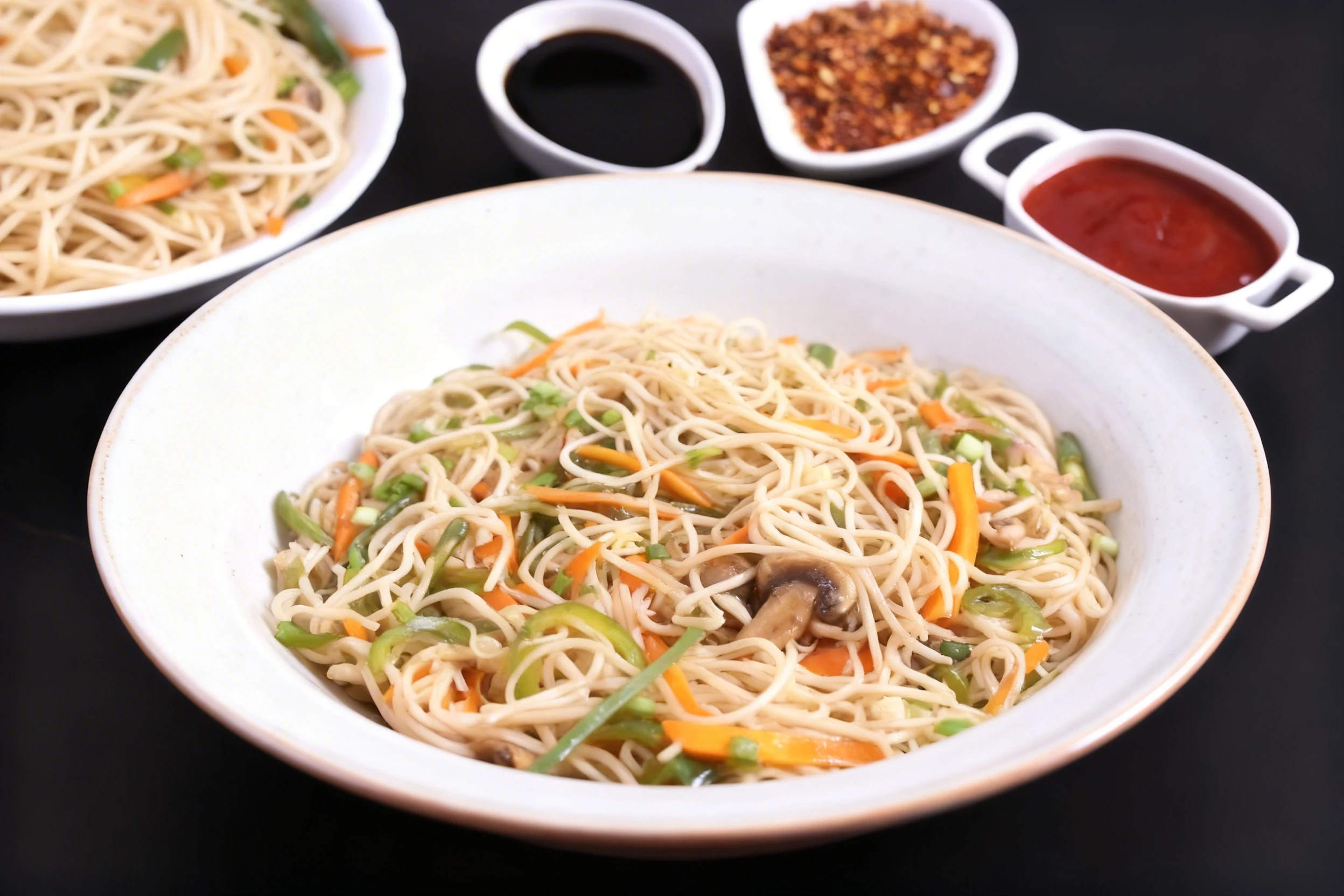
Noodles
20 examples
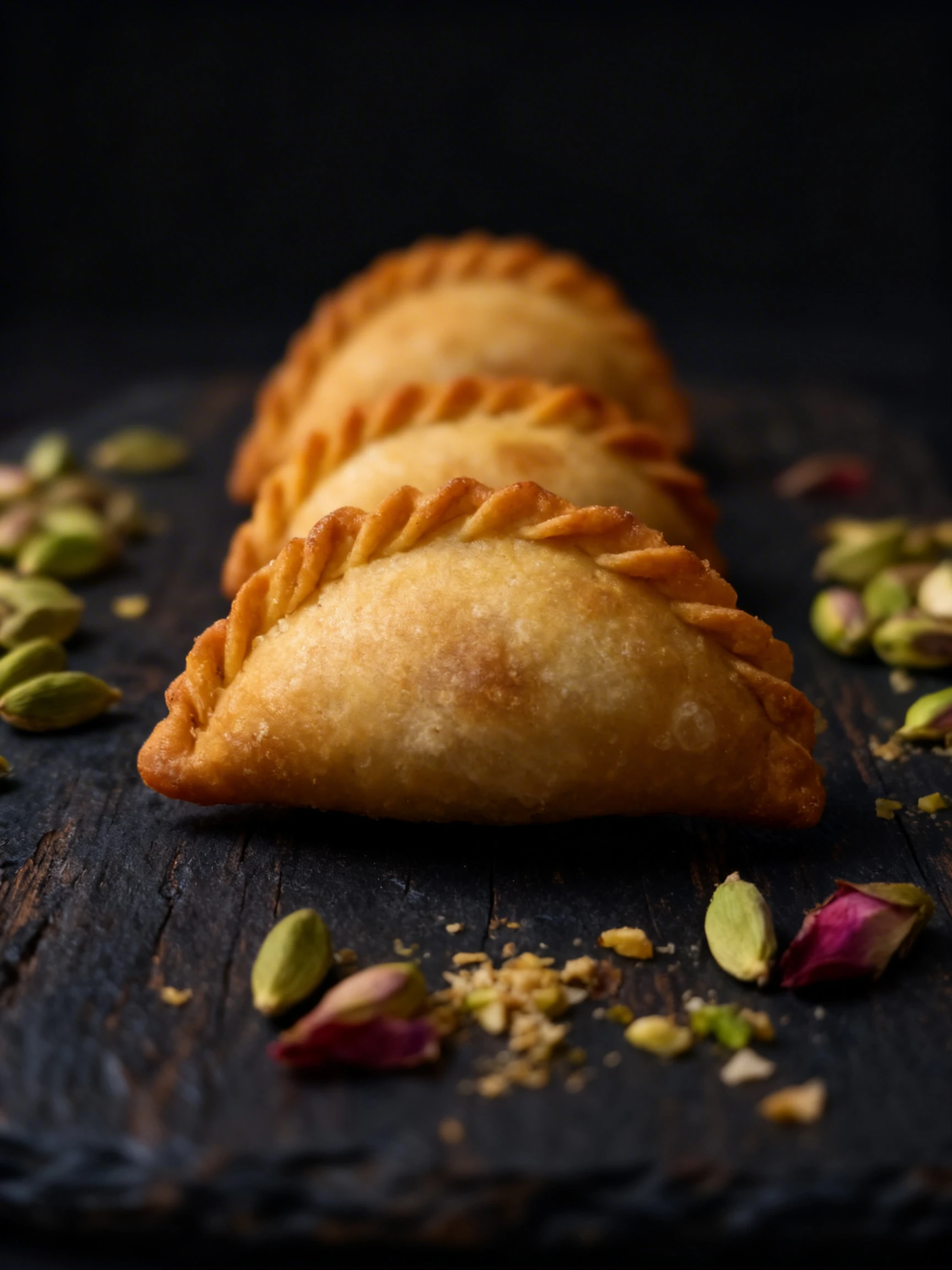
Dumplings
20 examples
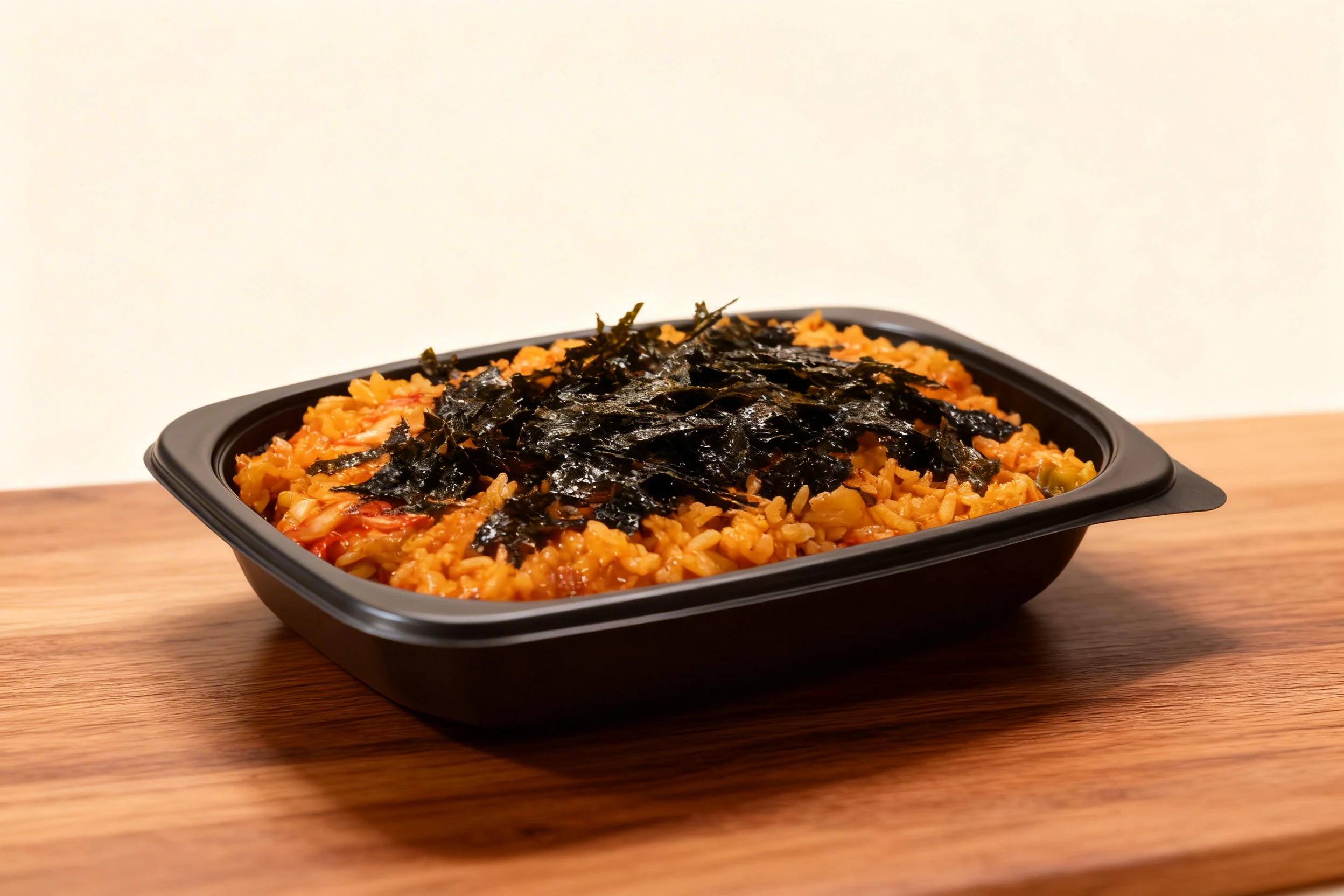
Fried Rice
20 examples
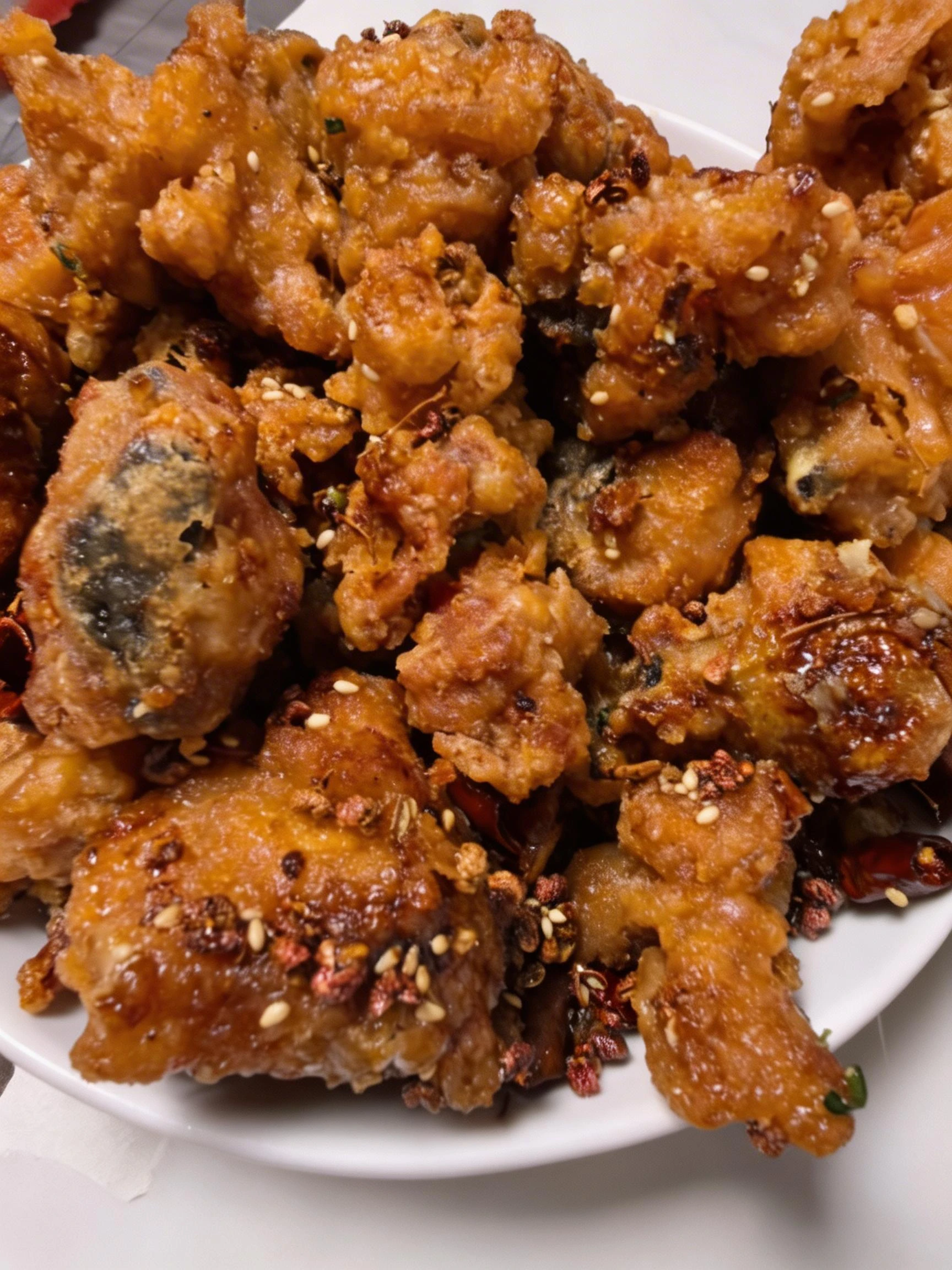
Stir Fry
20 examples
Chinese Food
9 examples
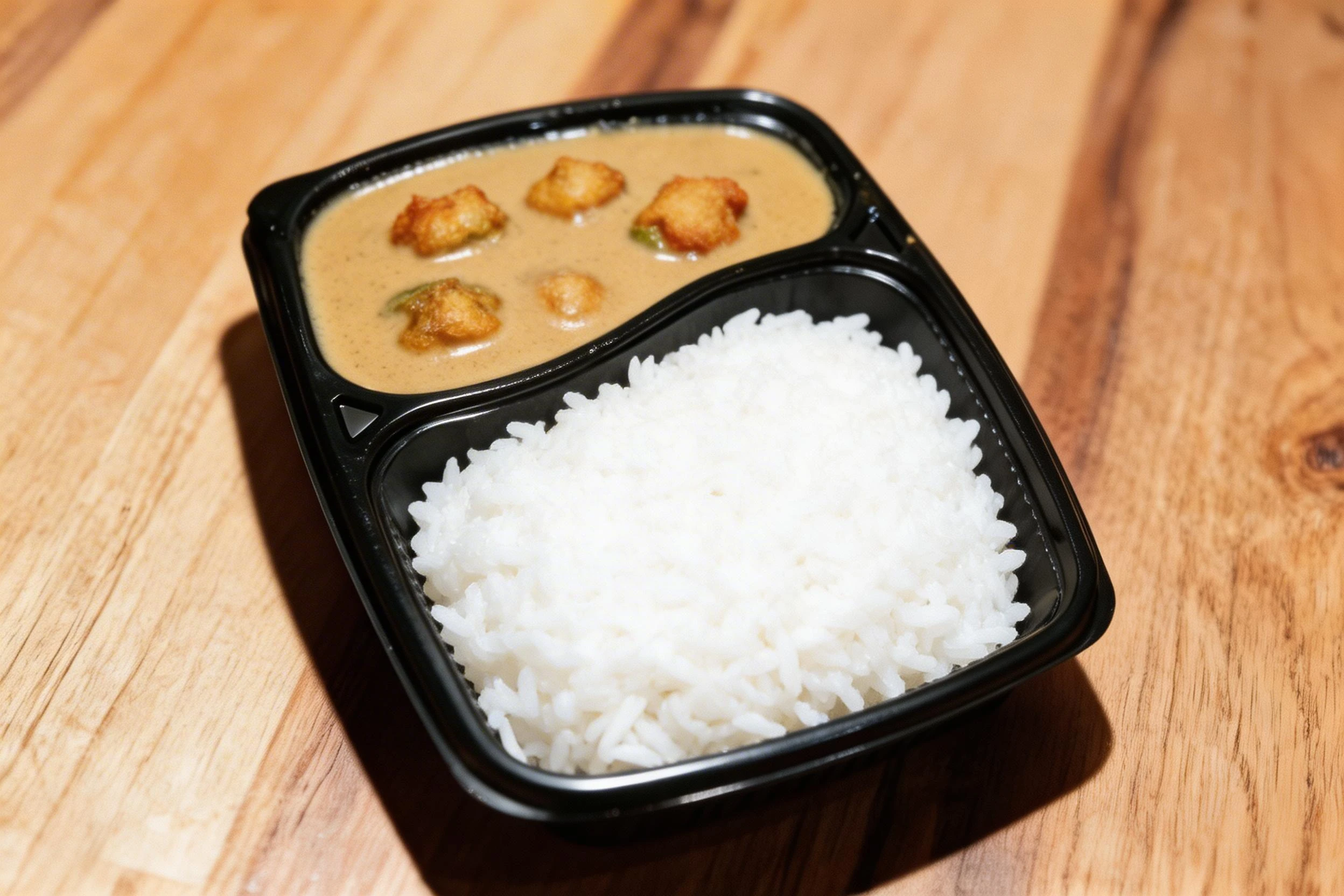
Takeout Food Photography
20 examples
Take your Chinese photos further with AI
Once you have a solid shot using the techniques above, MenuPhotoAI can handle the finishing work. Our AI removes distracting backgrounds, corrects exposure and white balance, and applies cuisine-appropriate color grading — turning a good smartphone photo into something you'd be proud to put on your menu or delivery app listing. Start with 5 free photos, no credit card required.
Frequently Asked Questions
Skip the photoshoot — enhance the chinese photos you already have
The techniques on this page take time to master. MenuPhotoAI applies the same lighting, color, and texture corrections — automatically — to the smartphone photos you already shot. Studio-quality results in 30 seconds.
Try free — 5 credits, no cardMore Cuisine Photography Guides
This guide reflects best practices for Chinese food photography as of 2026. Techniques may vary based on specific dishes, equipment, and shooting conditions. MenuPhotoAI is an AI food photo enhancement platform.