
Indian Food Photography Examples
20 real indian food photos from working restaurants — all enhanced by AI in under 30 seconds, not staged or AI-generated.
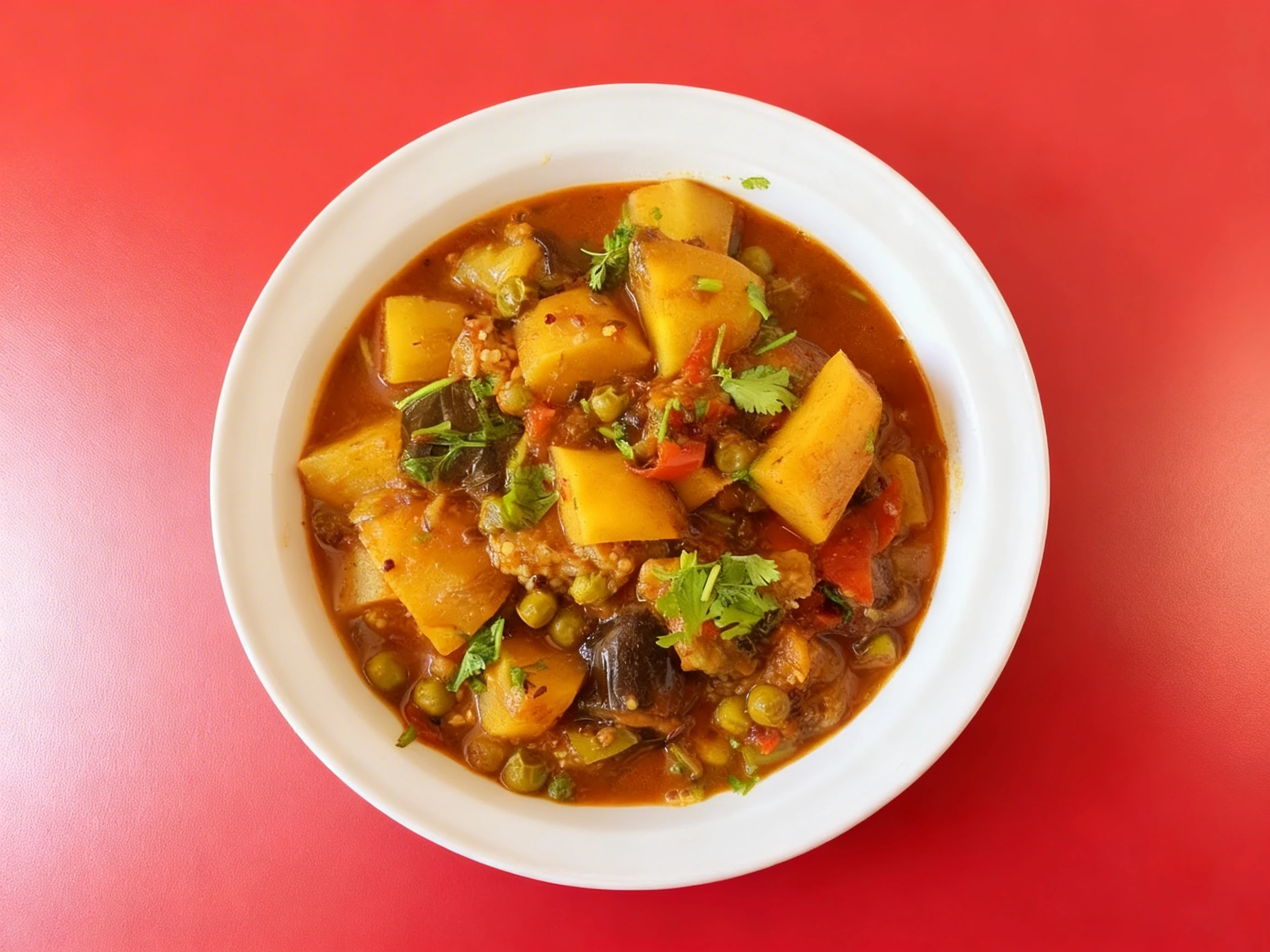
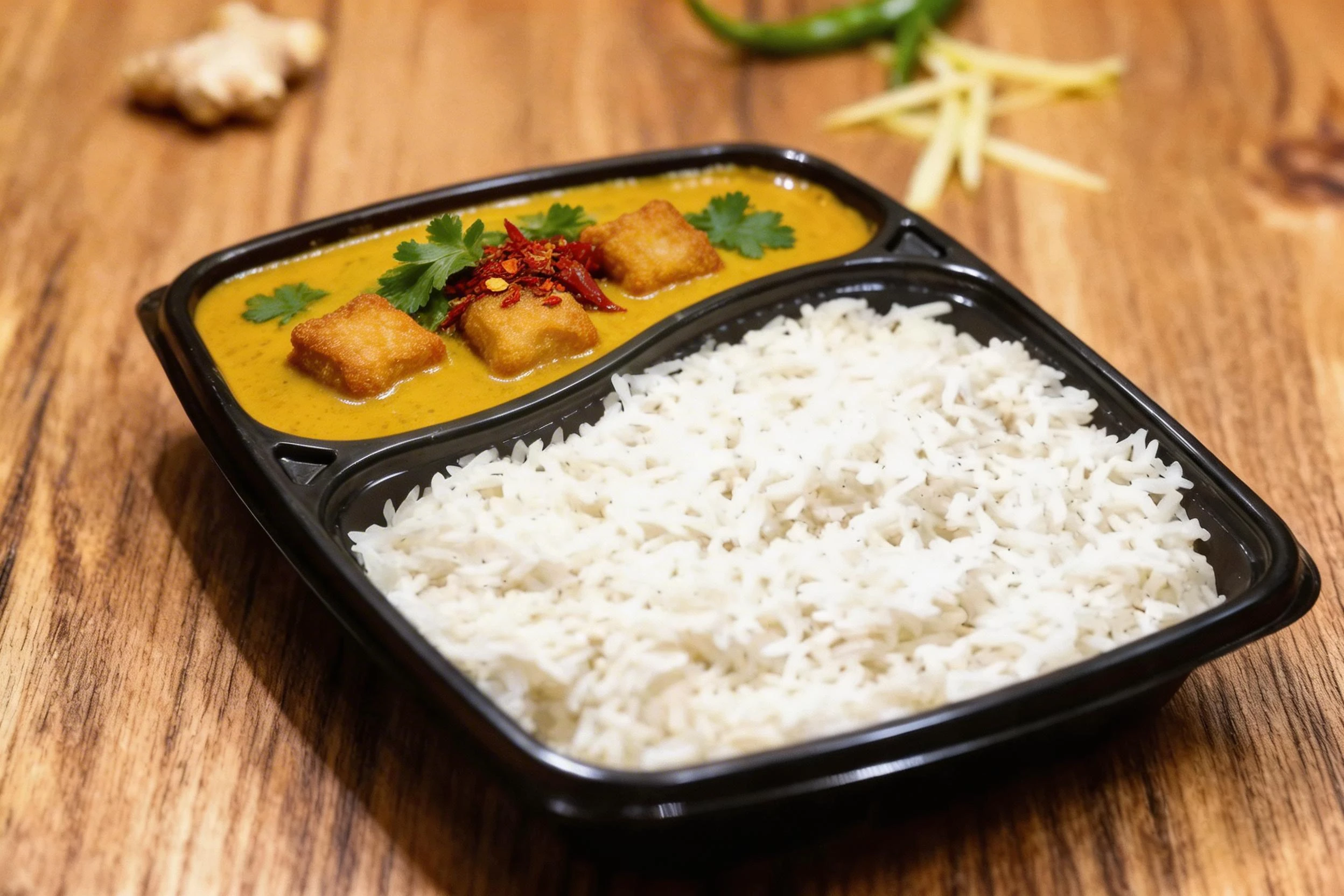
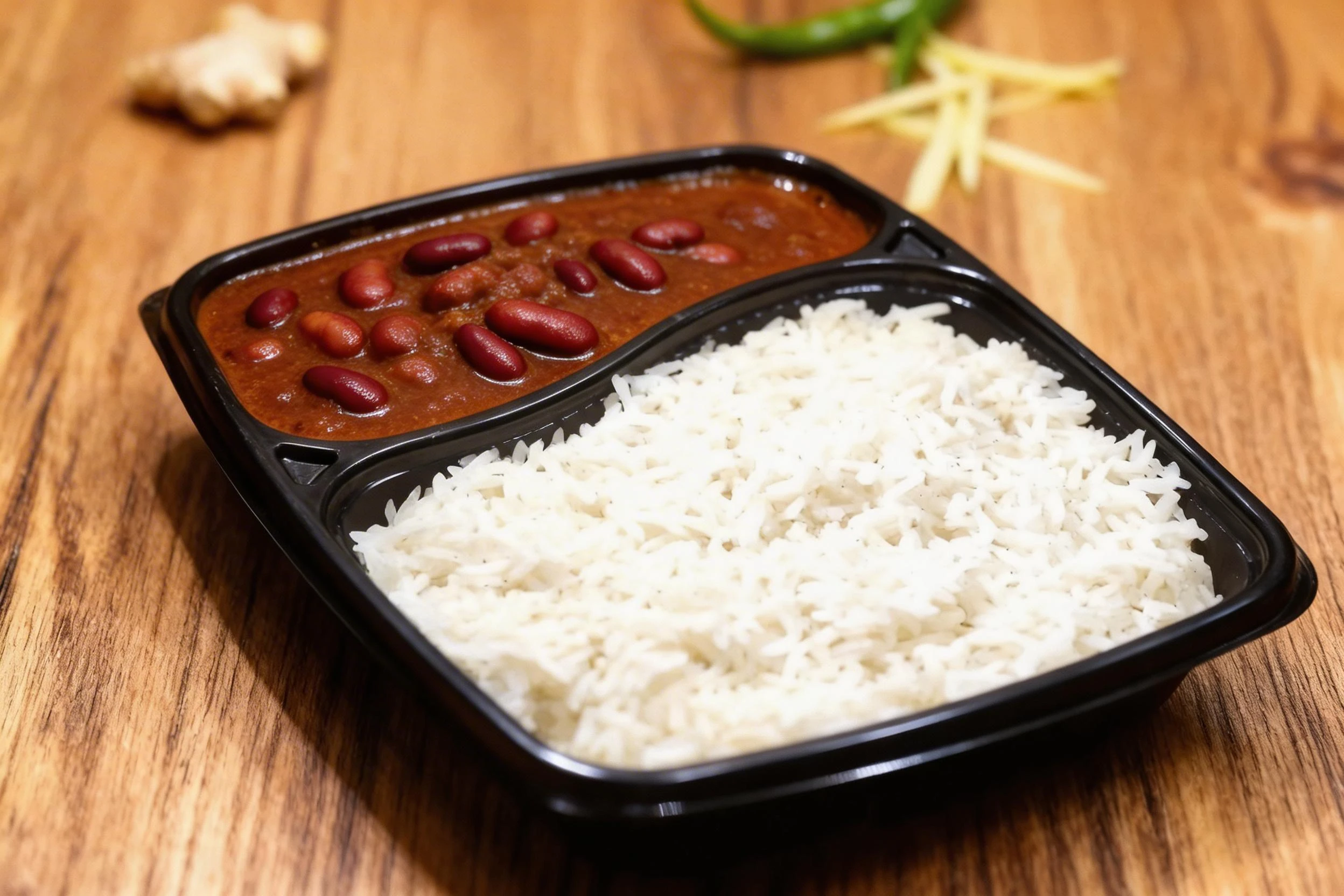
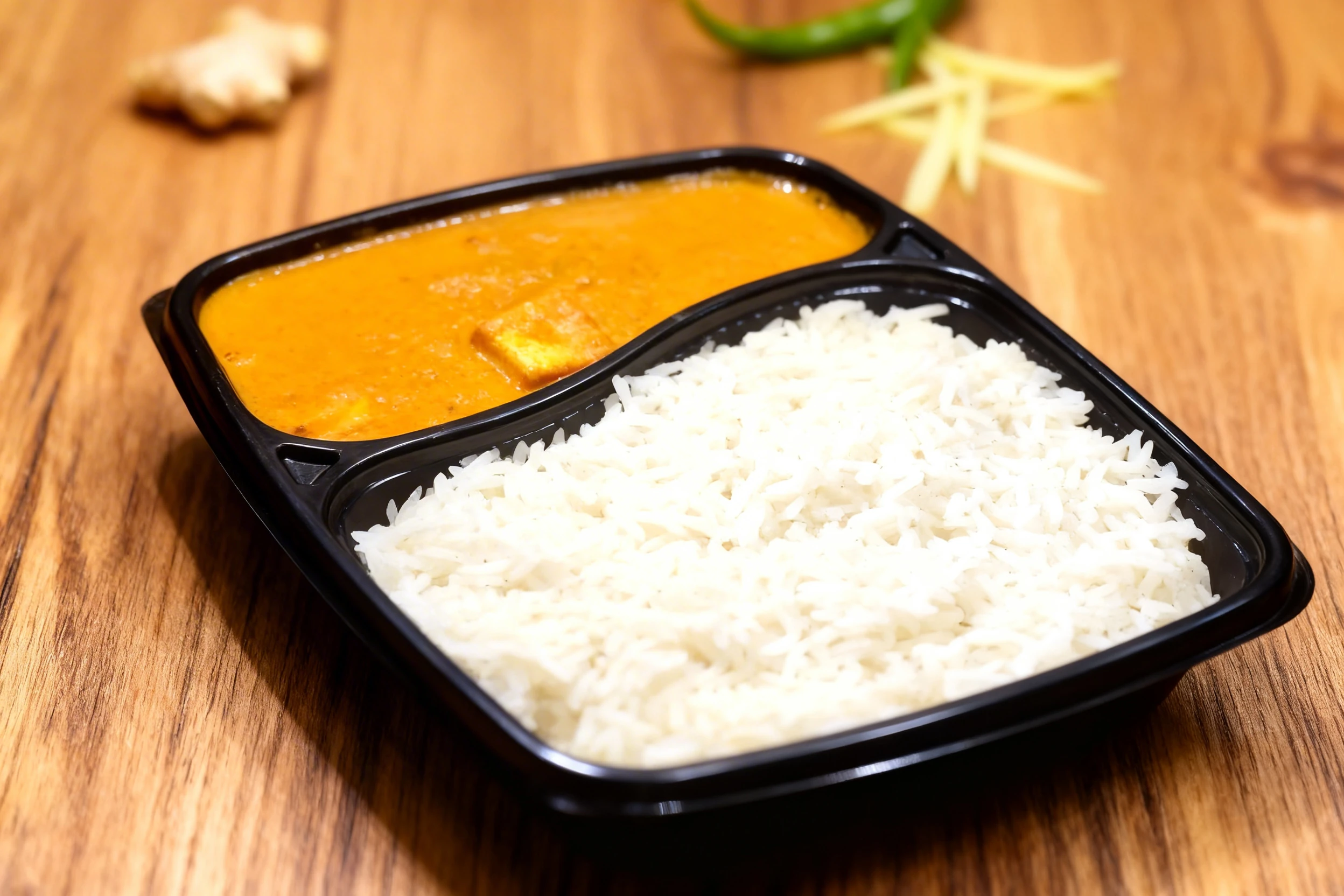
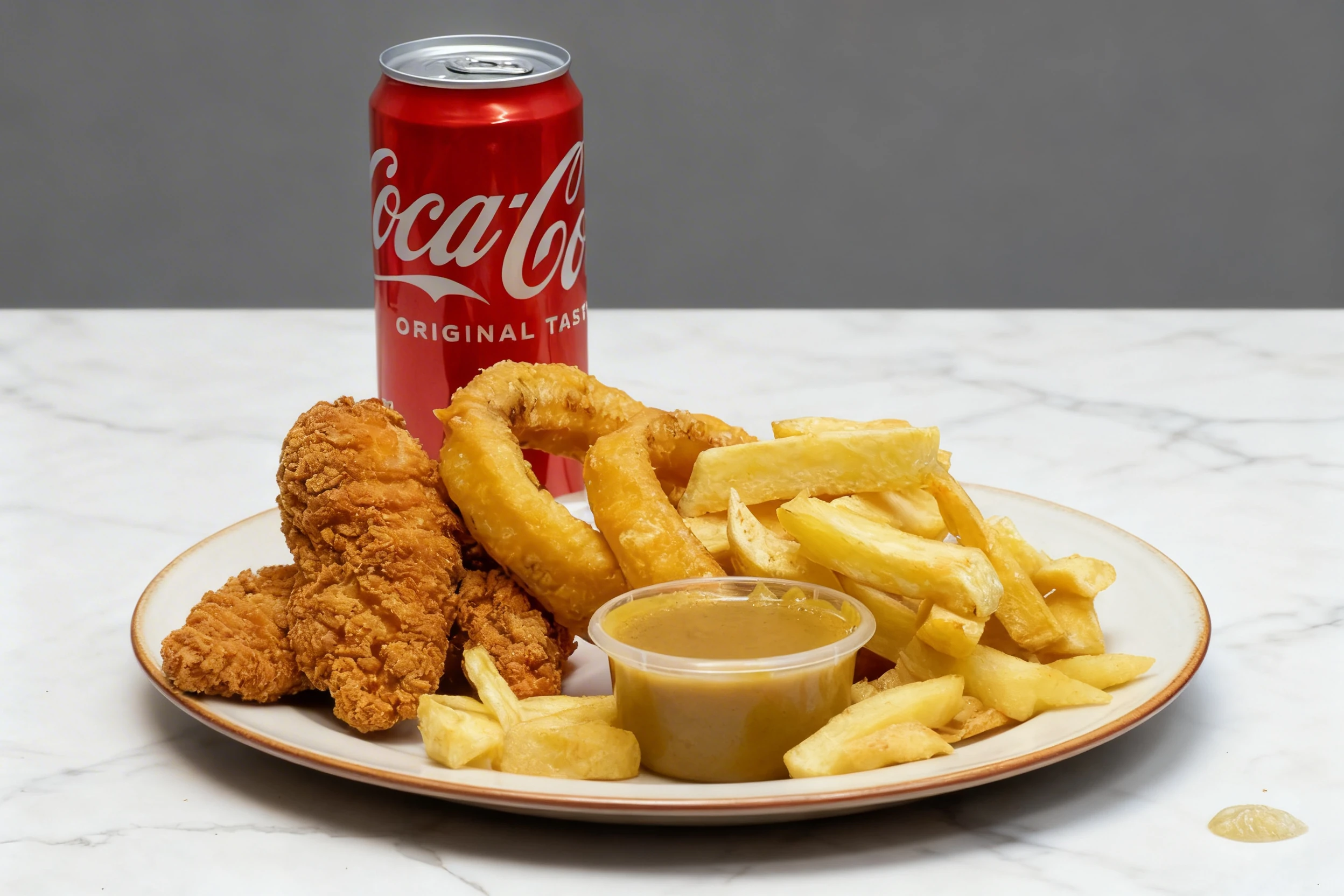
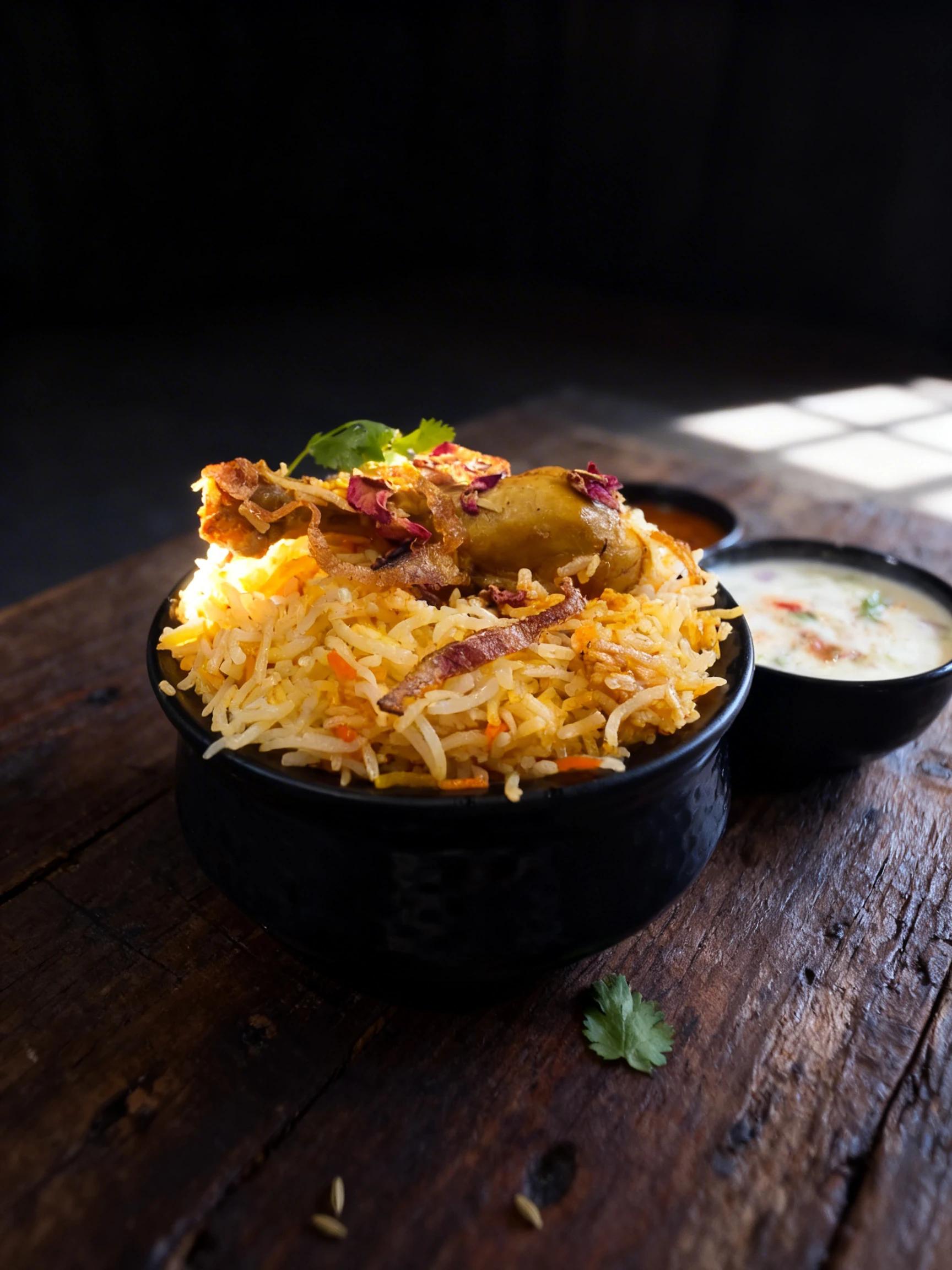
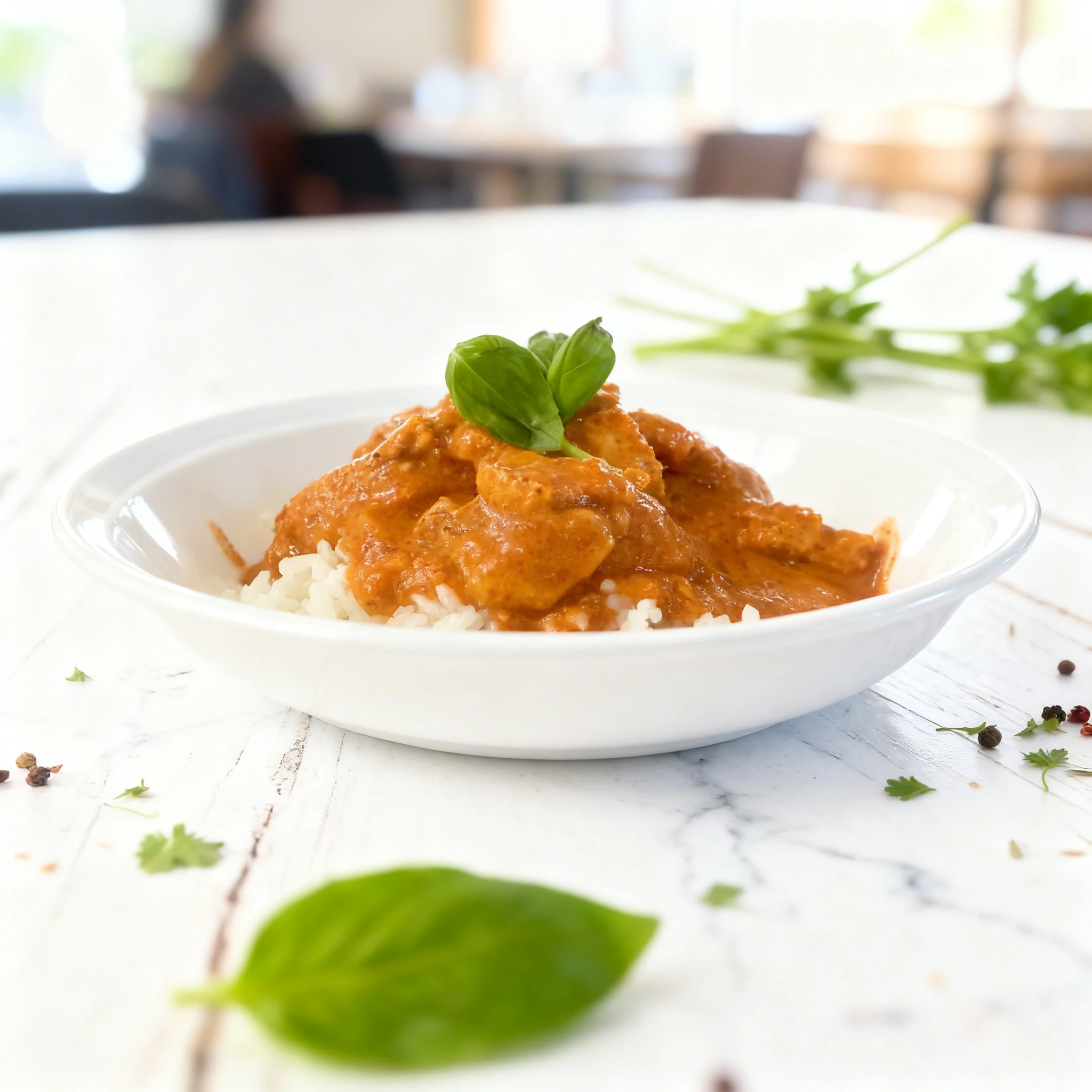
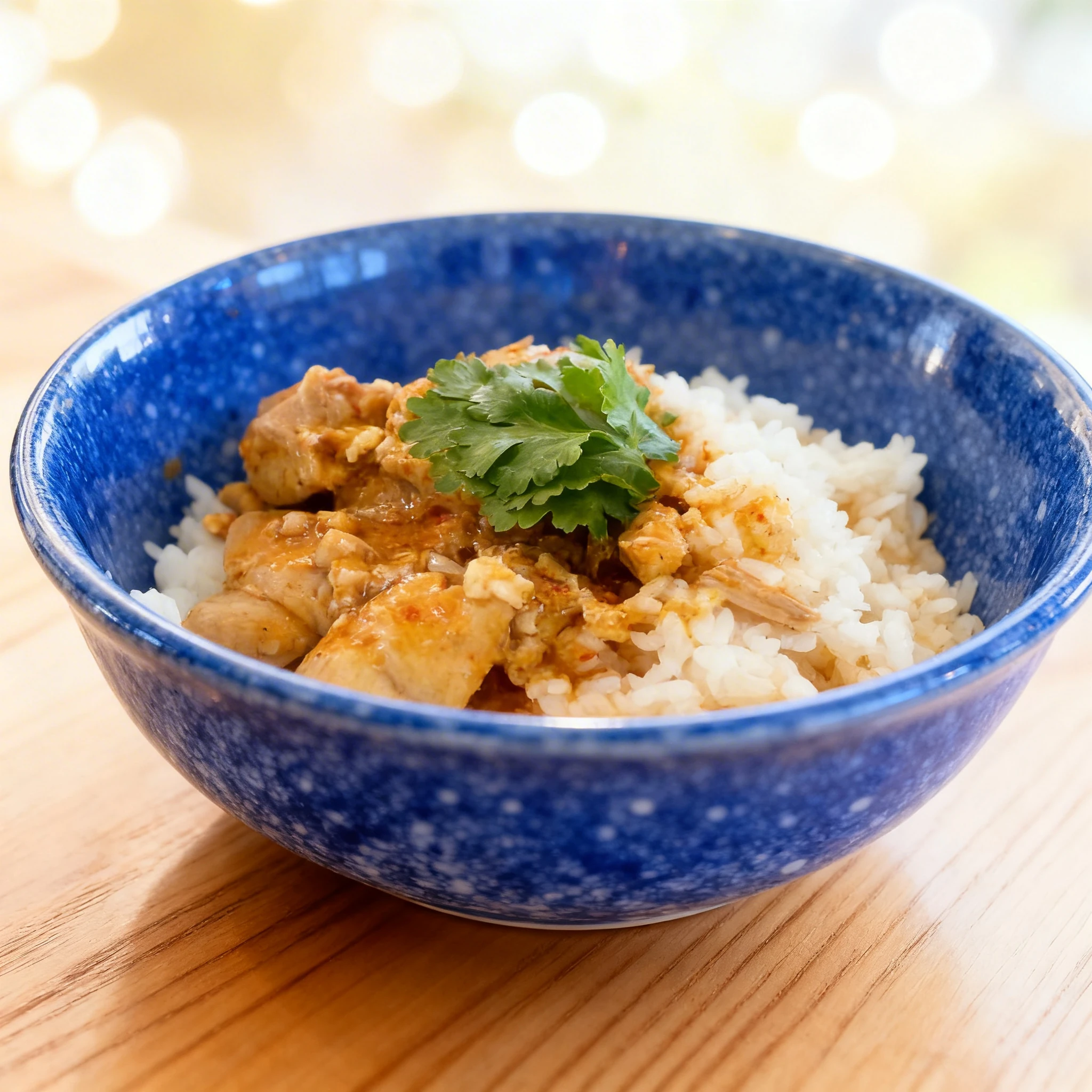
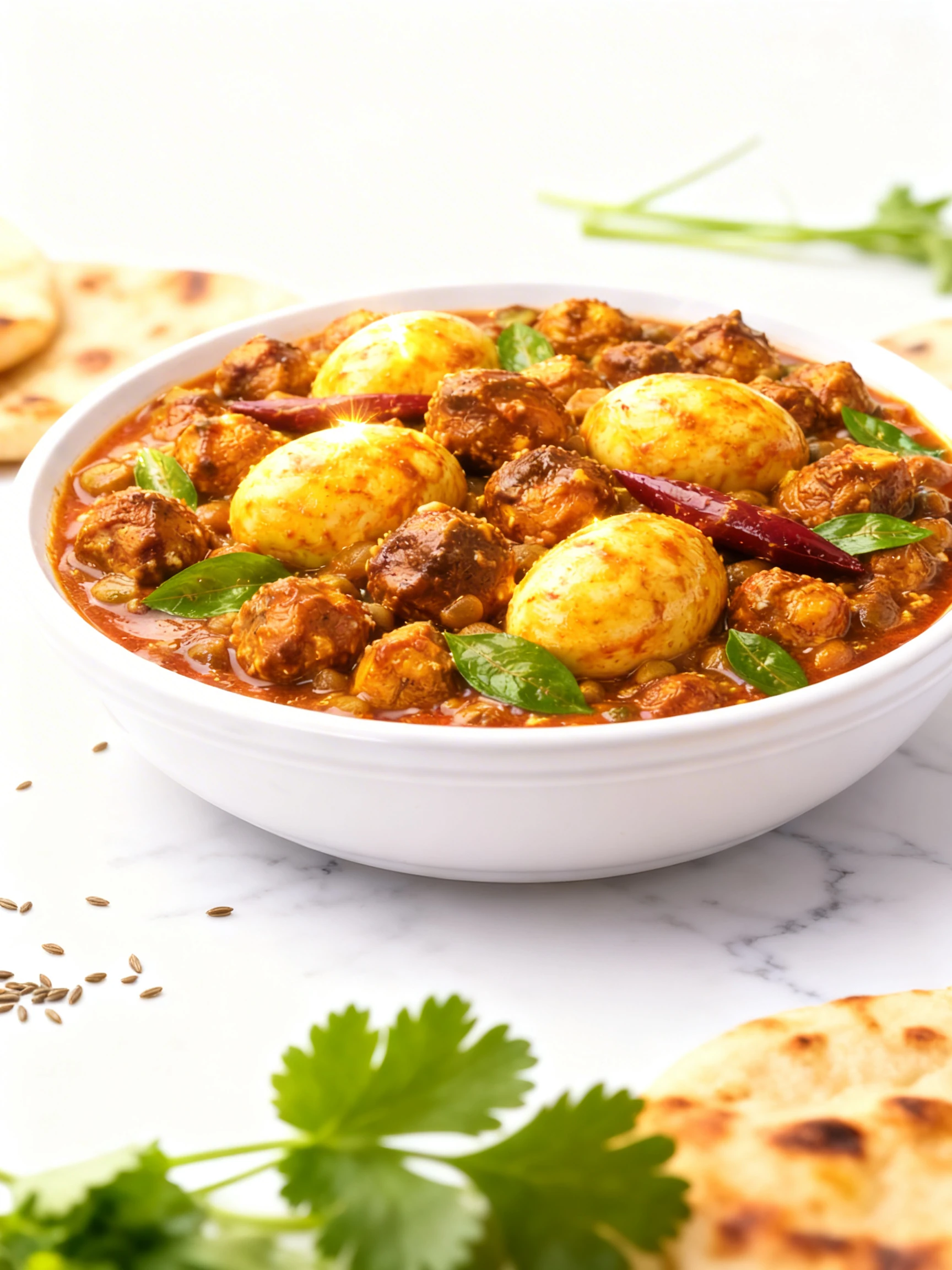
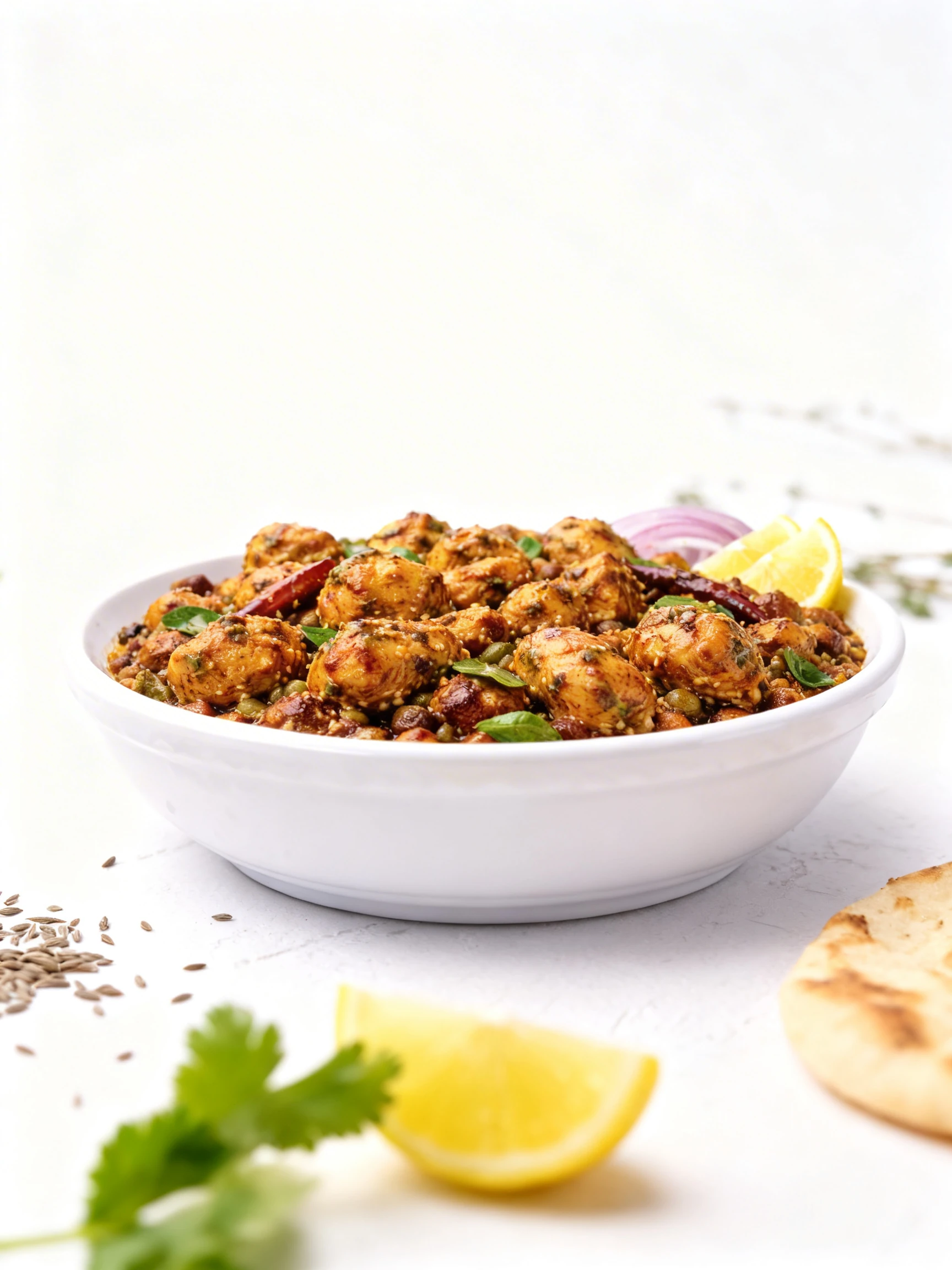
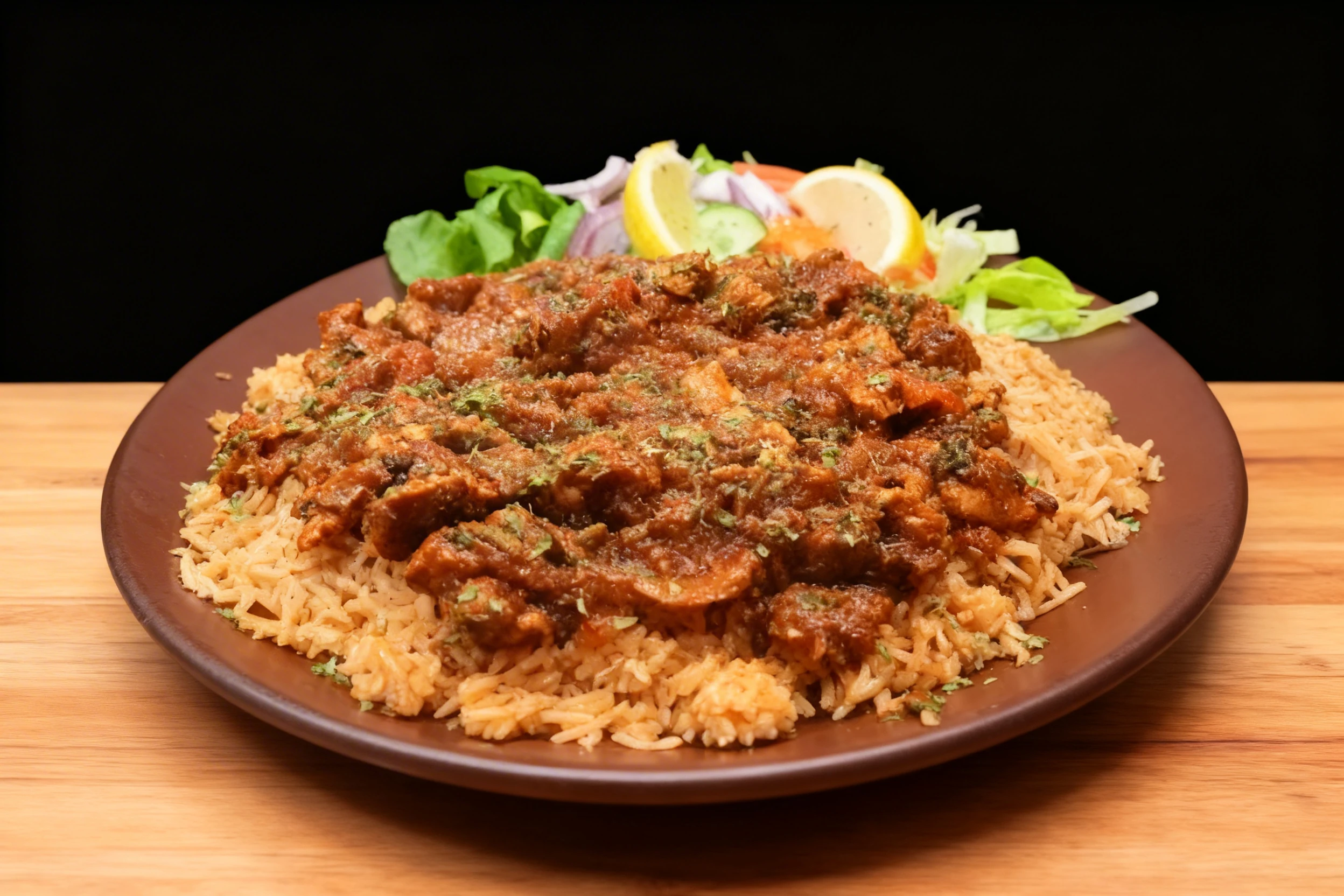
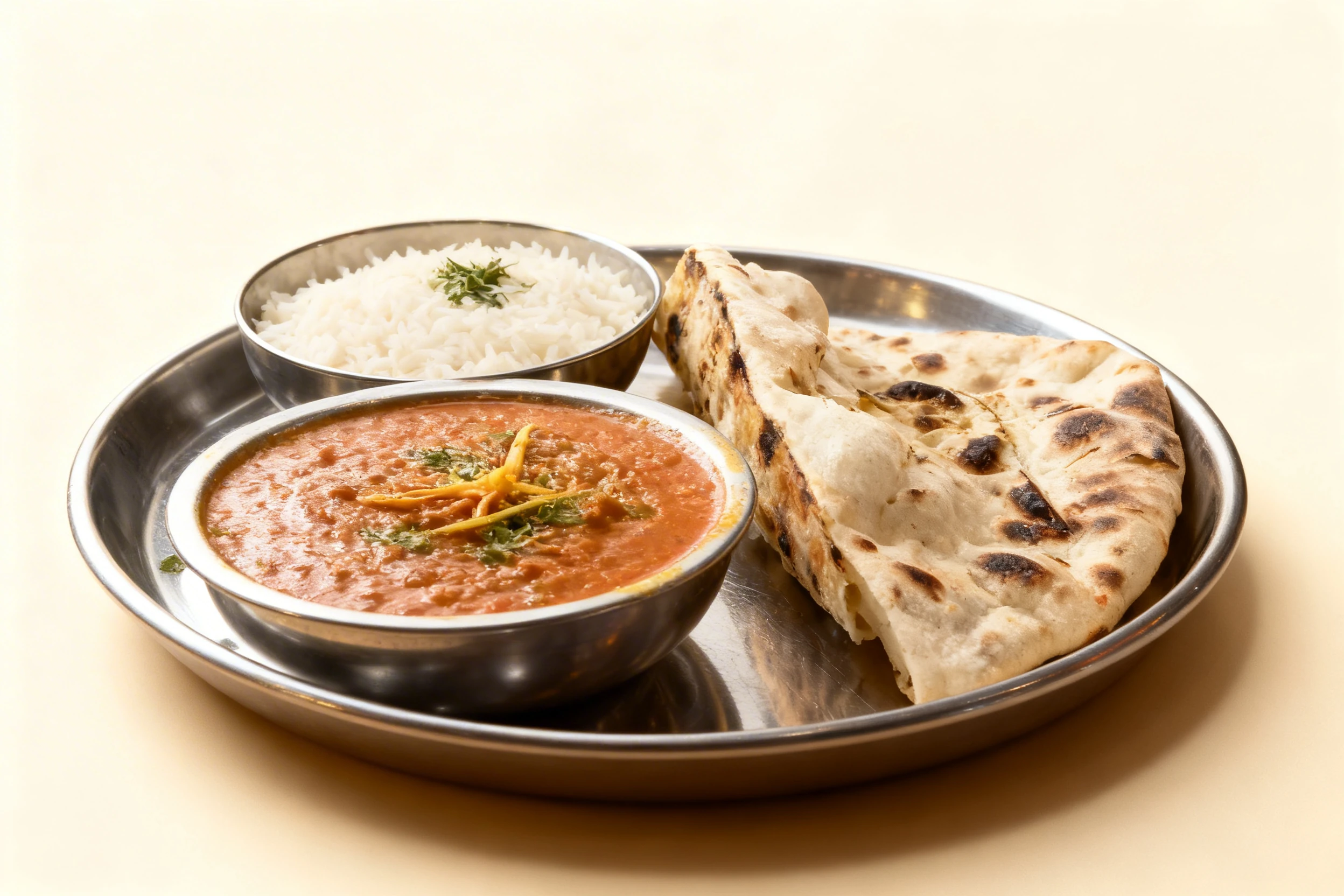
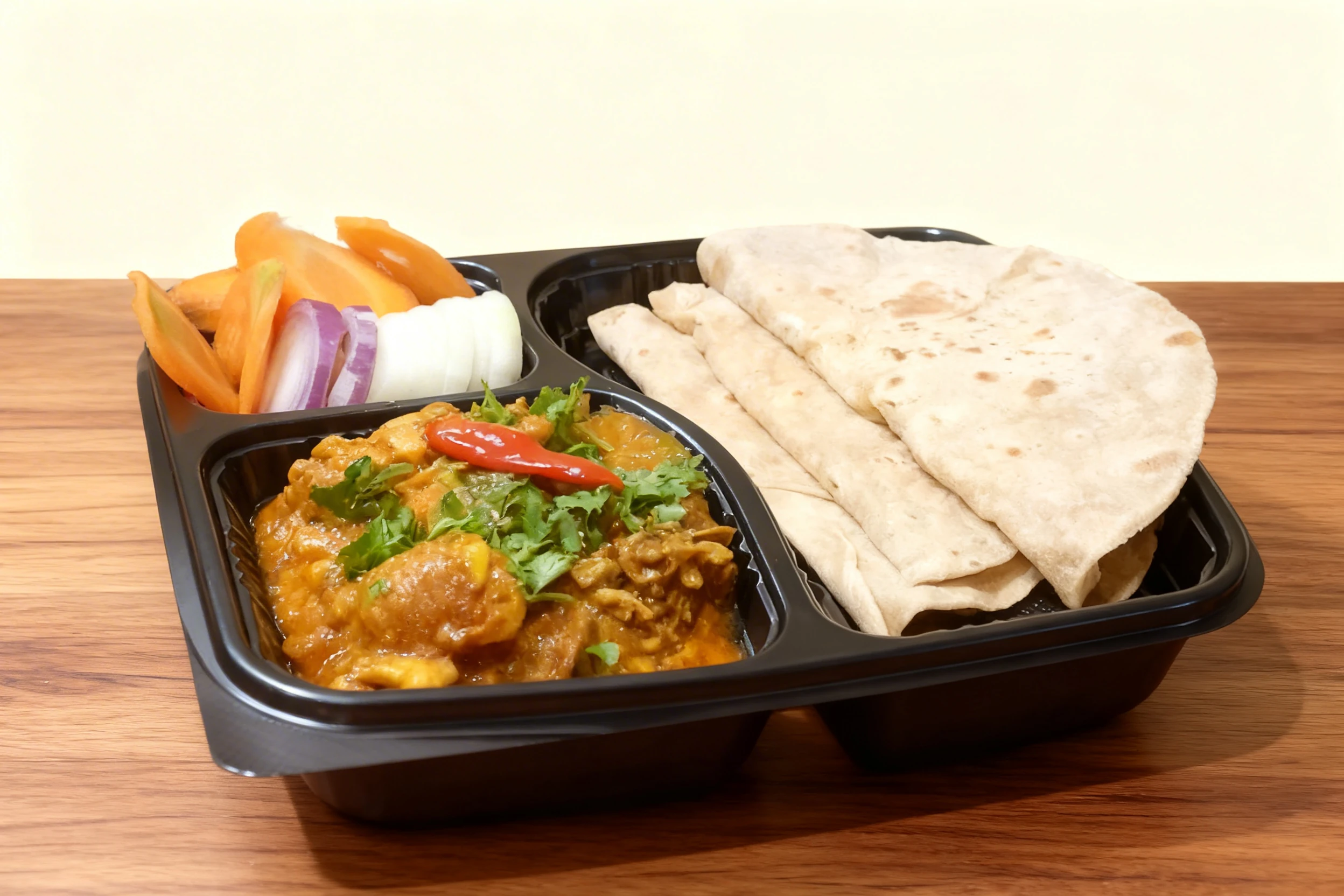
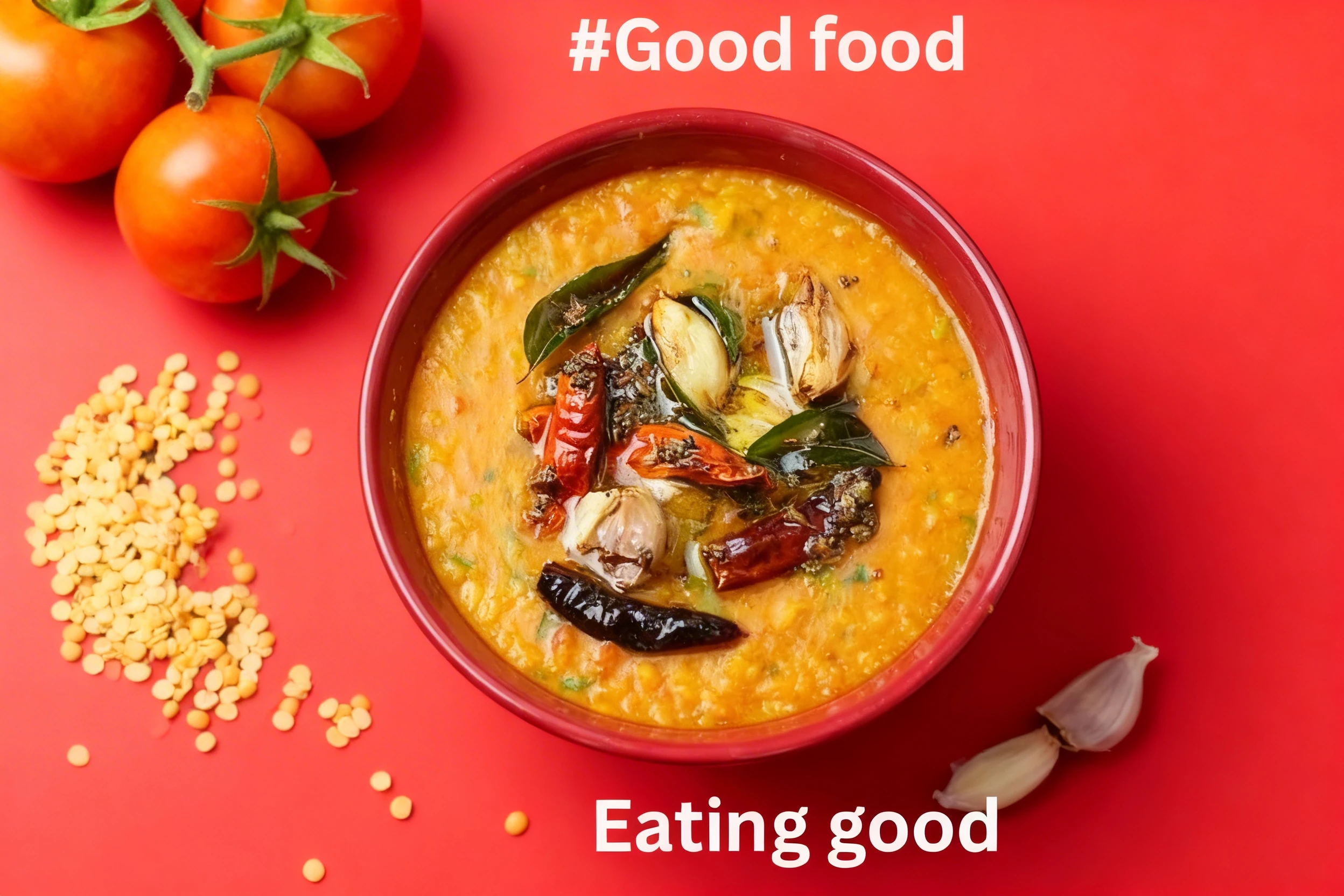
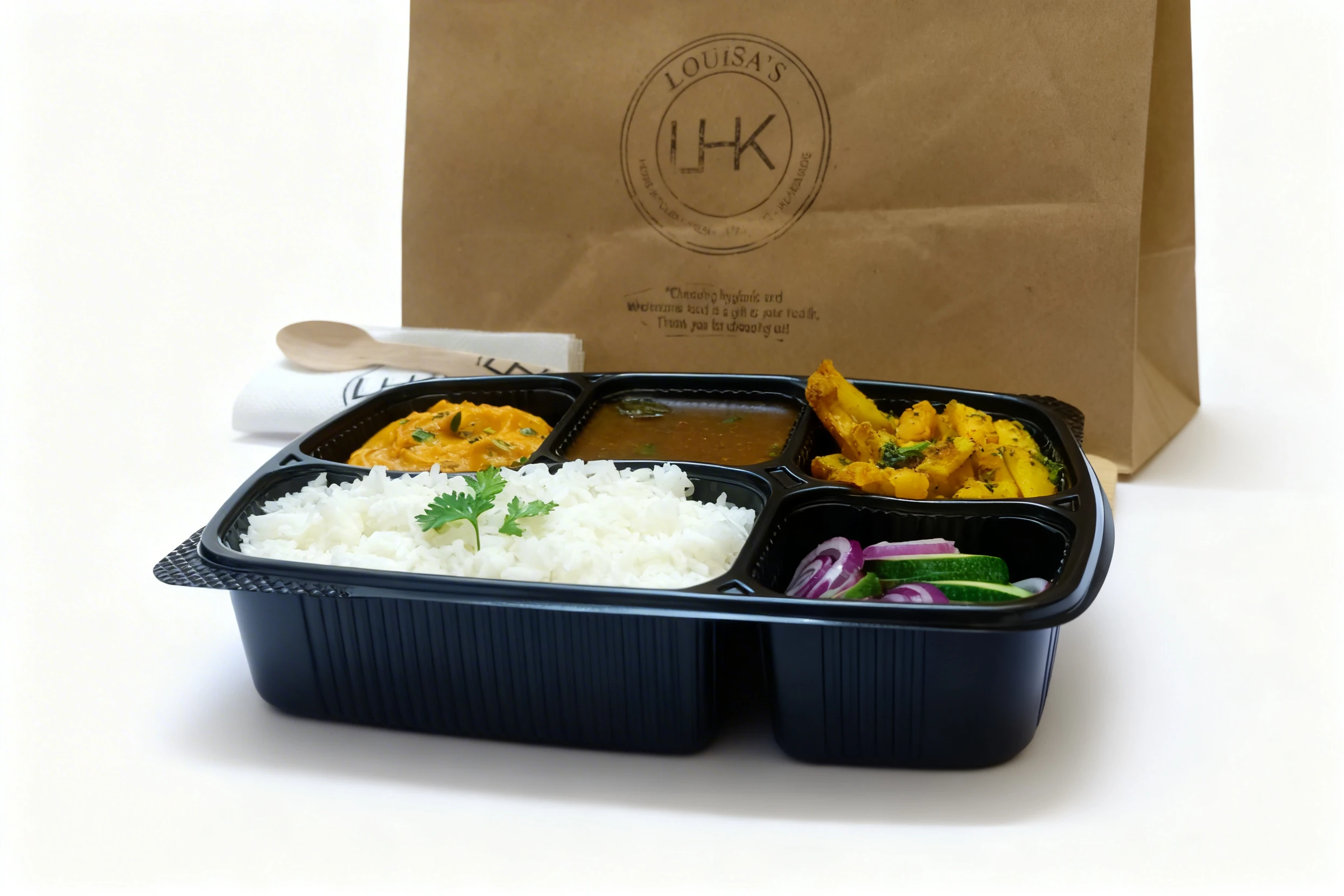
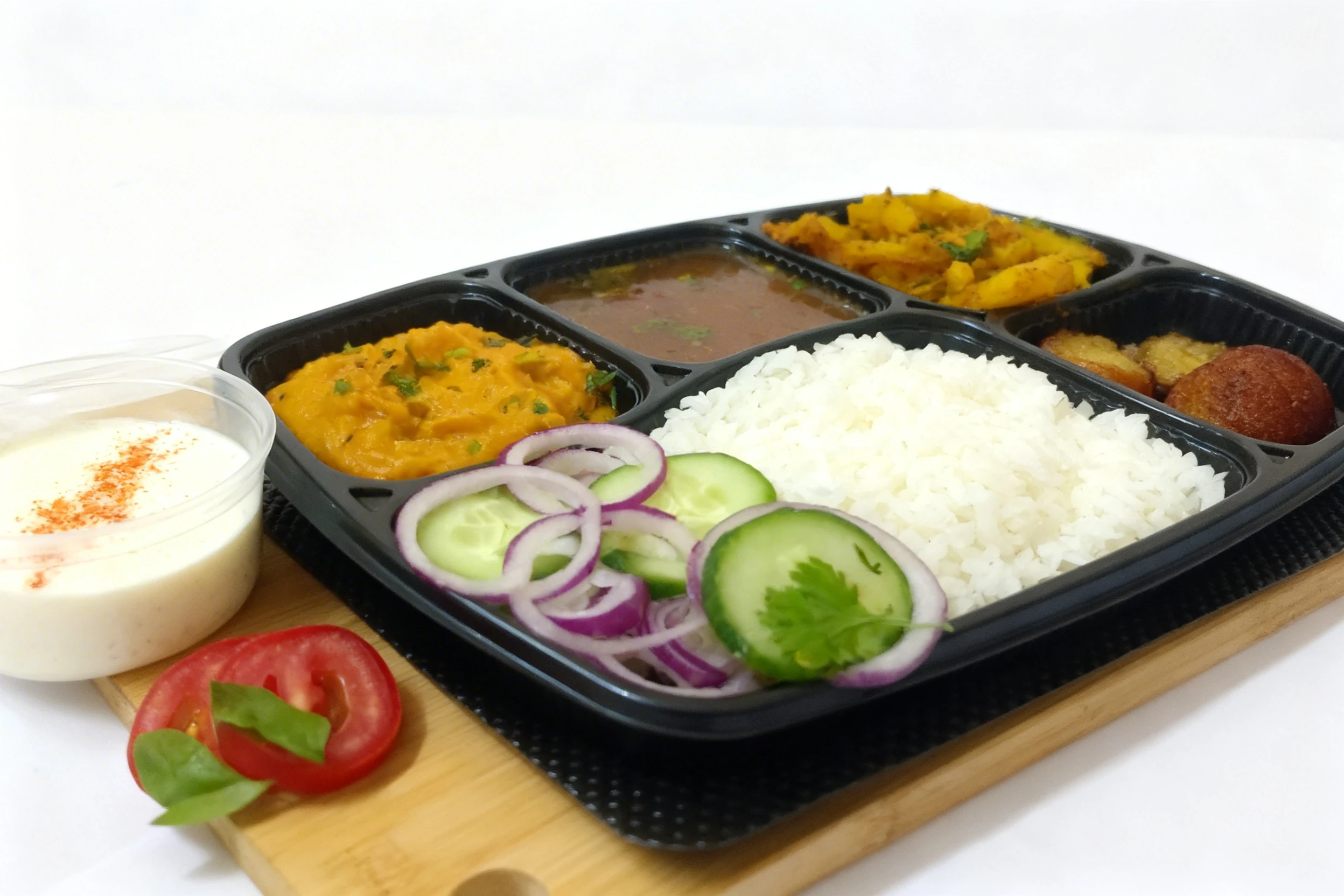
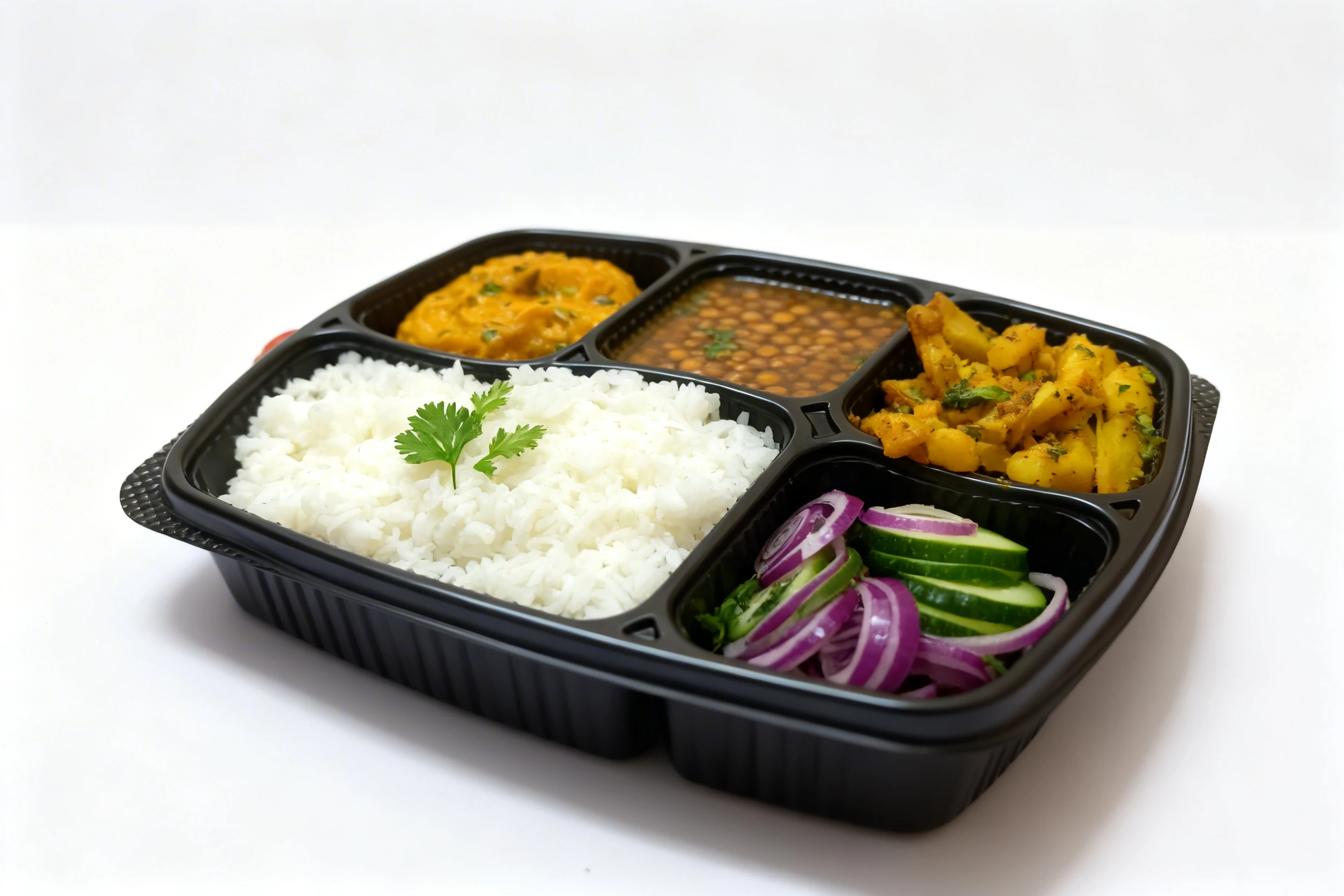
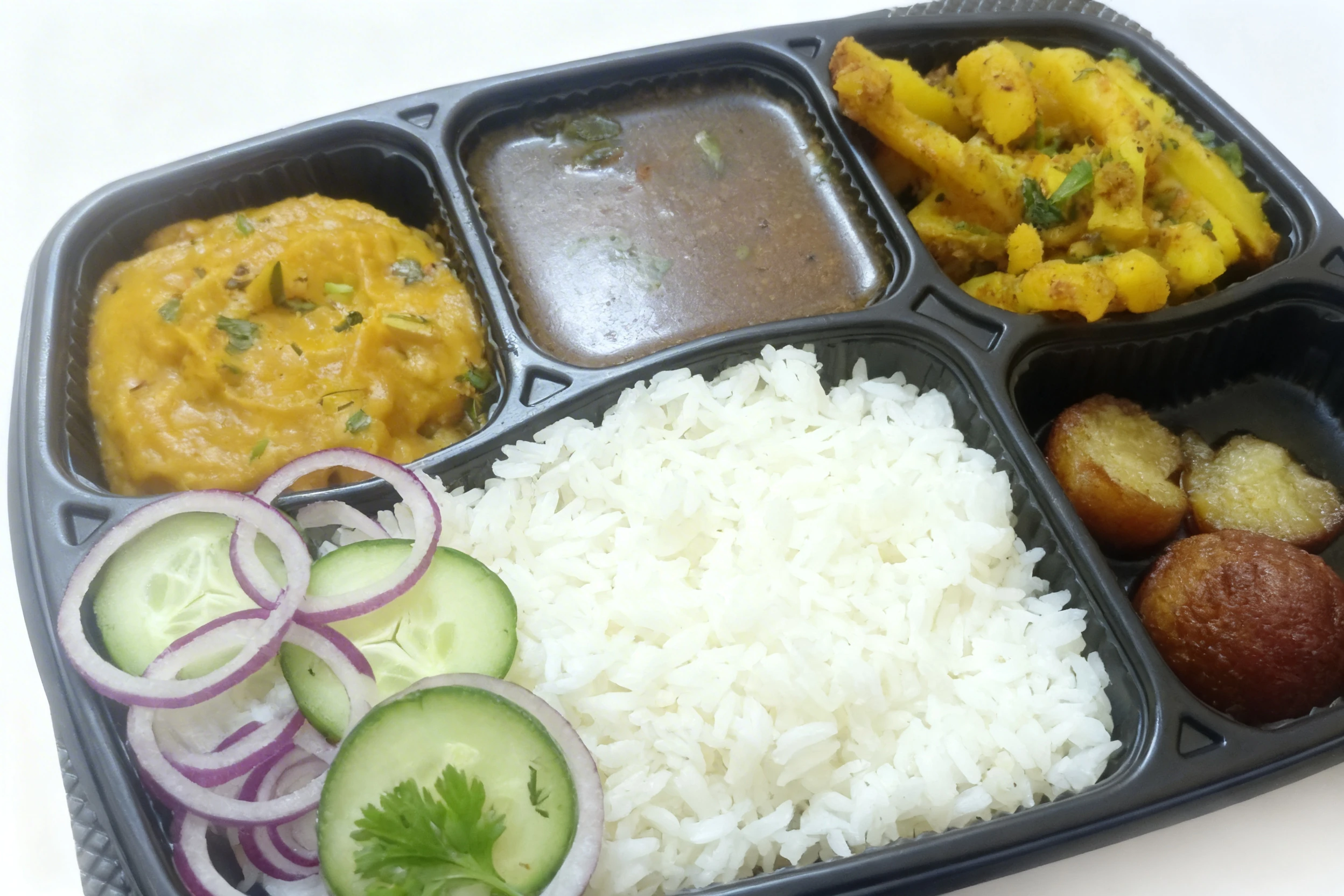
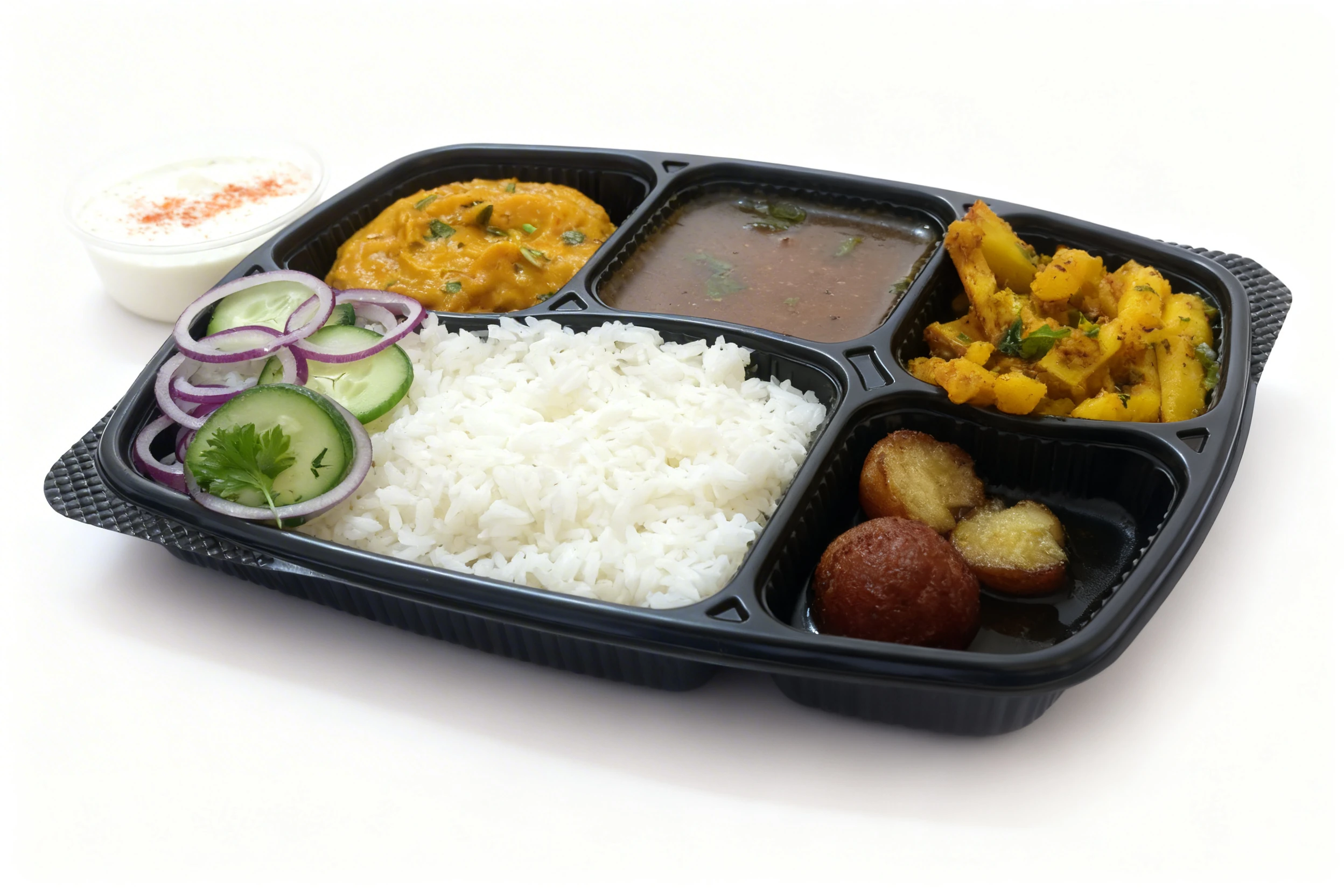
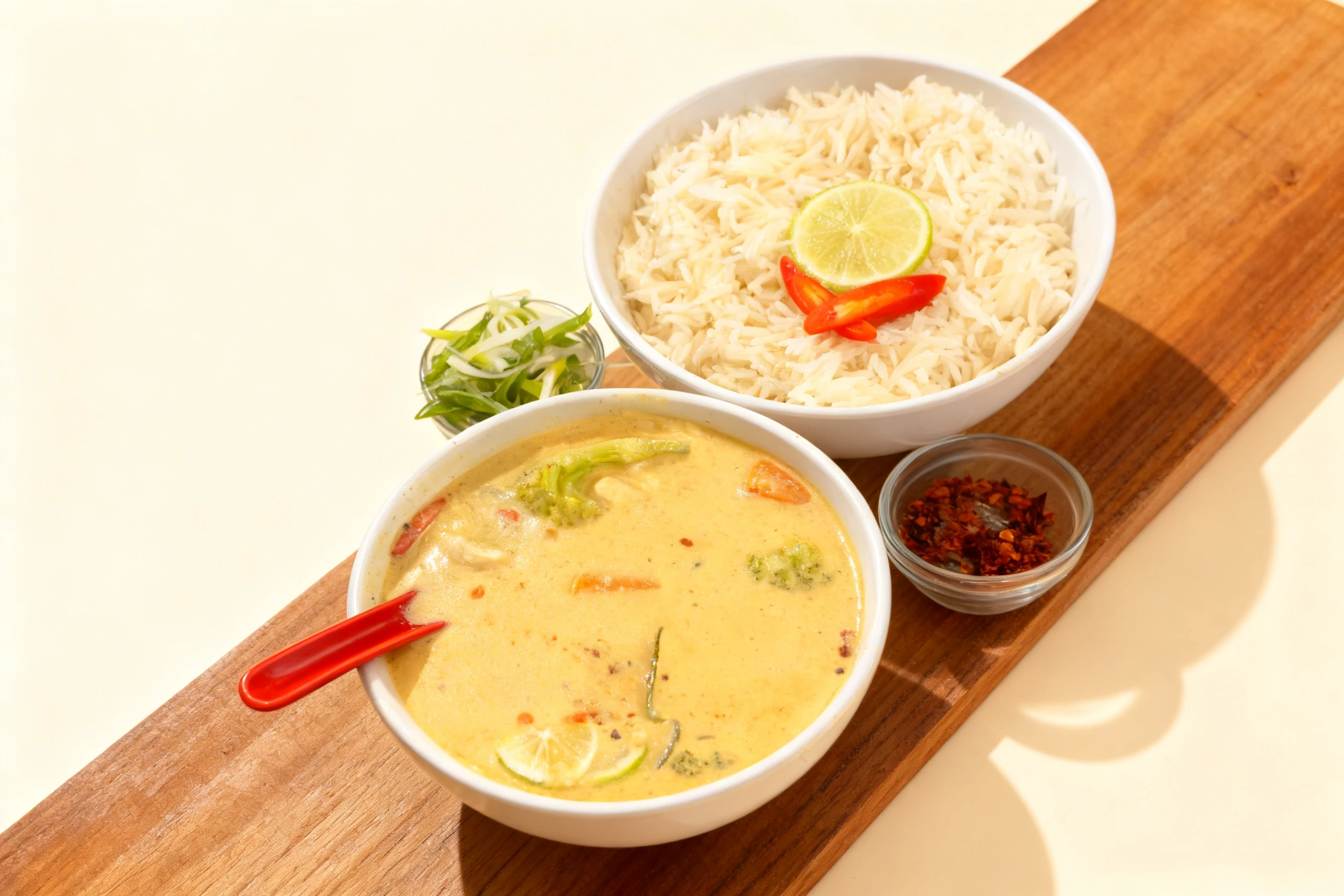
Get results like these for your restaurant
Upload your food photos and get studio-quality results in under 30 seconds. No photography skills needed.
Trusted by restaurants worldwide
“Our Uber Eats orders went up 35% after we updated all our menu photos with MenuPhotoAI. The difference is night and day.”
Maria R.
Owner, Italian Bistro
“We used to pay $800 per photoshoot. Now we spend $39/month and update photos whenever we change the menu. Incredible ROI.”
James C.
Head Chef, Asian Fusion
“Customers tell us they chose our restaurant over competitors because the food photos looked more appetizing. Game changer.”
Sarah T.
Manager, Farm-to-Table
Indian Food Photography Tips
Capture sauce gloss immediately
Curries, gravies, and oil-based sauces are glossy and appetizing for 3-4 minutes before cooling and oxidation cause a dull film. Plate and shoot within this window.
45-degree angle for layered components
Indian dishes with rice, meat, and sauce are better shown at 45 degrees to reveal layers and composition rather than a flat overhead view.
Backlight ghee and oil richness
Light from behind shows the translucent sheen of ghee, oil, and rich sauce. This visual proof of quality and fat content conveys luxury.
More food photography examples
Frequently Asked Questions
What is the best angle to photograph indian food?+
Indian Food dishes vary by format: noodles, soups, and curries shoot best at 30 to 45 degrees so you can see both the broth surface and the chunky ingredients beneath; stacked or grilled items go to eye level; small plates and rice bowls often look strongest overhead.
What is the hardest part of indian food photography?+
Composing a thali with eight or more bowls while managing oil sheen on curries and saffron color accuracy under artificial light. Working fast — and pre-setting your frame, lighting, and props before the dish leaves the kitchen — is what separates restaurant photos that look professional from ones that look like phone snaps. Our Indian photography guide covers the full workflow.
What kind of lighting works best for indian food photos?+
Diffused overhead natural light for thali layouts; side window light for single dishes. Direct overhead flash flattens the surface gloss that makes food look fresh, so use a single soft directional source — natural window light or a softbox — and bounce the opposite side with a white card. The closer the light is to the dish, the softer and more flattering it looks.
What is one styling tip for indian food that most restaurants miss?+
Capture sauce gloss immediately: Curries, gravies, and oil-based sauces are glossy and appetizing for 3-4 minutes before cooling and oxidation cause a dull film. Plate and shoot within this window.
How much does professional indian food photography cost?+
A traditional photo shoot for indian food typically runs $150 to $500 per image when you factor in the photographer, food stylist, props, and editing. AI enhancement tools like MenuPhotoAI start at $0 with 5 free credits and continue at $39/month for 25 photos — making restaurant-grade indian food photos accessible to any kitchen. Browse the 20 indian food examples on this page — every image was originally a phone photo.
Make your indian food photos look like these
Upload one photo and see the result in 30 seconds. 5 free credits, no credit card needed.
Get Started FreeReal results from MenuPhotoAI users. Individual results may vary based on original photo quality.